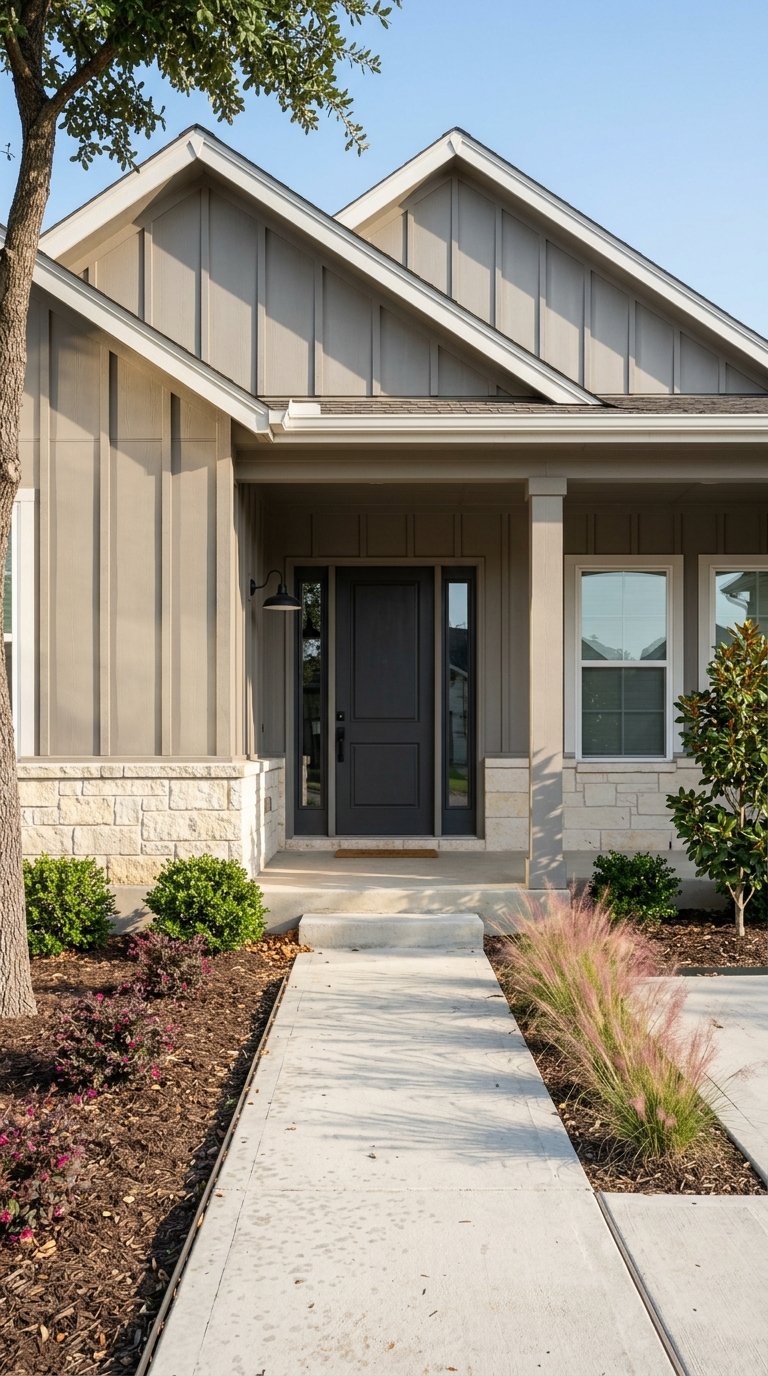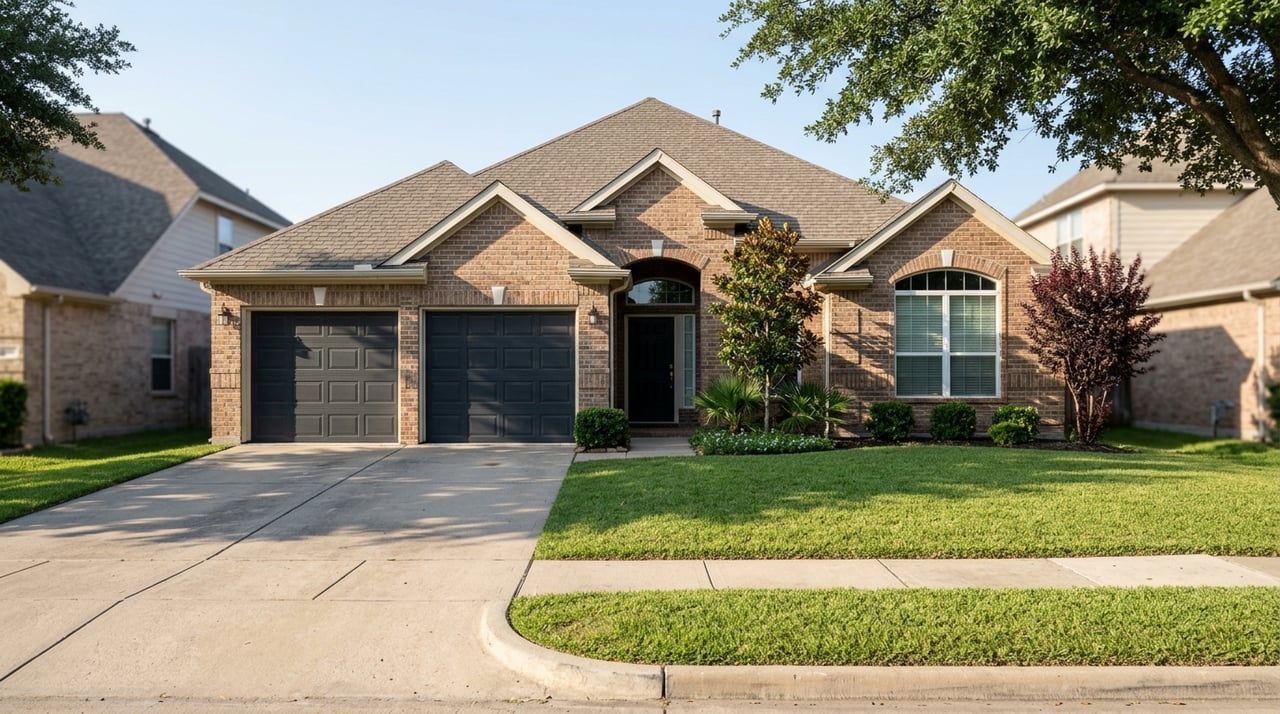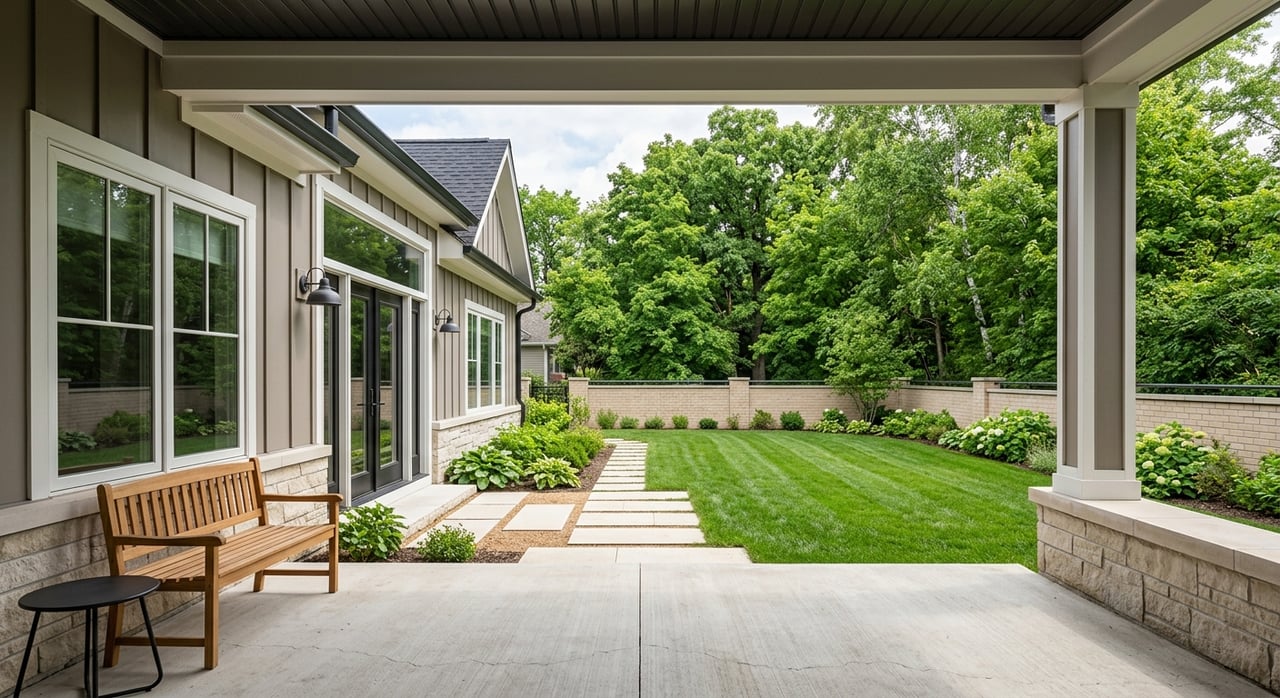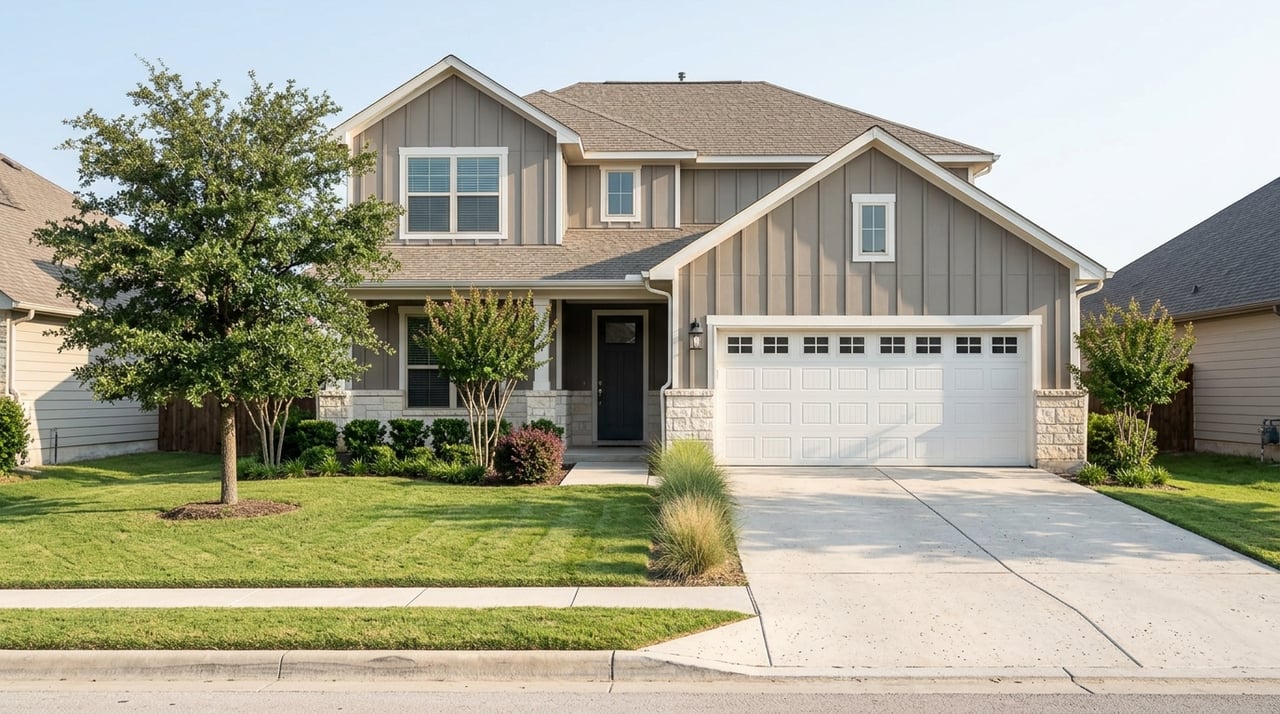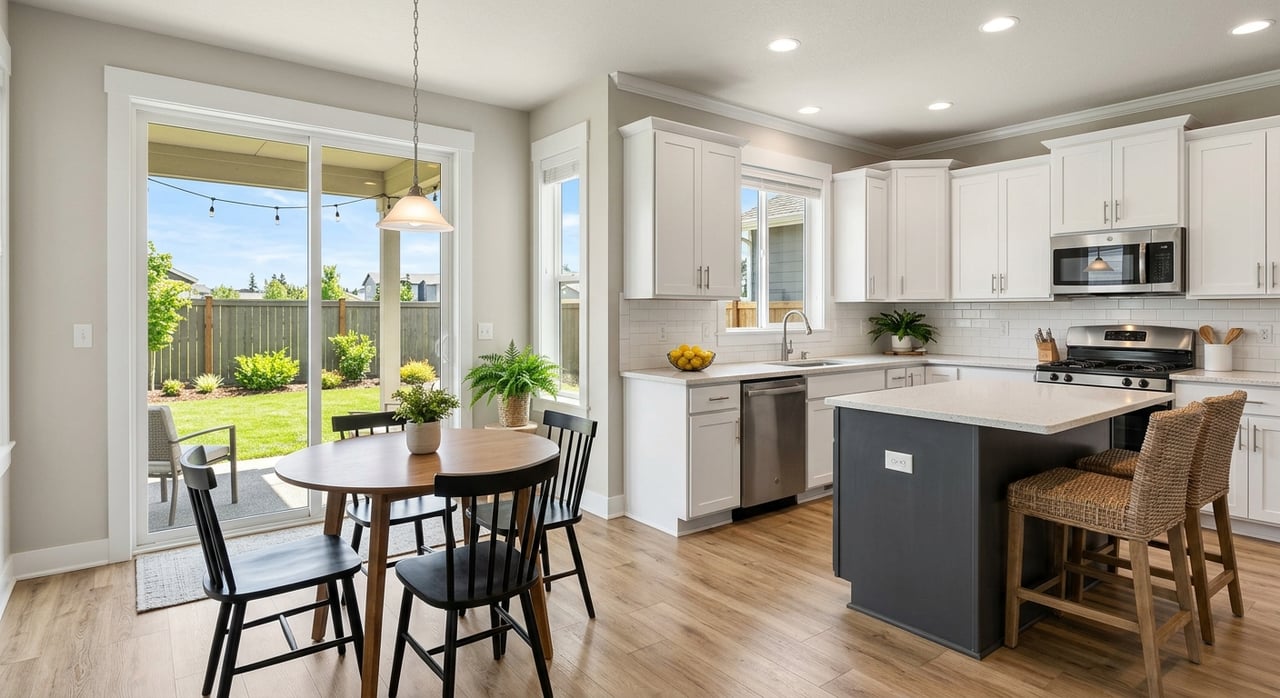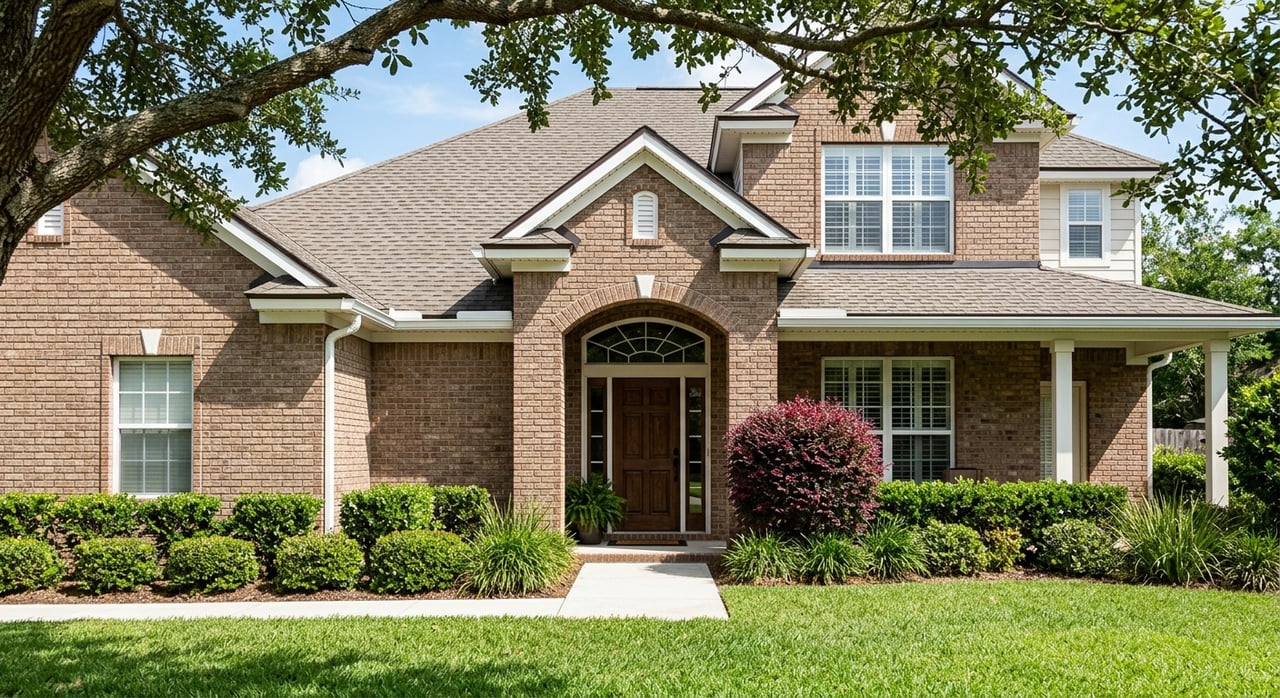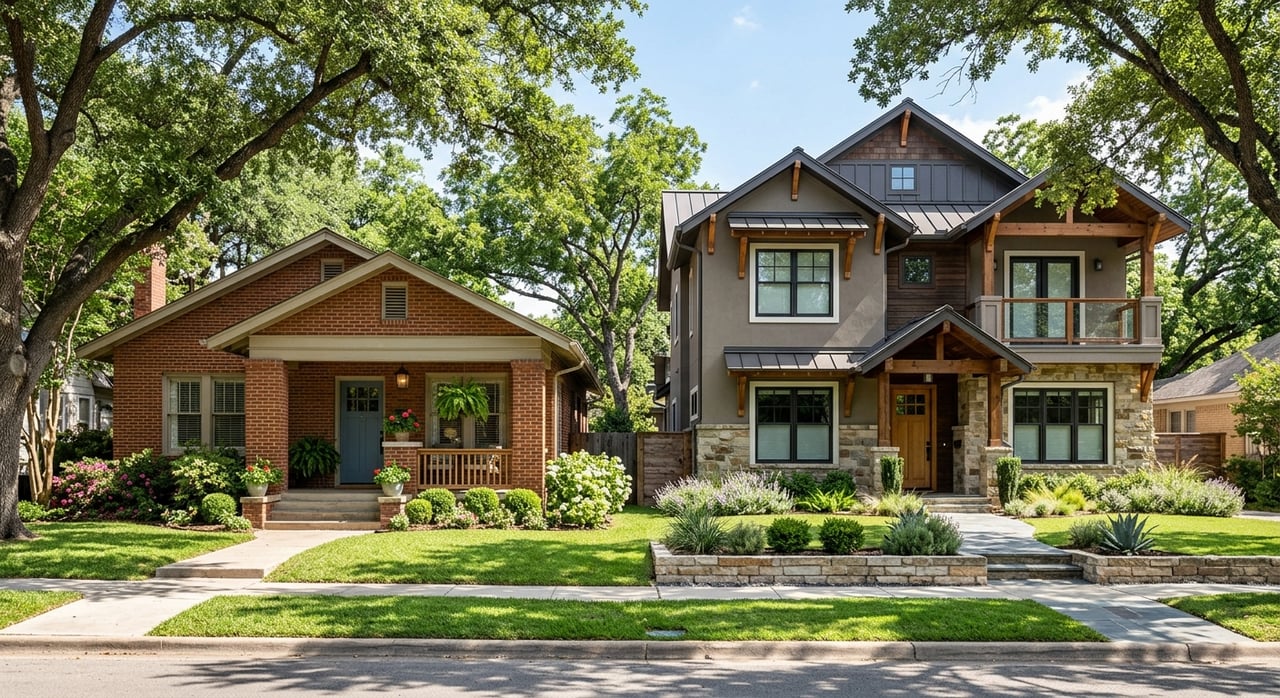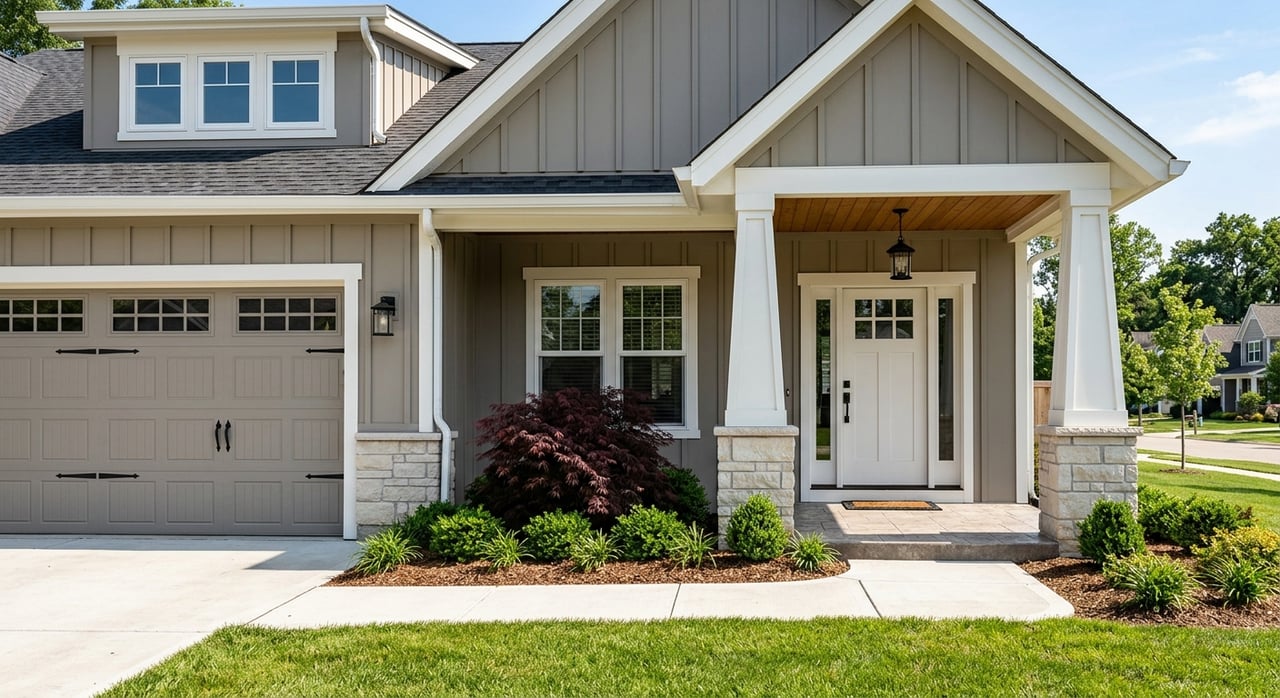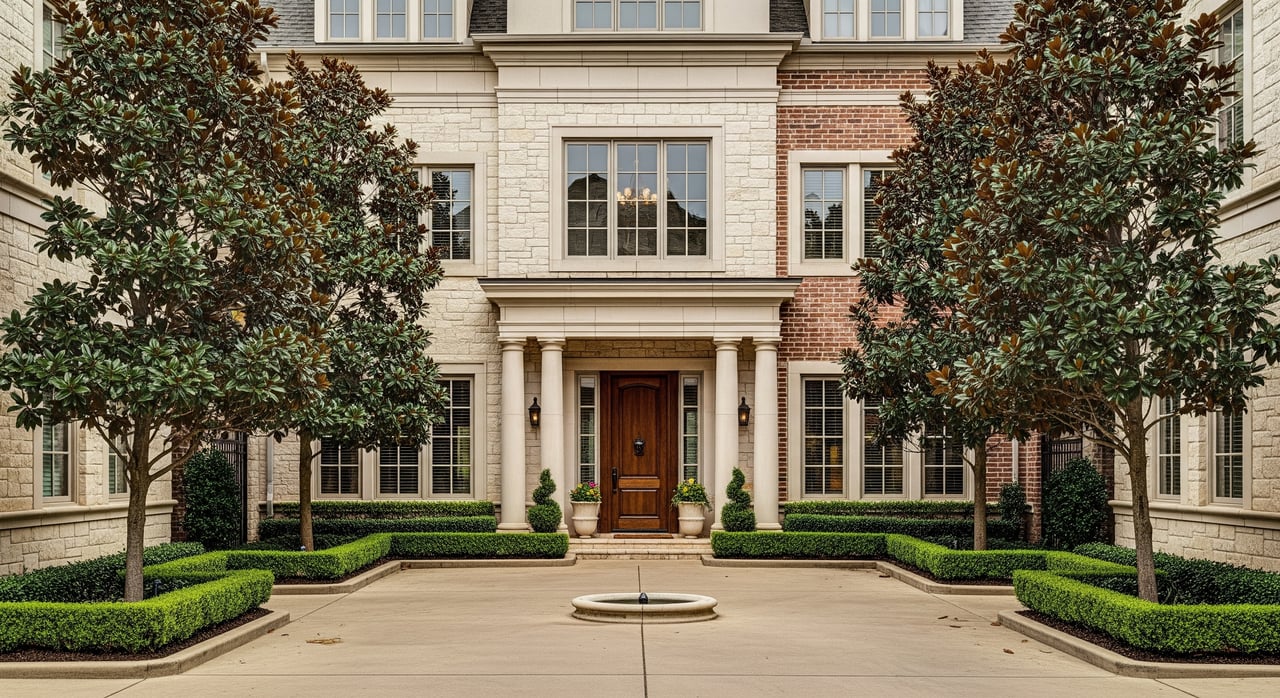
Thinking about a move in Richmond but torn between a brand-new build and a resale home? It is a common crossroads for Fort Bend families who want the right space, the right timing, and a smart long-term investment. You want clarity on costs, taxes and fees, warranties, and how quickly you can get the keys. This guide breaks it all down for Richmond and nearby master-planned communities, with a practical checklist to help you compare options side by side. Let’s dive in.
New vs resale at a glance
- New construction often carries a higher price per square foot due to new systems, builder overhead, lot premiums, and upgrades. Resale can offer more negotiability based on condition and inventory.
- Resale usually delivers faster move-in. New builds range from quick-move-in inventory to 6 to 12 months or more for build-to-order or custom.
- New homes typically come with staged builder warranties for workmanship, systems, and structure. Resale depends on inspection, negotiated repairs, and optional home warranty coverage.
- Many Richmond communities include MUD or PID assessments and HOA dues. These affect your total monthly payment and should be verified for each property.
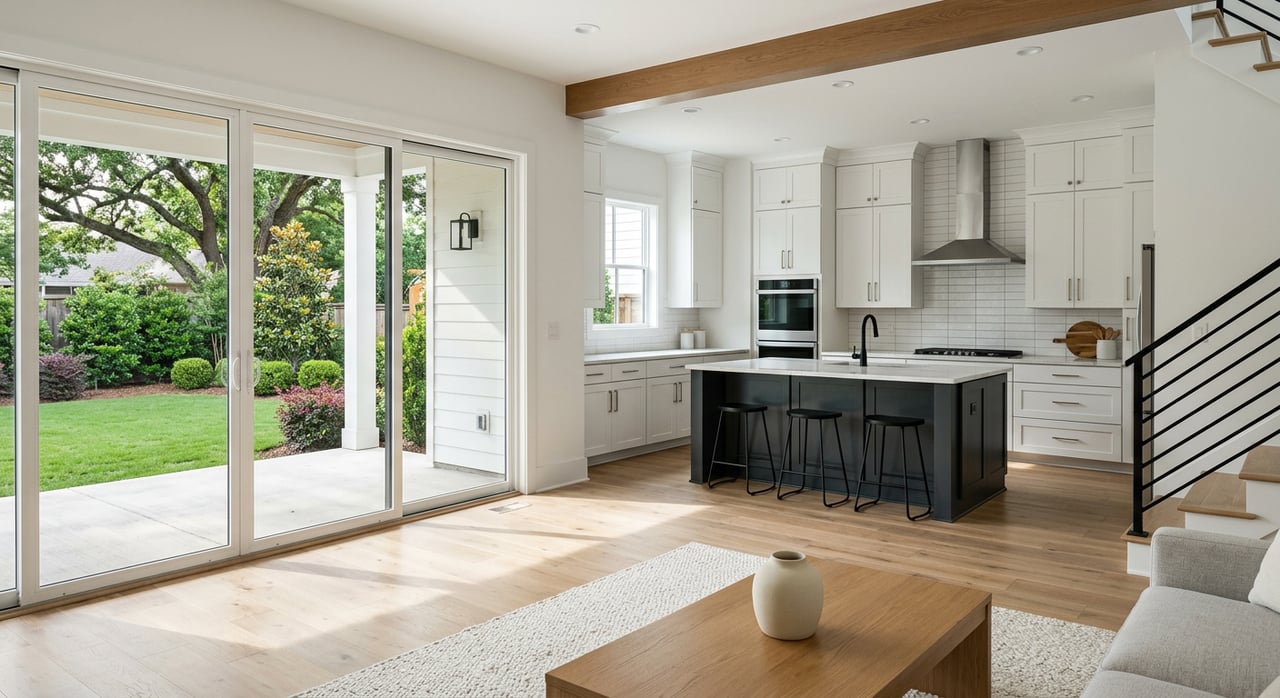
- New builds offer customization and energy-efficient systems. Resale may need updates or renovations to match your lifestyle and layout needs.
What it really costs in Richmond
Price and upgrade decisions
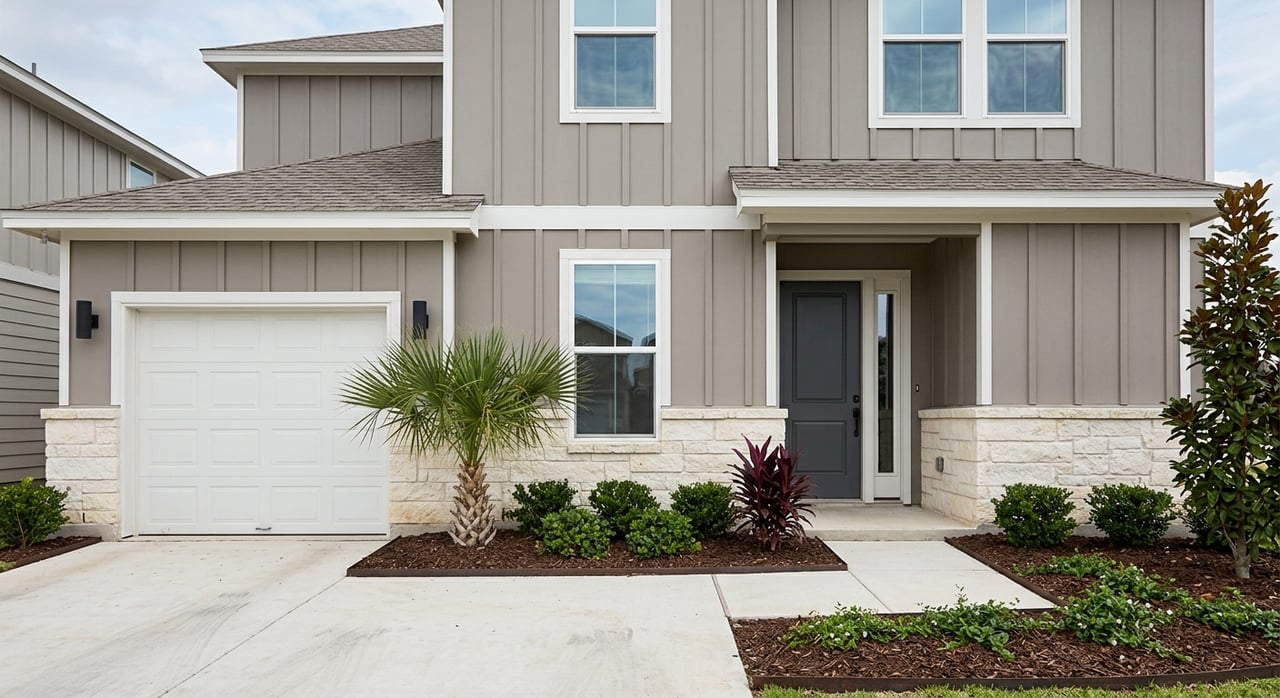
New construction in Richmond’s master-planned communities, including Harvest Green and Aliana, commonly shows a premium over similar resale homes. Final pricing depends on lot selection, included finishes, and upgrade packages. With resale, you may find more room to negotiate based on condition, recent updates, and days on market.
To compare apples to apples, focus on total finished price for new construction, including lot premium and design center choices, versus a resale’s likely repair or renovation budget.
Taxes, MUDs, and PIDs
In Fort Bend County, property tax bills can include county, school district, city (if inside city limits), and special districts. Many newer neighborhoods fall within a MUD or PID, which adds assessments that can materially change your monthly payment. Newer sections may have higher effective assessments until bonds are paid down.
Always obtain a sample or estimated tax bill for the specific lot or parcel and confirm the combined tax rate plus MUD or PID for the next several years. Do not rely on a county-only rate when budgeting.
HOA dues and amenity fees
Communities like Harvest Green and Aliana typically have HOA dues for landscaping, pools, parks, and community upkeep. Some communities also have one-time transfer fees or separate amenity fees. Established resale neighborhoods may have different dues tied to amenity scope and reserve needs. Request the HOA budget and any planned assessments to understand long-term costs.
Closing costs, incentives, and financing
Builders often offer incentives such as interest rate buydowns or closing cost credits. These can offset part of the new-construction premium, but incentives may be tied to using a preferred lender or title provider. If you plan to build, you may consider a construction-to-permanent loan, which functions differently from a standard mortgage. Resale purchases typically use conventional, FHA, or VA financing without construction draws.
Ask for a sample net sheet for both new and resale scenarios, including estimated taxes, MUD or PID assessments, HOA dues, lender fees, and prepaid items. Compare total cash to close and estimated monthly payments.
Ongoing maintenance and operating costs
New homes generally start with lower maintenance and energy-efficient systems, along with warranty protection. Resale homes can come with near-term expenses like roof, HVAC, or appliance replacement. A strong inspection and a clear update plan help you quantify the real cost of ownership.
Timelines and move-in certainty
Resale timeline
From a signed contract, most resale closings in Fort Bend occur within 30 to 60 days, depending on financing and title needs. This path often works best if your timing is firm, you are relocating on a defined schedule, or you need to coordinate a sale and purchase.
New construction timeline
Quick-move-in spec homes can be available in 30 to 90 days if completed and permitted. Build-to-order homes commonly range from 4 to 9 months depending on plan, lot, and supply conditions. Custom homes can extend to 9 to 18 months or more. Factor in potential weather or supply delays and keep your move plan flexible.
Process milestones that matter
- Lot selection and contract terms
- Structural options and design selections
- Permitting and site work
- Construction stages with limited access windows for inspections
- Final walkthrough and punch list, then closing
Clarify how your builder handles change orders, delay notifications, and the punch-list timeline after move-in.
Warranties, inspections, and protections
Typical builder warranties
Many builders provide staged coverage such as a 1-year limited warranty for workmanship and finishes, a 2-year limited warranty for key systems like HVAC, plumbing, and electrical, and a 10-year structural warranty. Coverage specifics, claim procedures, and exclusions vary. Request the full warranty booklet up front and review how to submit claims.
Inspections and punch lists
Even with a new home, plan for independent inspections at key stages when allowed, such as pre-drywall and final. Builders will host a final walk and maintain a punch list process to correct items after closing. For resale, a full inspection is essential, with specialized inspections as needed for roof, pool, foundation, pest, or septic.
Home warranties on resale
Some sellers offer a one-year home warranty on major systems and appliances, and buyers can purchase a policy if not included. Coverage levels, response times, and limits differ. Review the policy before you rely on it for budgeting.
Texas contract considerations
Carefully review builder contracts for delivery timelines, remedies for delays, and dispute resolution language. For resale, review all disclosures and HOA documents before your option period expires. If you are uncertain about legal language or risk, consider engaging a local real estate attorney.
Local factors to verify in Richmond
HOA rules and governance
Newer communities are often developer-controlled at first, with a planned transition to homeowners. Ask for the covenants, bylaws, design guidelines, and rental rules. Confirm any limits on exterior changes such as pools or fencing, and whether special assessments are possible.
MUD and PID specifics in Fort Bend
MUD and PID assessments can vary by subdivision and even by section. Ask for current and projected rates, and whether there are outstanding bonds that affect future assessments. Build these numbers into your affordability checks along with insurance and utilities.
Floodplain and drainage
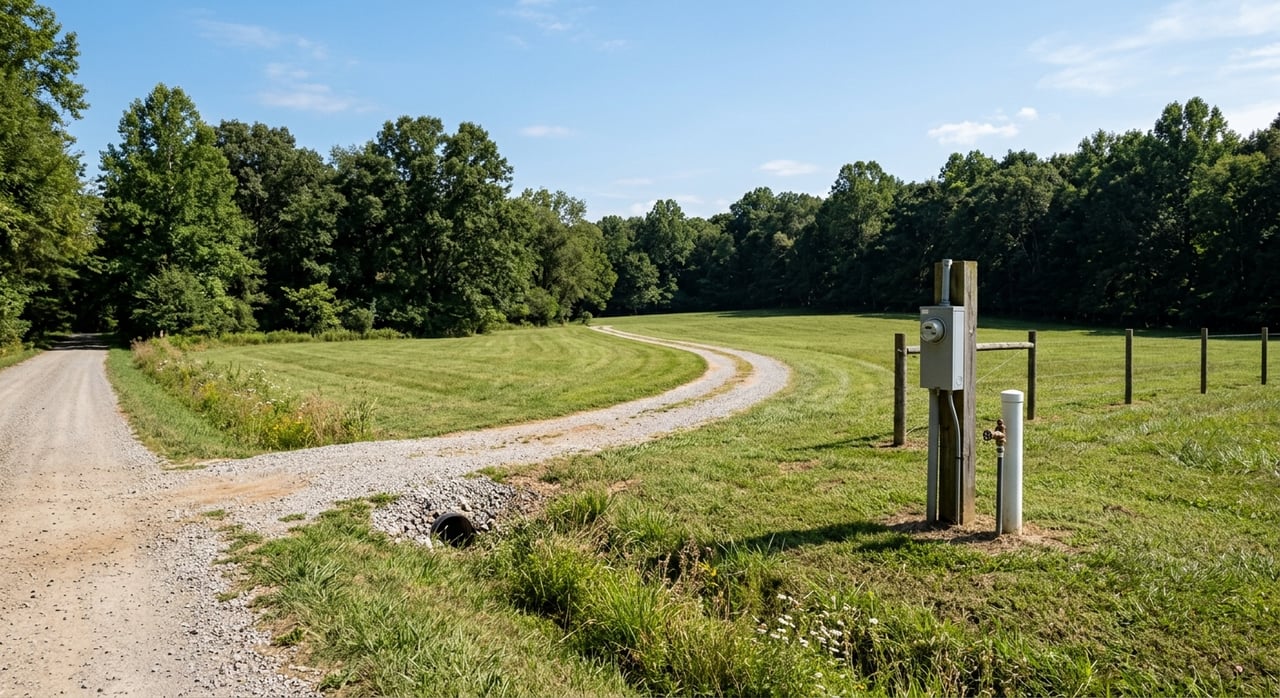
Richmond includes areas with flood risk near water bodies. New lots may be graded and elevated, but you should still confirm the flood zone, finished floor elevation, and drainage design. Ask for any elevation certificate and review site plans for easements.
Schools and commute
School attendance zones change over time. Confirm current assignments and any planned changes directly with the district. Also consider commute patterns to nearby employment centers in Richmond, Sugar Land, and Greater Houston.
A decision framework for move-up families
- Budget and total cost of ownership. Include principal and interest, property taxes with MUD or PID, HOA dues, insurance, utilities, and maintenance or renovation.
- Timing needs. If you must move within a few months, resale or a quick-move-in spec may fit better. If you can stay flexible, a build-to-order home opens more choices.
- Lifestyle and amenities. New master-planned neighborhoods emphasize on-site amenities and modern layouts. Established areas may offer larger lots and mature landscaping.
- Risk tolerance. Weigh construction timing variability and change order costs against the potential for repairs or renovations in resale.
- Long-term resale. Consider floor plan functionality, energy features, lot orientation, and local demand cycles.
Sample pathways:
- If you need certainty and a tighter budget, lean resale with a solid inspection and repair negotiations.
- If you want clubhouse amenities, low immediate maintenance, and personalized finishes, pursue new construction with a written price map that includes upgrades and MUD or PID estimates.
- If you prefer established trees and are open to projects, target mature Richmond neighborhoods with a renovation plan.
Due diligence checklist
For any new-build lot
- Base price and included features list
- Itemized upgrade pricing and design allowances
- Lot premium and rationale such as location or orientation
- Estimated completion date and what happens if delayed
- Full builder warranty booklet and claim process
- HOA covenants, current budget, and reserve policy
- MUD or PID tax rate, sample tax bill, and any bond obligations
- Flood zone confirmation, elevation certificate, and drainage plan
- Incentives, lender options, and any requirements to use a preferred lender
For a resale home
- Full inspection report plus ages of roof, HVAC, water heater, and major systems
- HOA dues, any MUD or PID assessments, and recent utility costs
- Seller disclosures and any history of repairs or claims
- Comparable sales adjusted for updates, lot size, and condition
- Estimated near-term capital items such as roof or AC replacement
Your next steps in Richmond
- Define your non-negotiables such as beds, baths, lot size, commute, and target attendance zones.
- Build a realistic budget that includes taxes, MUD or PID, HOA dues, insurance, and maintenance.
- Shortlist specific Richmond neighborhoods, including Harvest Green and Aliana, and request full documents for either new or resale.
- Compare total monthly cost and cash to close for your top two to three choices.
- Confirm flood risk and site elevation for any property you are serious about.
- If building, discuss construction-to-permanent versus standard financing and get pre-approved with the full tax and assessment picture.
If you want a local guide to walk through each option and keep the process calm and clear, reach out to Denise Moore. You will get neighborhood-first advice, steady communication, and a simple plan to move from research to keys-in-hand.
FAQs
How do MUD and PID assessments affect a Richmond home budget?
- They increase your property-related costs beyond county and school taxes. Request the current and projected rates for the specific lot or home and include them in your monthly payment estimate.
What is the typical move-in timeline difference between new and resale in Fort Bend?
- Resale often closes in 30 to 60 days after contract. New construction ranges from about 30 to 90 days for a quick-move-in spec to several months for build-to-order or longer for custom.
What warranties come with a new home in Richmond?
- Many builders offer a 1-year limited workmanship warranty, a 2-year limited systems warranty, and a 10-year structural warranty. Always review the builder’s booklet for details and exclusions.
Should I still get an inspection on new construction?
- Yes. Independent inspections at pre-drywall and final walk can catch issues early. Coordinate timing with the builder since site access is controlled.
Are builder incentives worth using a preferred lender?
- They can be valuable, such as interest rate buydowns or closing cost credits. Compare total loan terms and any conditions tied to lender or title use before you decide.
How can I compare a new-build price to a resale price fairly?
- Add lot premium and upgrades to the new-home base price, then compare that total to a resale price plus any renovation budget and near-term system replacements.
What local risks should I review before I buy in Richmond?
- Confirm any MUD or PID, review HOA documents, verify flood zone and elevation, and check current school assignments. These factors can affect both cost and daily living.