Thinking about a move to Sugar Land and trying to picture your mornings, commutes, and weekends? You’re not alone. Many buyers hear about “master-planned communities” but want to know what that actually feels like day to day. In this guide, you’ll see how these neighborhoods are set up, what life looks like in several popular communities, and what to check before you buy. Let’s dive in.
What master-planned living means in Sugar Land
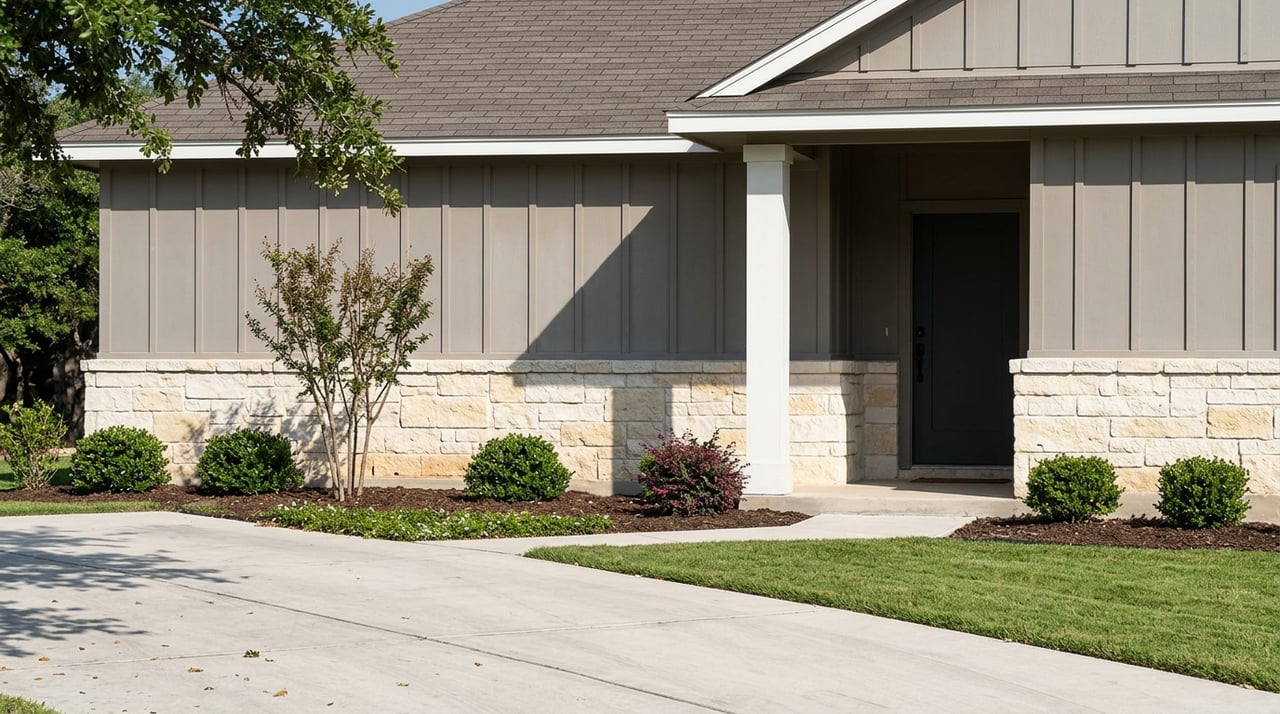
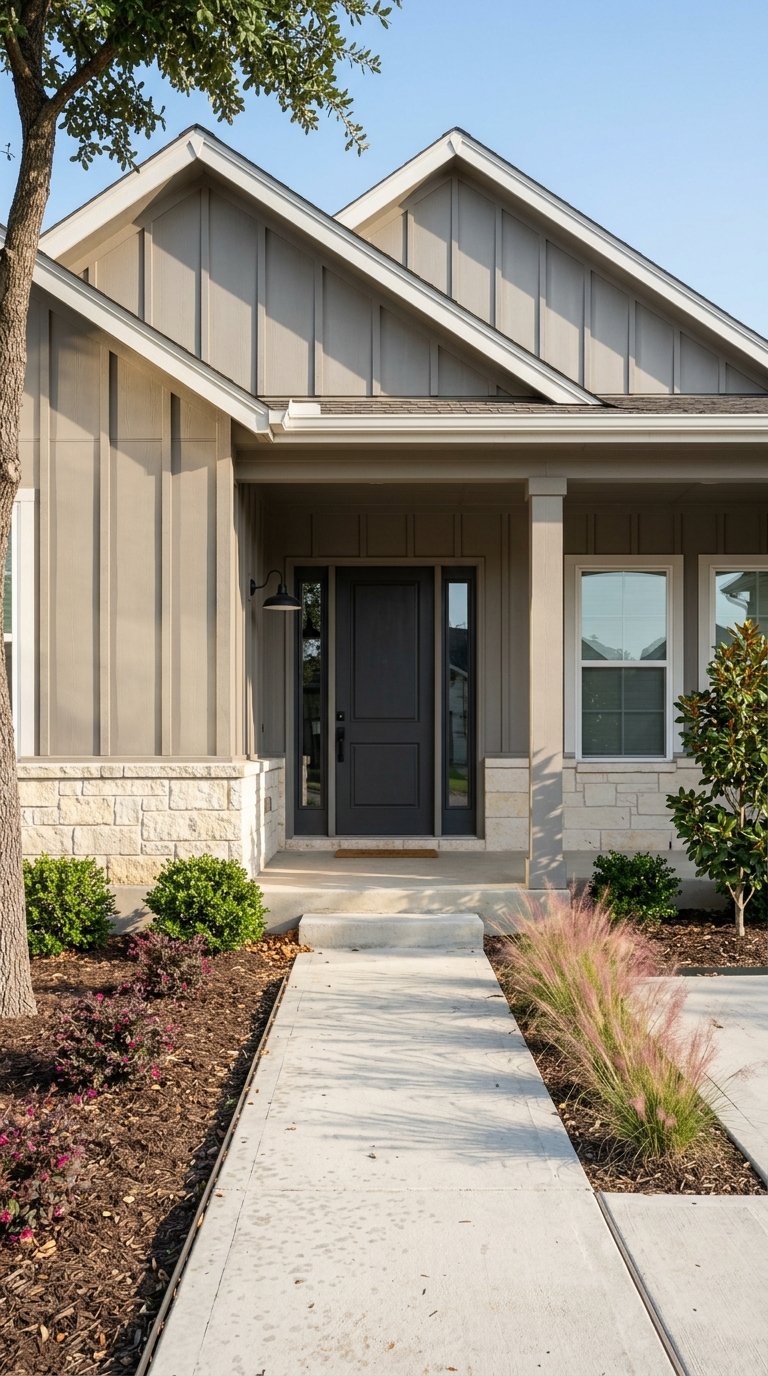
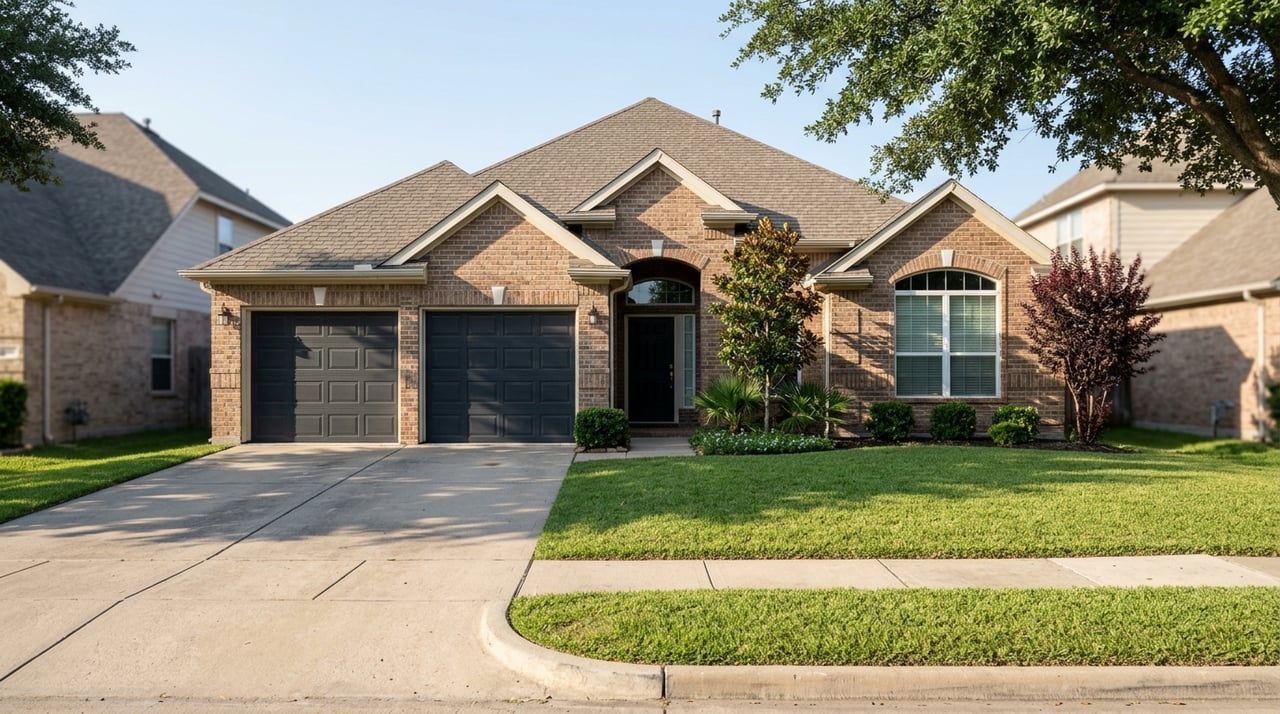
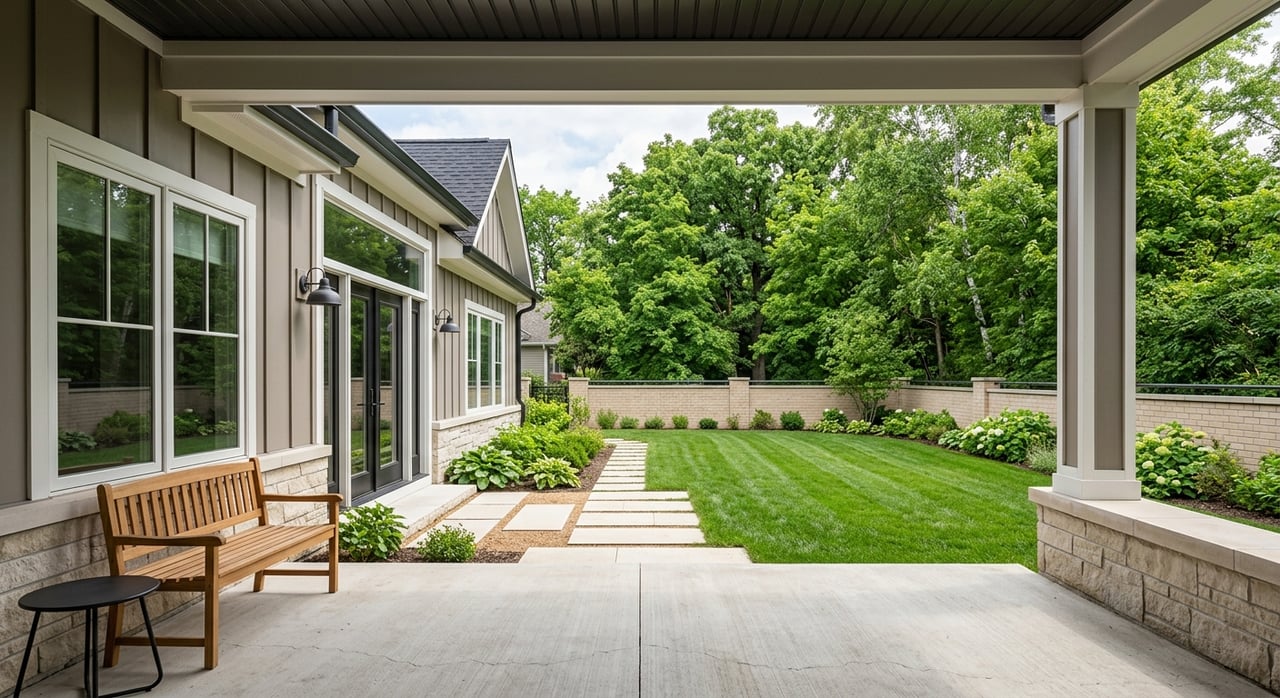
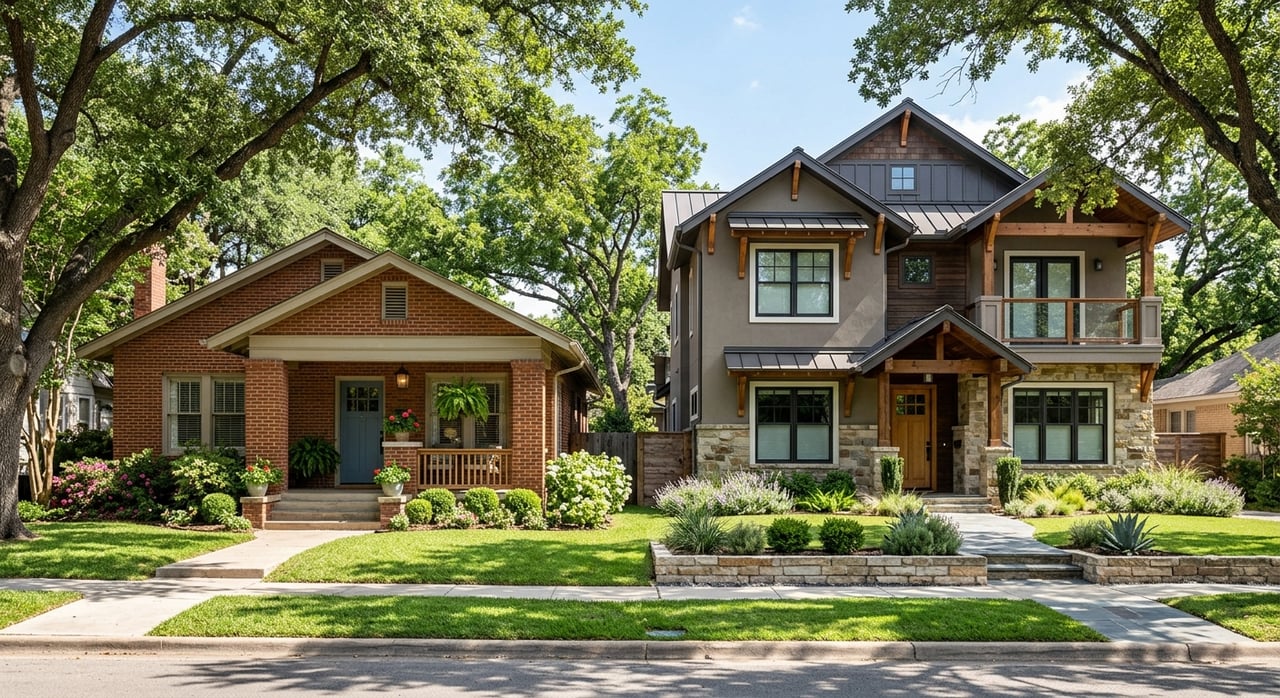
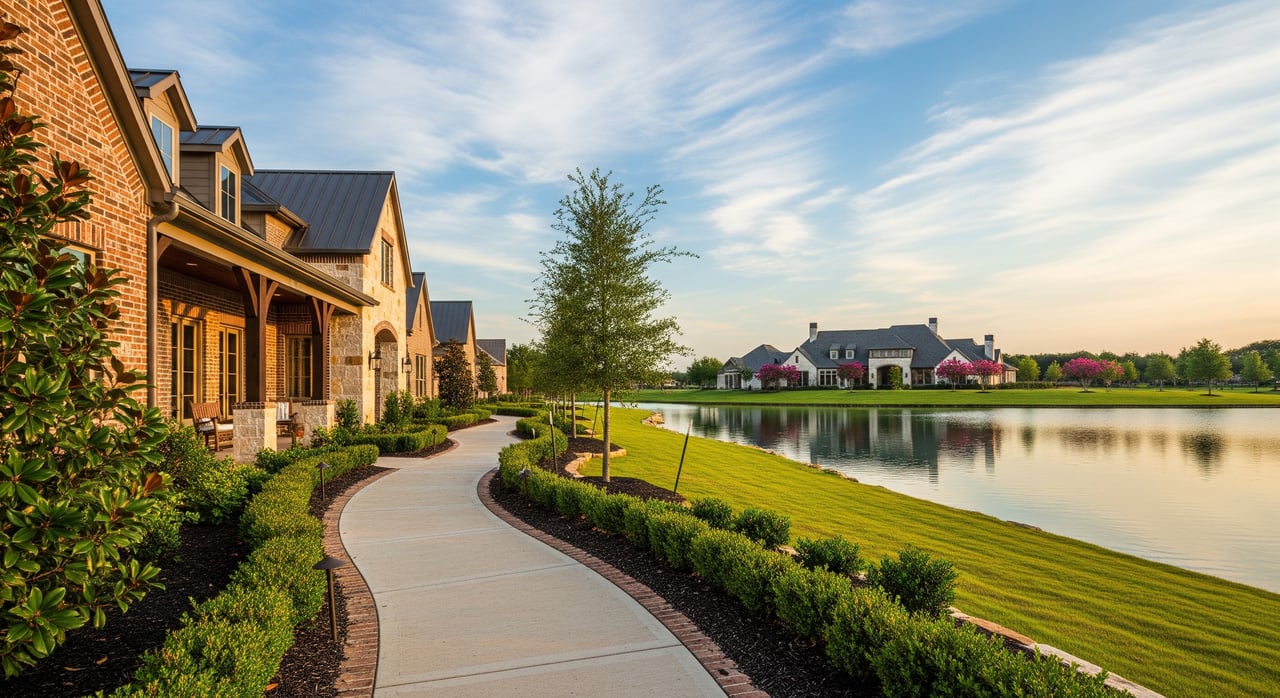
Sugar Land sits on Houston’s southwest side in Fort Bend County with a 2020 population of roughly 118,000. Most neighborhoods here are car friendly and connected by US 59/I 69, State Highway 6, and Grand Parkway 99. In this setting, a master-planned community is a large, thoughtfully designed neighborhood that blends homes with amenities, trails, lake features, pocket parks, and sometimes village-style retail nearby.
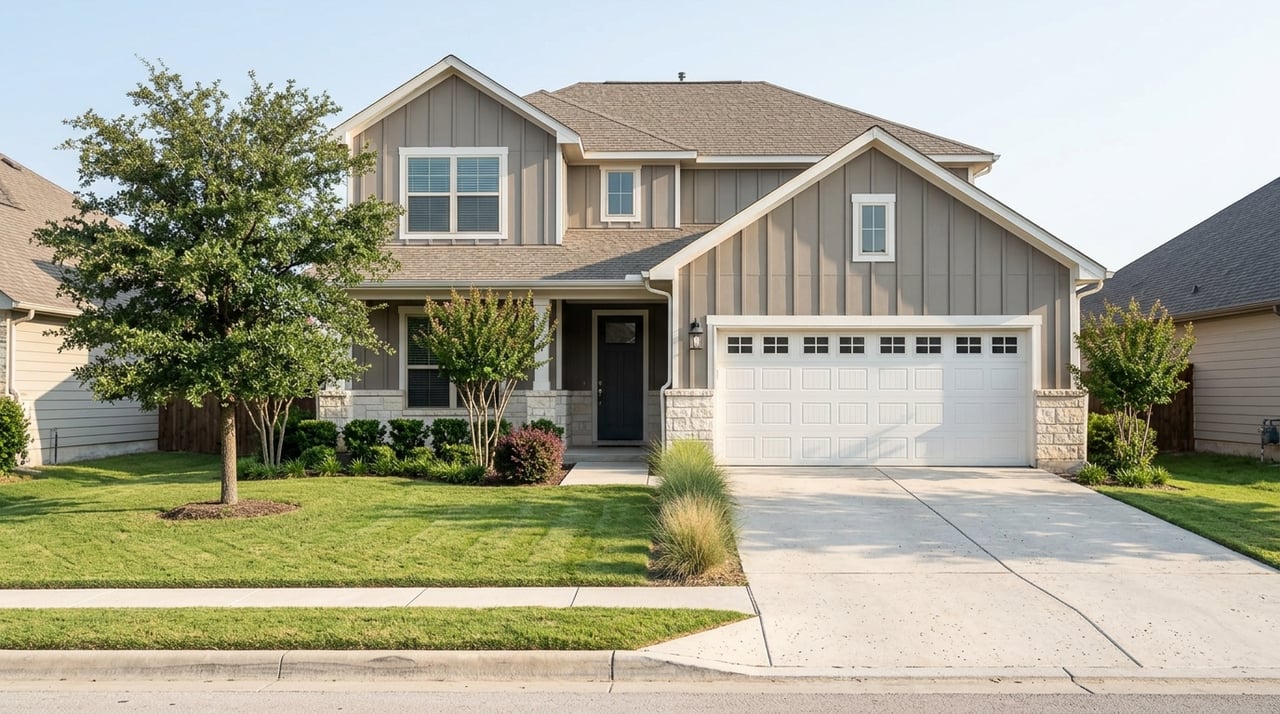
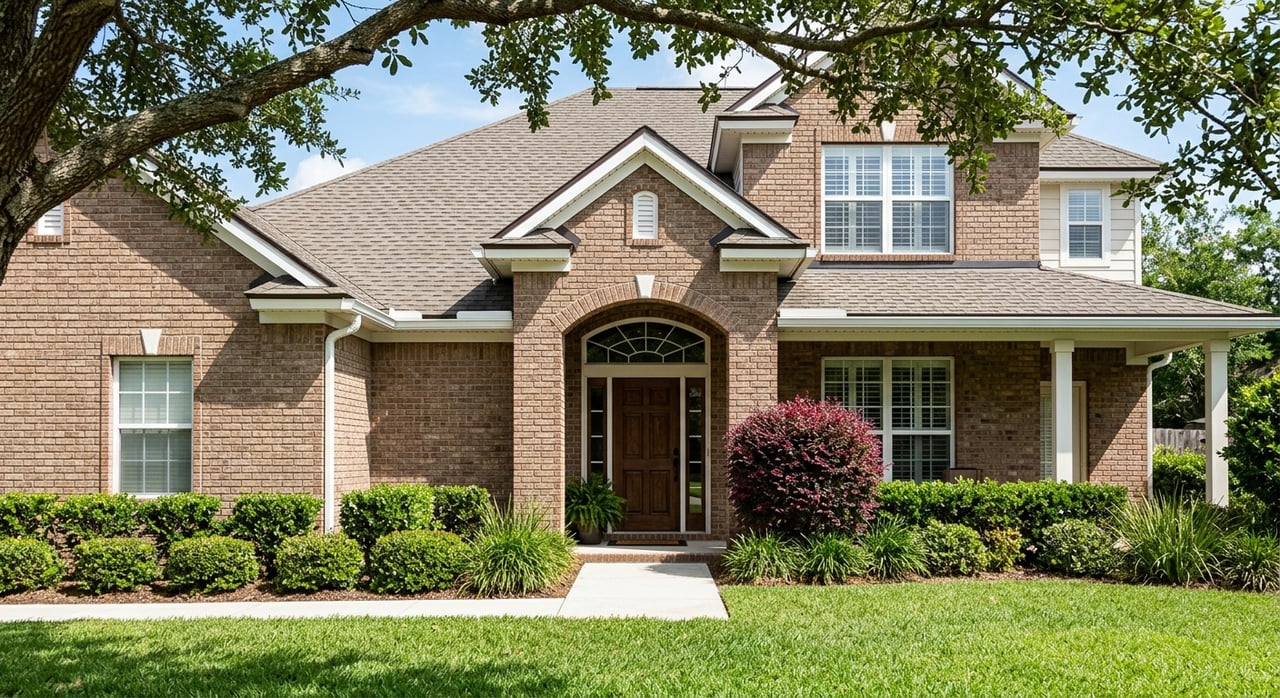
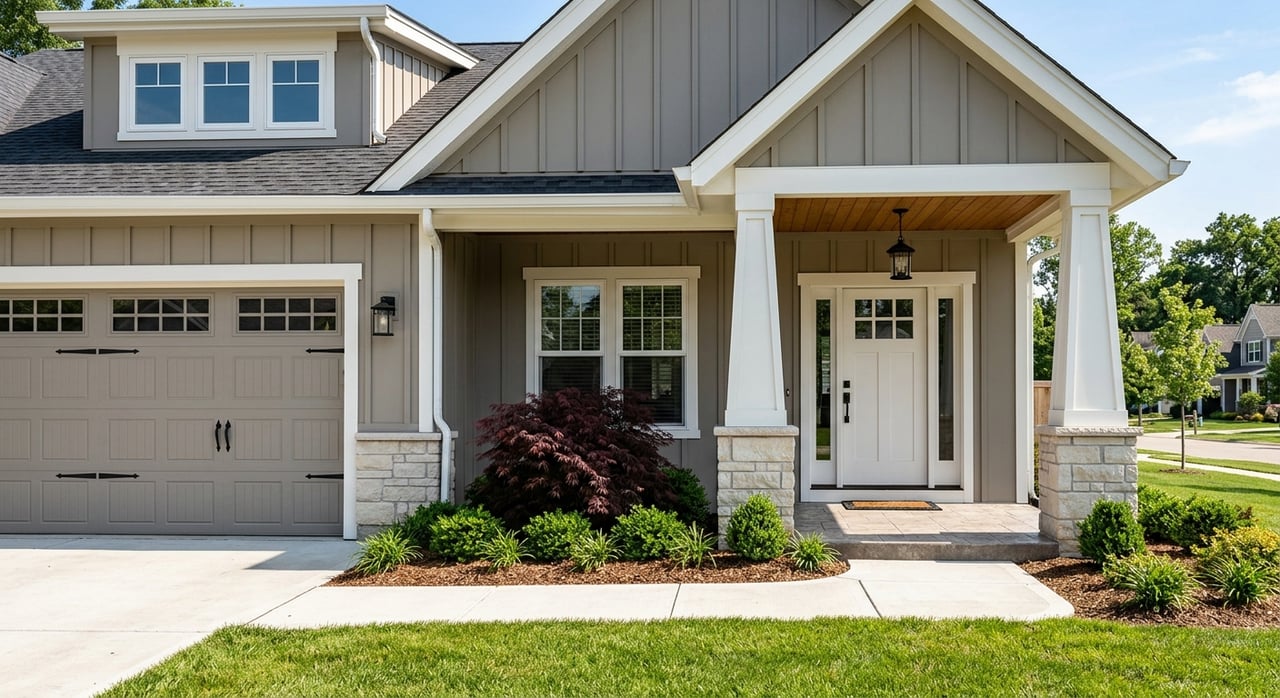
You’ll typically find an HOA that maintains common areas, runs events, and sets architectural and landscaping standards. That often helps preserve neighborhood character over time. Home styles range from townhomes and modest single-family homes to larger semi-custom and custom properties. Some communities include gated sections or age-restricted enclaves.
Lifestyle varies by neighborhood. Some communities lean into active recreation with pools and sports fields. Others highlight lakes and walking paths. Most plan internal connectivity so you can reach parks, playgrounds, or a clubhouse without crossing major roads.
A day in the life across communities
Below are examples of how daily life can feel in several well-known Sugar Land master-planned communities. Each includes multiple sections with different builders and ages of homes, so always verify specifics like HOA access, fees, and any resident-only policies before buying.
First Colony
First Colony is one of Sugar Land’s earliest master-planned areas with a central location and established streetscapes. In the morning, you might drive a few minutes to a neighborhood park before school drop-off, then head to nearby shopping or services for errands. Many residents use internal roads to reach US 59/I 69 for a commute toward Houston.
Afternoons can include a stop at a community pool or a walk under mature trees. Evenings often revolve around quick trips to dining and everyday conveniences close by. The community’s size means you can choose from different home styles and lot sizes while staying near core Sugar Land amenities.
Riverstone
Riverstone emphasizes landscaped green space and lakes. A typical day may start with a lakefront loop or a jog on the trail network before work. Residents often build routines around onsite amenities like recreation centers and community events.
If you work from home or have a flexible schedule, it’s easy to plan midday breaks by the water or meet neighbors at a clubhouse. When you do head out, regional routes like State Highway 6 or US 59/I 69 connect you to the broader metro. Evenings can feel resort-like with quiet streets, views across water features, and low-key neighborhood gatherings.
Telfair
Telfair’s layout supports internal walkability to parks, playgrounds, and small retail nodes. Mornings might include a bike ride to a pocket park or a quick trip to a local café. The housing mix includes newer sections that appeal to buyers who value contemporary design.
After school or work, it’s easy to join clubs or youth programs on the community calendar. Weekends often center on casual meetups at neighborhood green spaces. When you need larger shopping hubs or medical services, you’re still a short drive from Sugar Land’s major commercial centers.
New Territory
New Territory is known for recreation-forward living. Think multiple pools and athletic facilities with a long-standing community identity. On a typical weekday, you might head to the fitness center early, then use nearby arterials for the commute.
Afternoons can revolve around youth sports or neighborhood clubs. With green areas and multiple parks, it’s common to see evening walks, strollers, and bikes on local trails. The overall pace feels active yet residential.
Greatwood
Greatwood offers an established suburban setting with plenty of trees, trails, and a quieter feel. Morning routines often include a loop on a walking path or a short drive to errands. Many homes sit on lots that provide more outdoor space than smaller-lot communities.
After work, you might spend time at the community center or one of the pools, then settle in for a relaxed evening. If you want access to Sugar Land’s shopping and dining but prefer a calm, residential pace, Greatwood fits that rhythm.
Daily conveniences and services
Most master-planned communities place you near everyday essentials. You’ll find grocery stores, pharmacies, banks, fitness studios, and quick dining within short drives. Sugar Land’s retail hubs offer a variety of restaurants, boutiques, and professional services, with regular community events throughout the year.
Healthcare access is strong, with multiple hospital systems operating local campuses. You can find primary care, urgent care, and specialists nearby. Explore services and locations at Houston Methodist Sugar Land and Memorial Hermann Sugar Land.
Municipal parks and city services supplement HOA amenities. For park listings, recreation programs, and city updates, visit the City of Sugar Land.
Getting around: commutes and walkability
Sugar Land is primarily car oriented. Major routes include US 59/I 69 toward central Houston, State Highway 6 for local travel, and Grand Parkway 99 for regional trips. Drive times vary widely by route and time of day. Many residents estimate 30 to 60 minutes toward downtown during rush hour and use live traffic tools to plan.
For corridor conditions, project updates, and planning resources, check TxDOT. Inside most master-planned communities, you’ll find sidewalks, trails, and internal paths that connect homes to parks and pools. Outside the neighborhood, you’ll typically drive to employment centers and regional shopping.
Schools and programs
Most Sugar Land master-planned communities are zoned to Fort Bend Independent School District. Attendance zones can be complex and may vary from block to block. Before you make an offer, confirm the exact school assignments and review available programs using the Fort Bend ISD site.
Private and parochial options, as well as early childhood centers, are also available throughout the area. If schools are an important factor for your move, gather assignment letters, verify feeder patterns, and explore extracurricular opportunities that fit your needs.
Weather, flooding, and home maintenance
Sugar Land’s climate is humid subtropical with hot summers and mild winters. Air conditioning, storm readiness, and shade planning are part of everyday home ownership. Seasonal maintenance like roof checks, gutter cleaning, and tree care helps homes perform better during storms.
Flood risk varies by parcel across Fort Bend County. Many master-planned communities use engineered drainage and detention lakes, but it is critical to verify a specific home’s status. Review FEMA flood maps, local floodplain resources, any elevation certificates, and the property’s recent flood history. Start with the FEMA Flood Map Service Center and ask for documentation when you tour homes.
HOA life: fees, rules, and access
HOAs are central to master-planned living. Fees fund the maintenance of common areas, pools, landscape planting, community centers, and events. Rules typically cover exterior changes, yard care, parking standards, and short-term rental policies.
Amenity use can require resident registration or badges. Pools and clubhouses often have guest policies and reservation rules. Before you commit, ask the HOA for the current fee schedule, budgets, and any planned assessments, and make sure the lifestyle and oversight level match your preferences.
Quick buyer checklist
Use this list to make confident decisions as you evaluate homes and neighborhoods:
- HOA documents: CC&Rs, rules, current budget, reserve study, and recent meeting minutes.
- School verification: current attendance zones, feeder patterns, and available programs on the district site.
- Flood due diligence: FEMA flood zone, any elevation certificate, and recent street or section flood history.
- Amenity access: resident registration needs, guest policies, fees, and reservation rules for pools and facilities.
- Commute testing: drive your intended routes at your typical times with a live traffic app.
- Community plans: ask about any planned city or HOA projects that could affect costs or access.
- Market context: review comparable sales in the same subdivision section for pricing guidance.
Is this lifestyle a fit for you?
Master-planned living in Sugar Land offers a blend of convenience, amenities, and neighborhood structure. If you want easy access to parks and pools with clear community standards, these neighborhoods may be a strong match. If you prefer fewer rules or a more rural feel, you might focus on homes with lower HOA oversight or larger lots in nearby areas.
When you are ready for a local perspective tailored to your priorities, connect with Denise Moore for a neighborhood comparison, HOA review, and on-the-ground insights. Let’s Connect.
FAQs
How do Sugar Land master-planned communities define amenity access?
- Most amenities are for residents and registered guests, with pools and clubhouses often requiring HOA registration or badges and clear guest rules.
What is the rush-hour commute like to downtown Houston from Sugar Land?
- Drive times vary by route and traffic, but many residents estimate 30 to 60 minutes during peak periods and monitor routes using live traffic tools and TxDOT resources.
How do school assignments work in Sugar Land neighborhoods?
- Most areas are zoned to Fort Bend ISD, but boundaries can change and vary by street, so confirm the exact assigned campuses on the Fort Bend ISD website.
Are there flood concerns in Sugar Land’s master-planned communities?
- Flood risk is parcel specific, so check FEMA maps, any elevation certificate, and recent flood history for the home and section starting with the FEMA Flood Map Service Center.
What do HOA fees usually cover in these communities?
- Fees typically fund common-area maintenance, landscaping, pools, security features, and community programming, but coverage varies, so review the HOA’s budget and fee schedule.