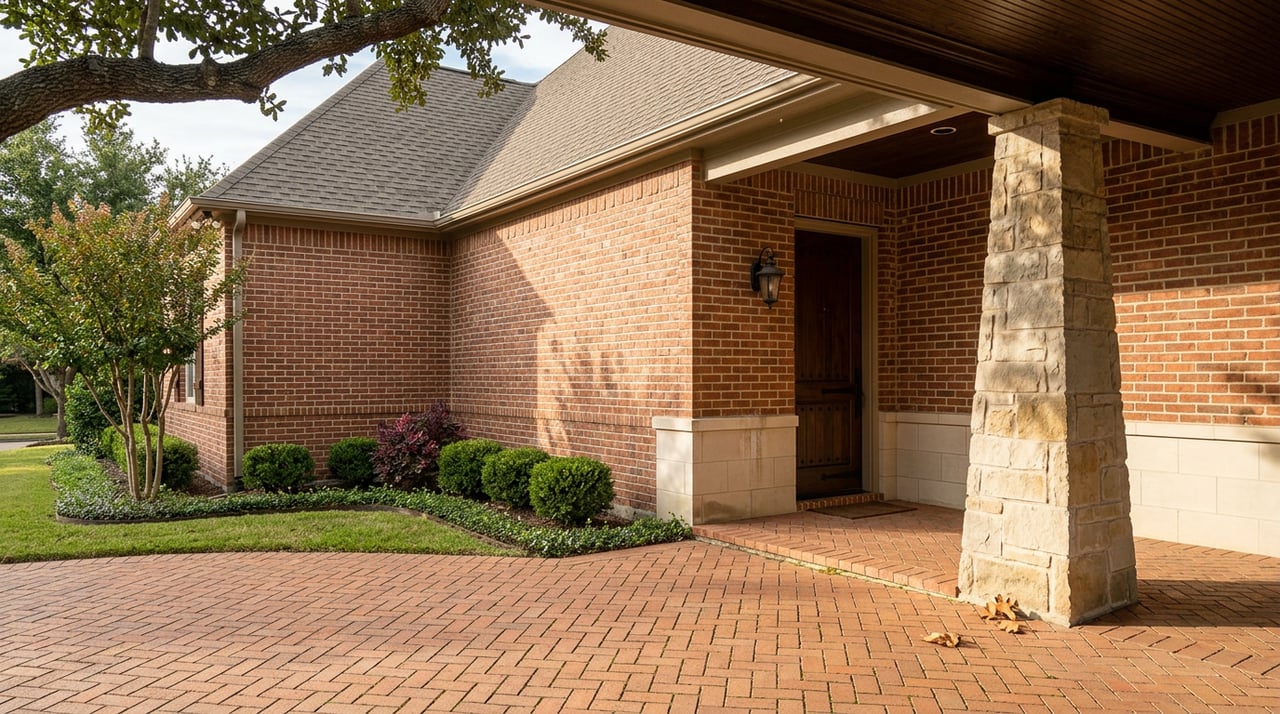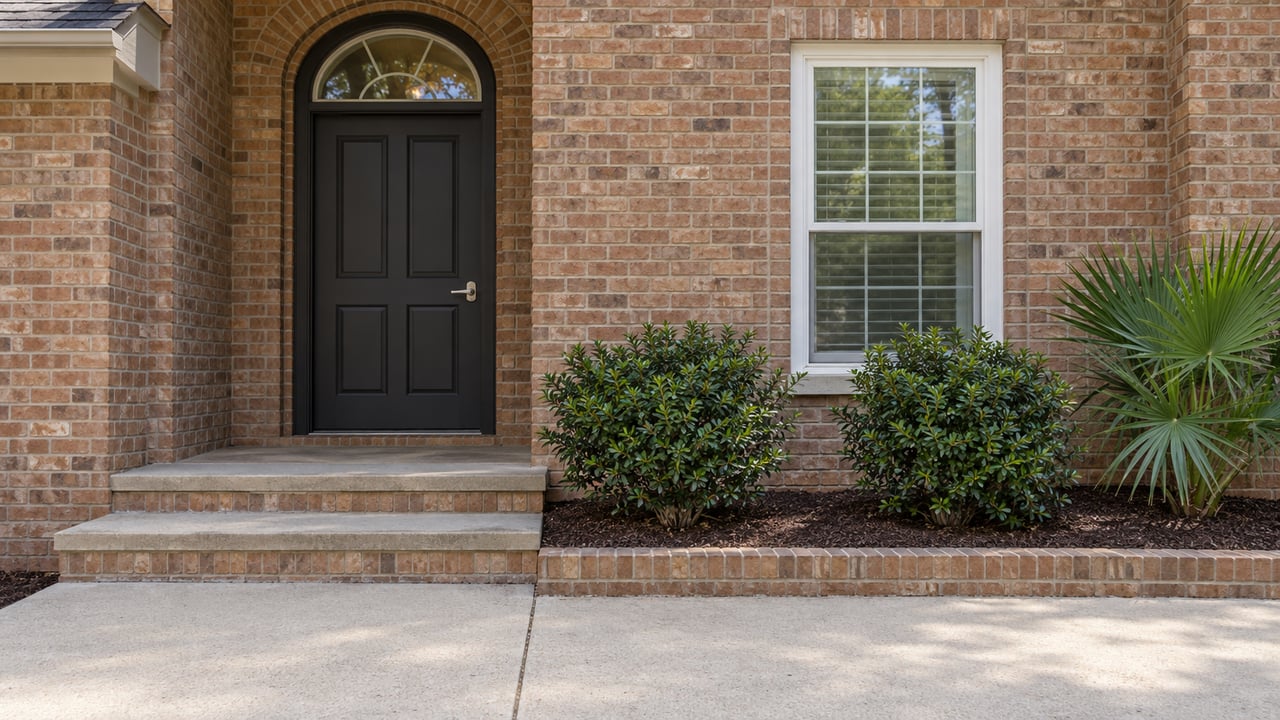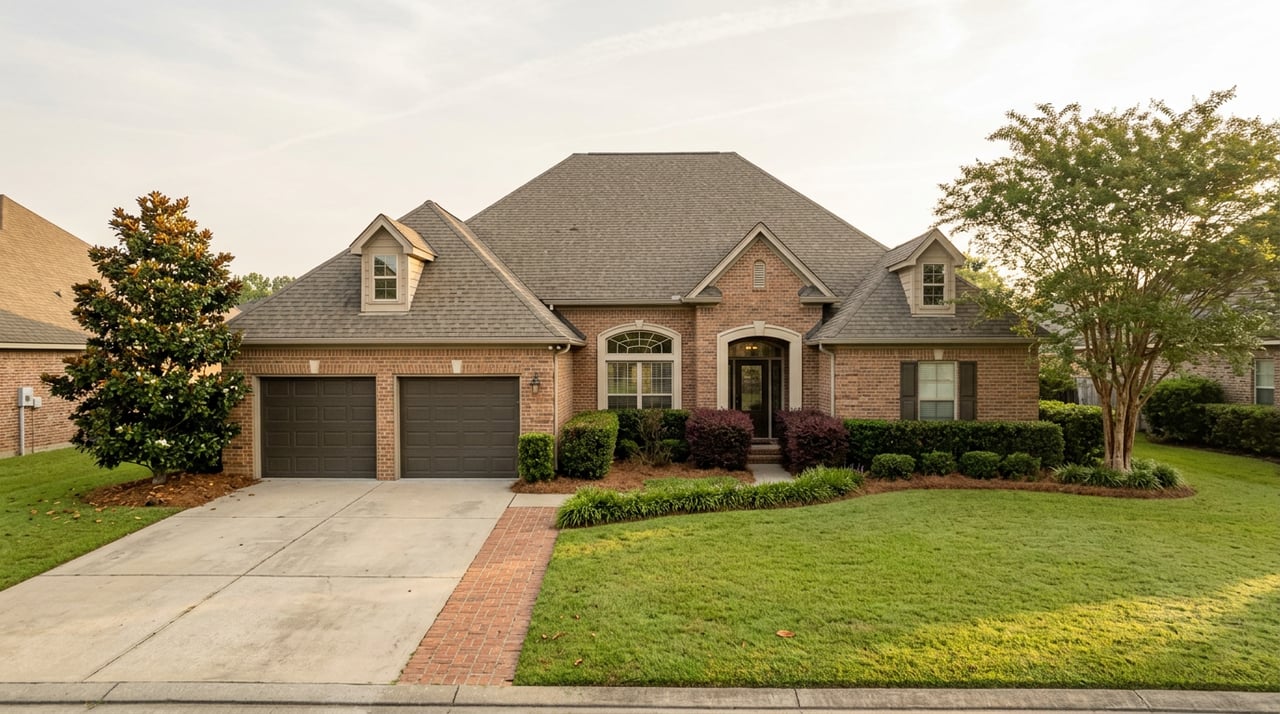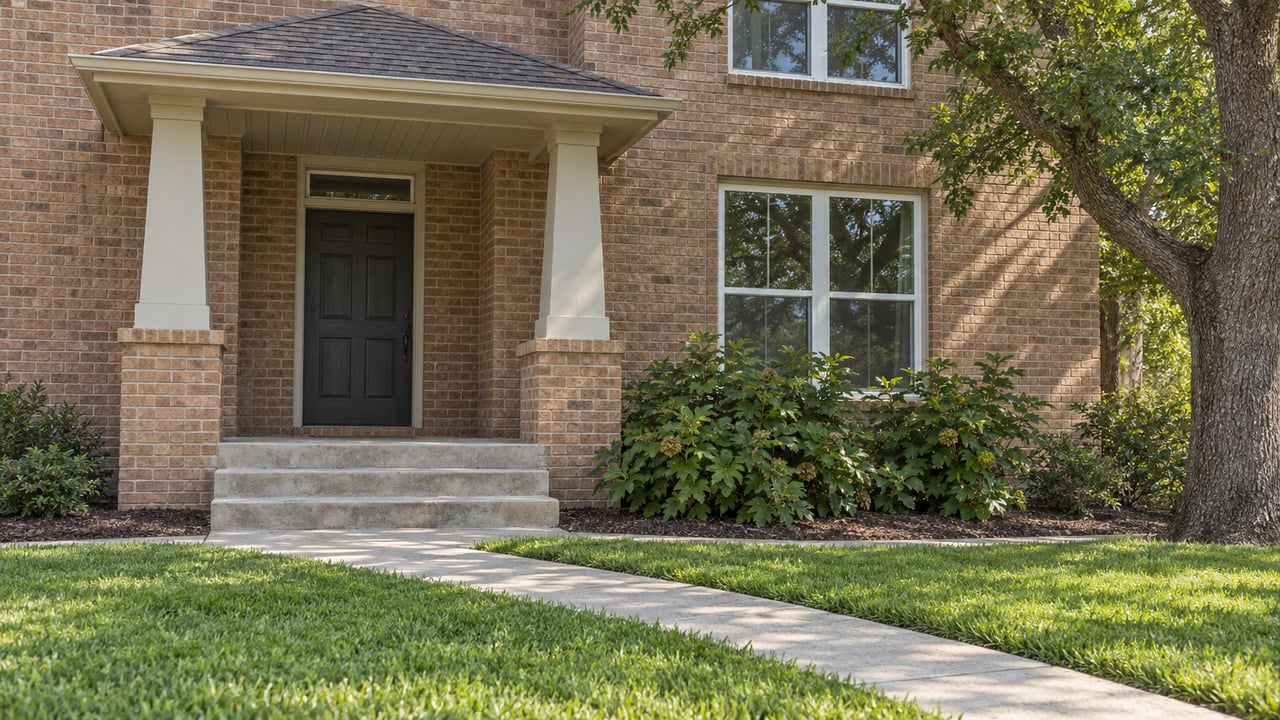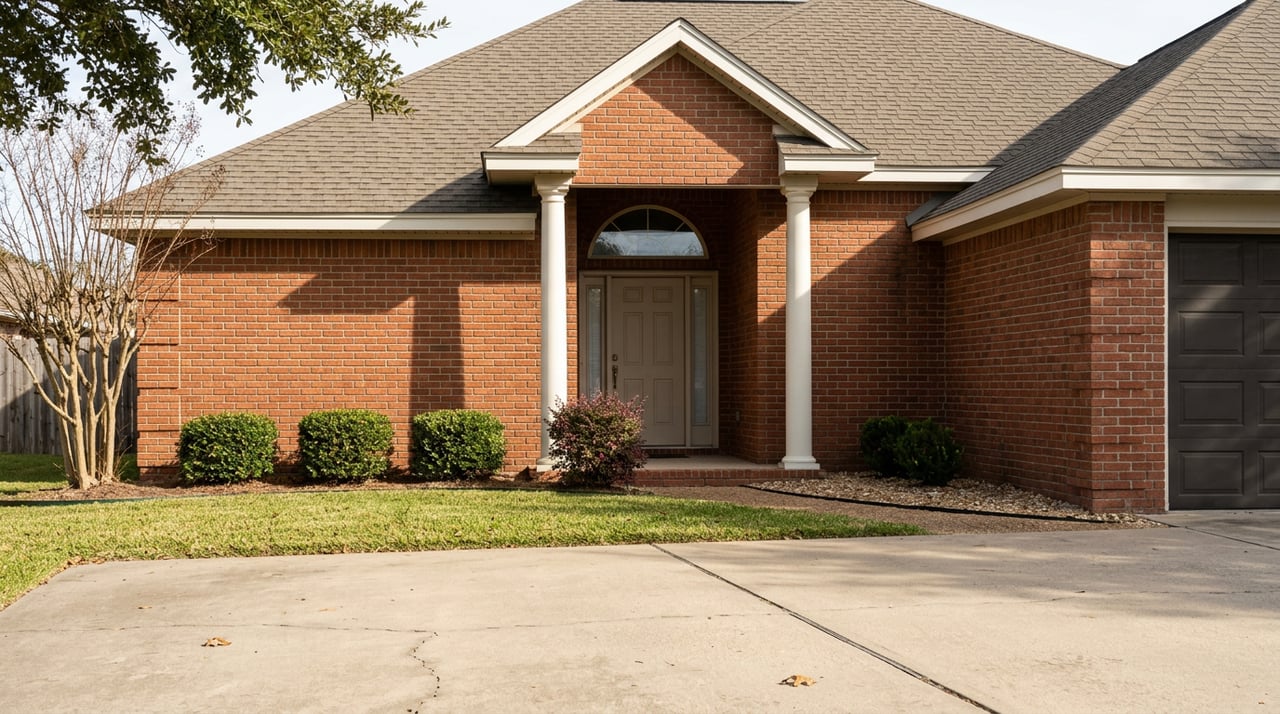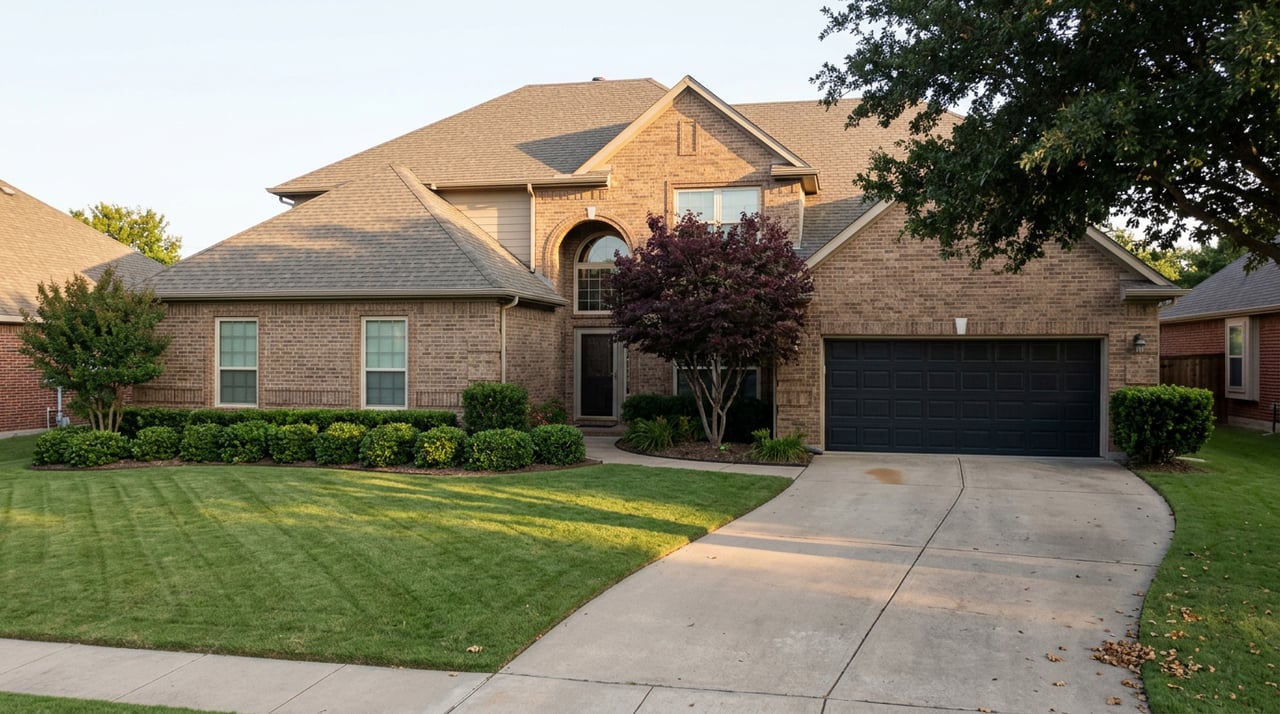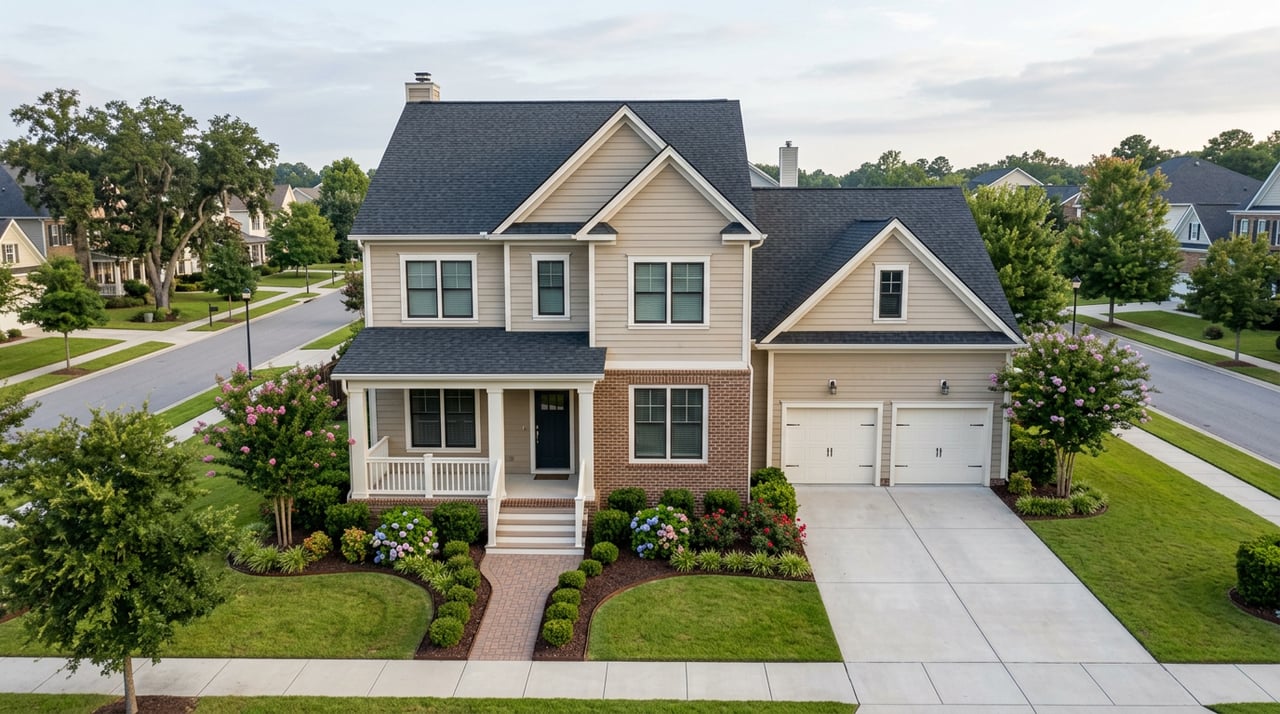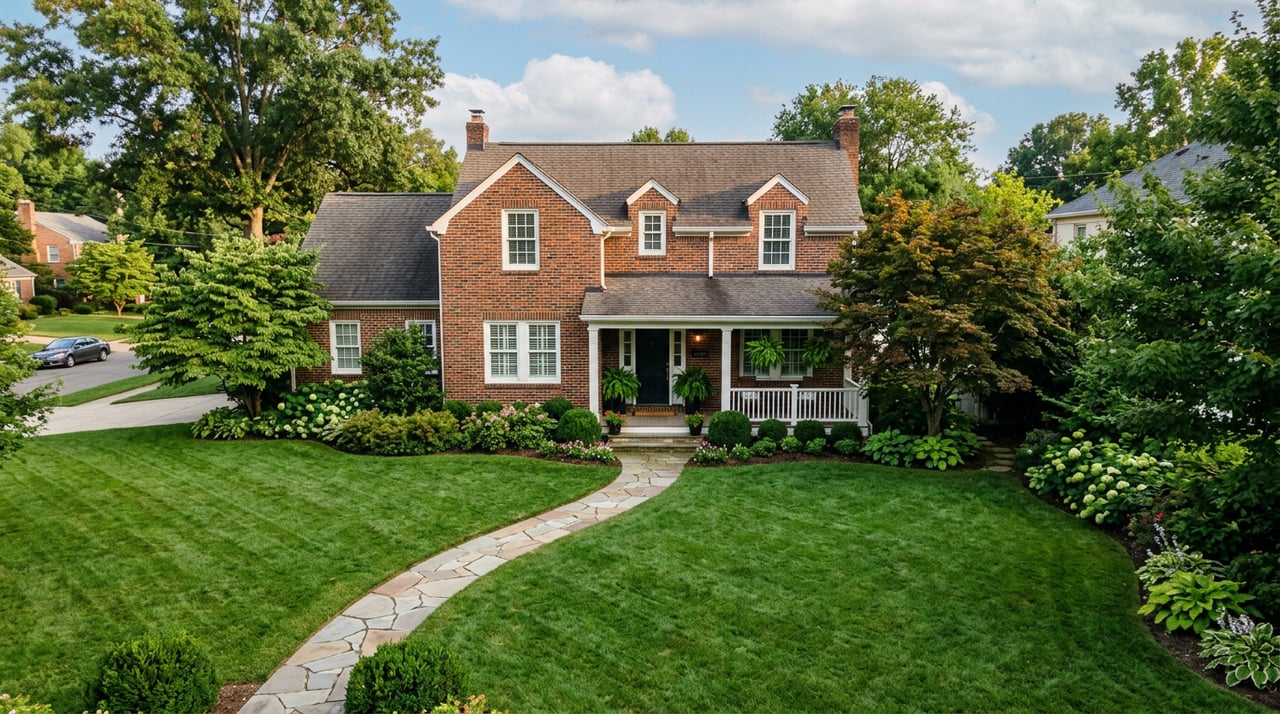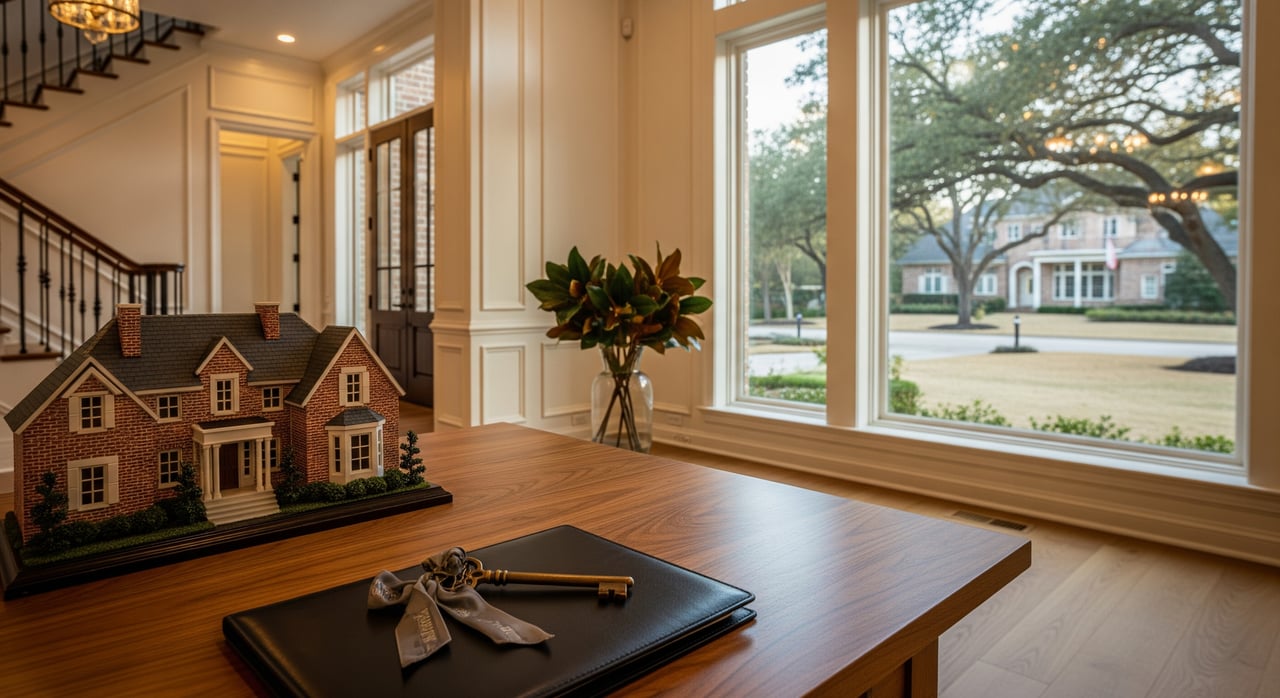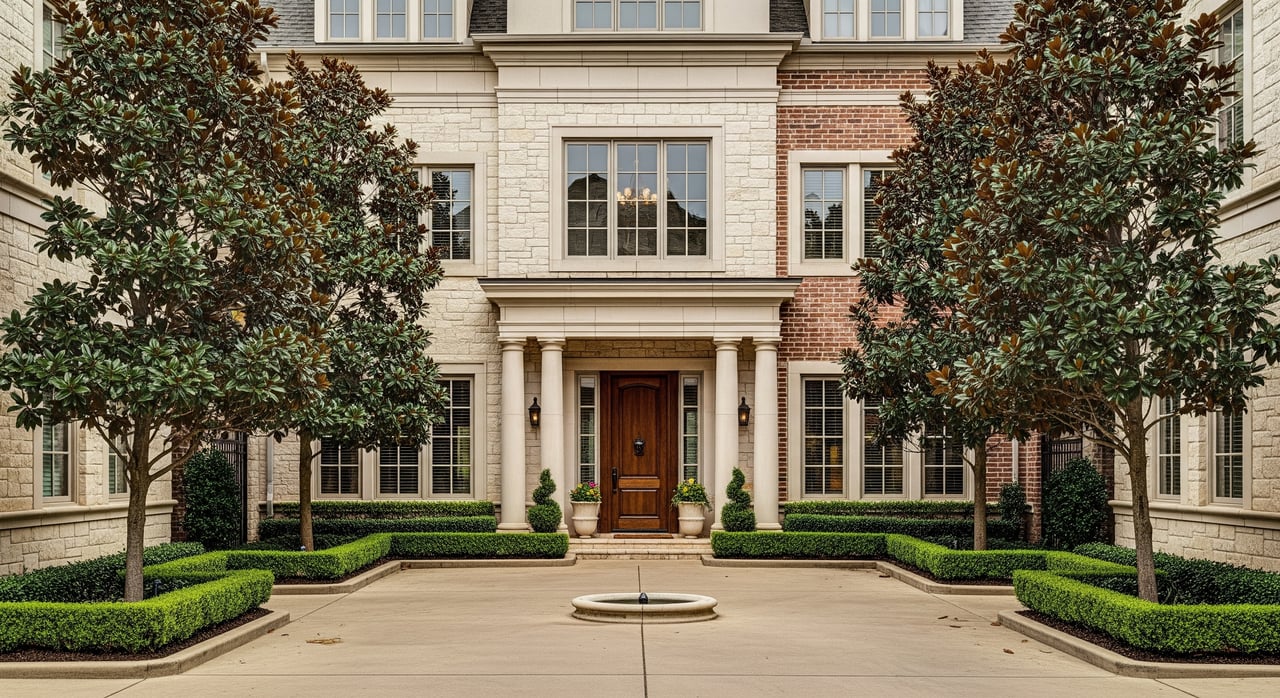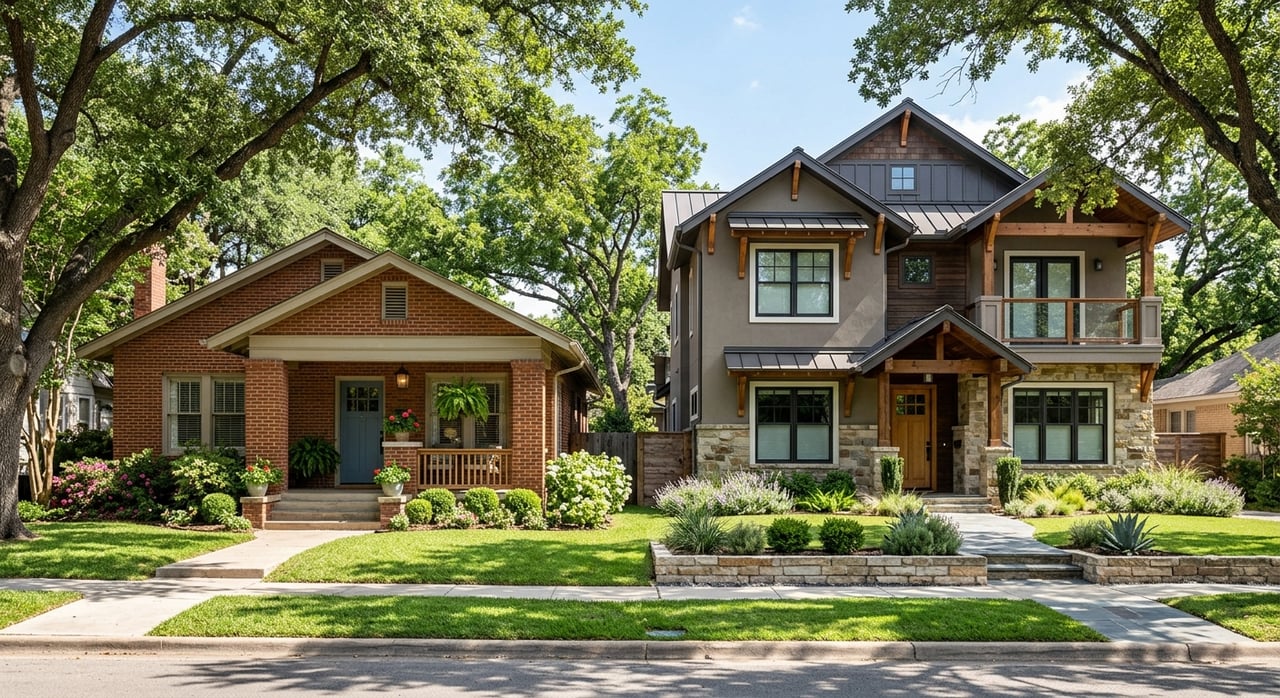
Wondering whether Richmond feels more like a historic Texas town or a newer suburban community? The answer is yes to both. If you are trying to narrow down where to live in Richmond, it helps to think in neighborhood types instead of expecting one single vibe across the whole city. This guide breaks Richmond into clear lifestyle buckets so you can compare historic areas, established neighborhoods, new master-planned communities, and edge-of-town options with more confidence. Let’s dive in.
Richmond has four neighborhood styles
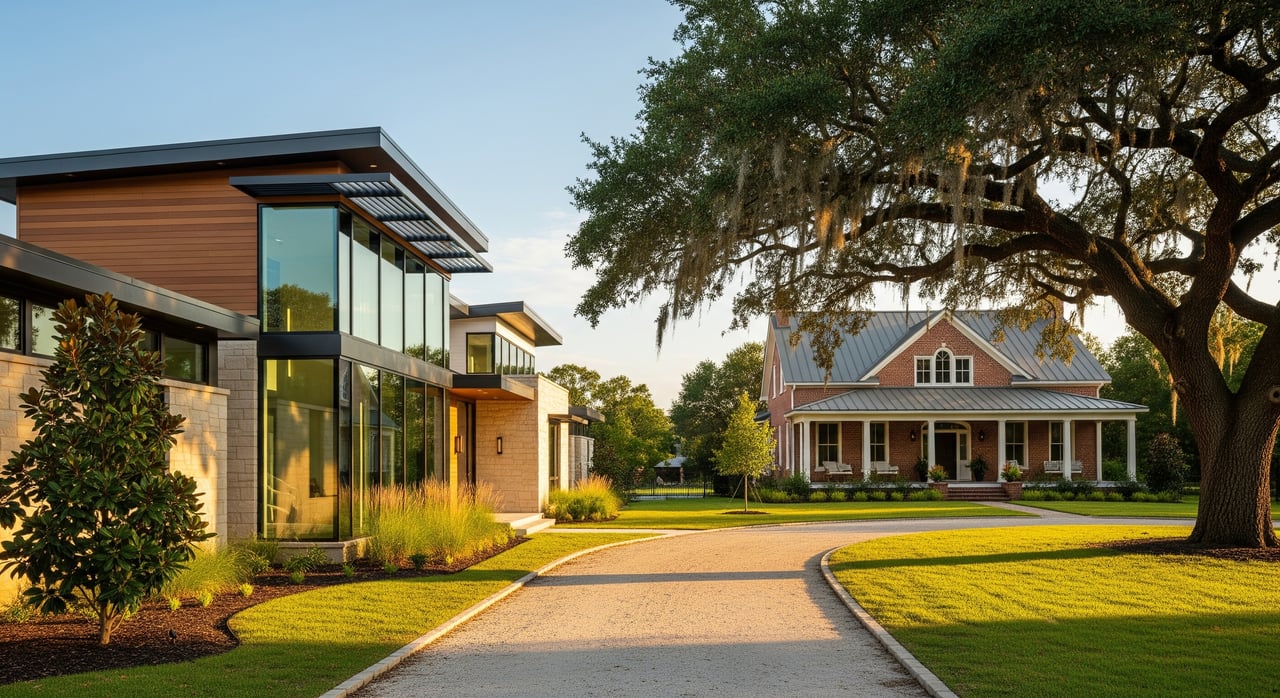
Richmond is best understood as a mix of distinct neighborhood experiences. The city sits on the Brazos River and includes a historic county-seat core, while newer growth continues in suburban-style communities and in the ETJ, or extraterritorial jurisdiction, where more developable land remains.
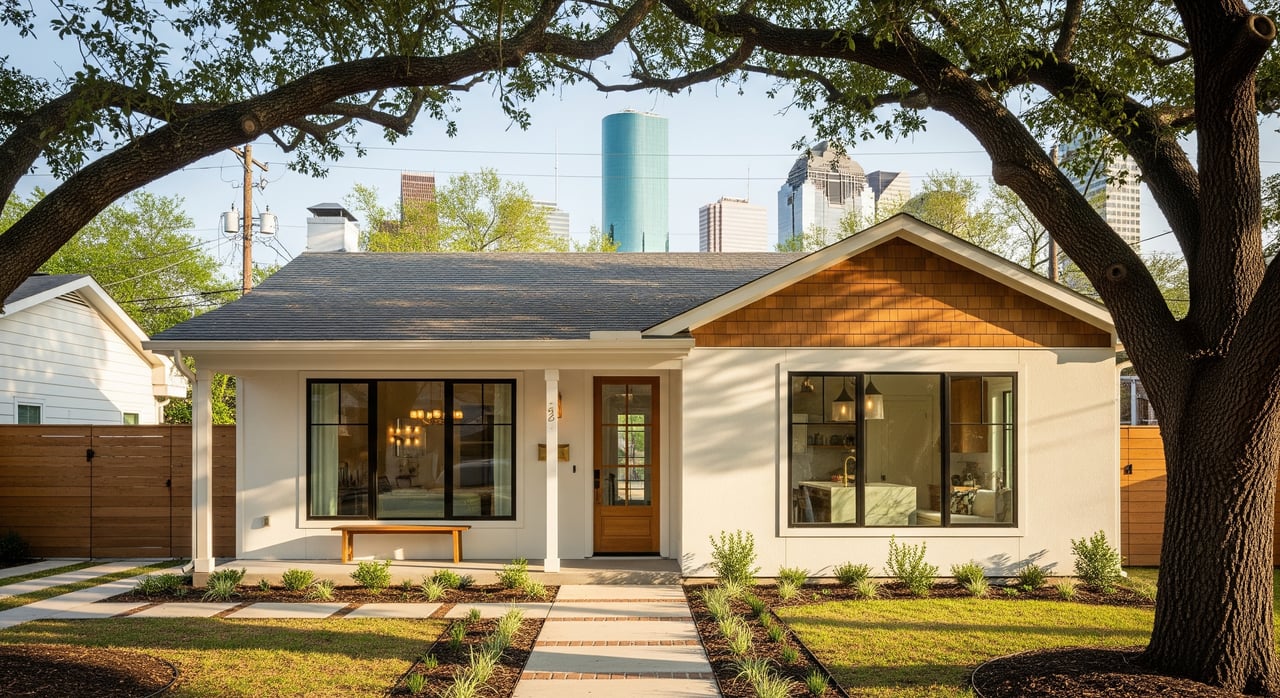
That matters if you are buying a home here. One part of Richmond may offer historic streets and older homes, while another may offer newer construction, planned amenities, and more uniform streetscapes. In practical terms, Richmond gives you four main choices: historic in-town living, older established suburbs, newer master-planned communities, and semi-rural edge properties.
Historic Richmond: Olde Town and the Historic District
If you want character and a stronger sense of place, Richmond’s historic core is the natural starting point. Olde Town sits on the west bank of the Brazos River and centers around Morton Street between 2nd and 5th Streets, with the broader Downtown and Historic District covering about 100 blocks.
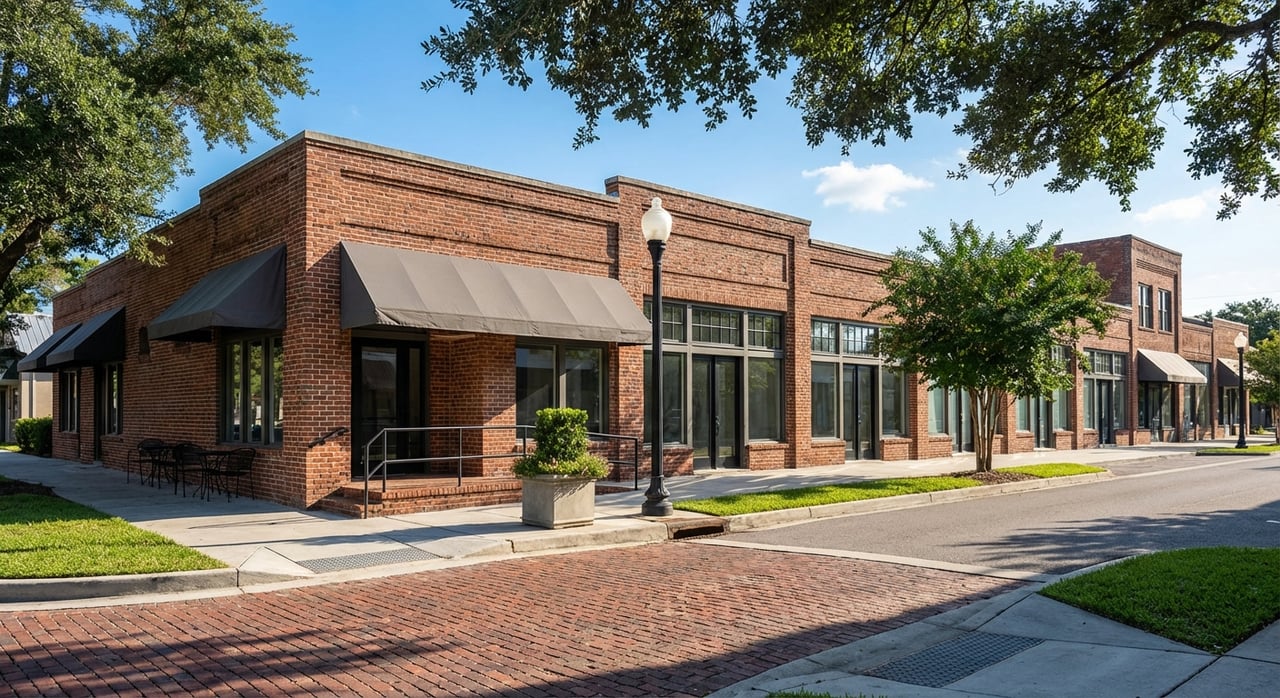
This area has a more traditional, in-town feel than much of the surrounding market. The district includes historic homes, the courthouse area, and riverfront spaces, and the city describes downtown as pedestrian-friendly with local businesses, antique shops, cafés, restaurants, and public events.
What buyers should know about historic homes
Historic Richmond can appeal to buyers who value older architecture and a neighborhood with visible local history. Some buildings in the historic district date back to the 1870s, and the city’s Historic Overlay District plays a real role in how the area is preserved.
That means exterior changes may be reviewed in certain historic areas. The city also notes that new infill should fit traditional pre-1950 building shapes and materials, so buyers should go in with clear expectations about design rules and long-term upkeep.
Why this area feels different
Olde Town does not feel like a typical new subdivision. Lot patterns can be older, the streetscape is more rooted in the city’s past, and the overall experience is tied more closely to downtown activity and the riverfront than to amenity centers or HOA-driven planning.
For some buyers, that is the whole appeal. If you want Richmond to feel like a real town with history rather than a newer suburban buildout, this is often the clearest expression of that lifestyle.
Practical watch-outs in the historic core
Historic charm comes with a few extra questions. Buyers should verify any historic overlay requirements, review what kinds of exterior changes may need approval, and pay close attention to lot-specific flood-hazard information in areas near the river.
In other words, this is a neighborhood type where due diligence matters. The character can be hard to replicate, but the details deserve a closer look before you make an offer.
Established suburbs: neighborhoods like Pecan Grove
If historic homes are not your style, Richmond also has older established suburban neighborhoods. Pecan Grove is one of the clearest examples, with more than 2,100 homes and roots going back to 1973.
This type of neighborhood usually appeals to buyers who want a more settled feel. You often see mature landscaping, long-term resident ownership, and a neighborhood identity that has developed over time rather than being created all at once by a newer developer.
What makes established neighborhoods appealing
Pecan Grove is known for a golf-course-oriented setting and a quieter, established environment. Official neighborhood materials highlight walking, neighbor interaction, and a community feel that differs from the polished, newly built look of a master-planned development.
For many buyers, that maturity is a plus. You may prefer a neighborhood where the trees are larger, the layout feels less brand-new, and the area has a longer track record.
Rules still matter here
Established does not mean unstructured. In Pecan Grove, the POA manages deed restrictions and architectural control requests, including exterior improvements.
That is important when comparing older neighborhoods with newer ones. Even if the homes are not new, upkeep expectations and review processes can still play a major role in how the neighborhood looks and functions.
New Richmond: master-planned communities
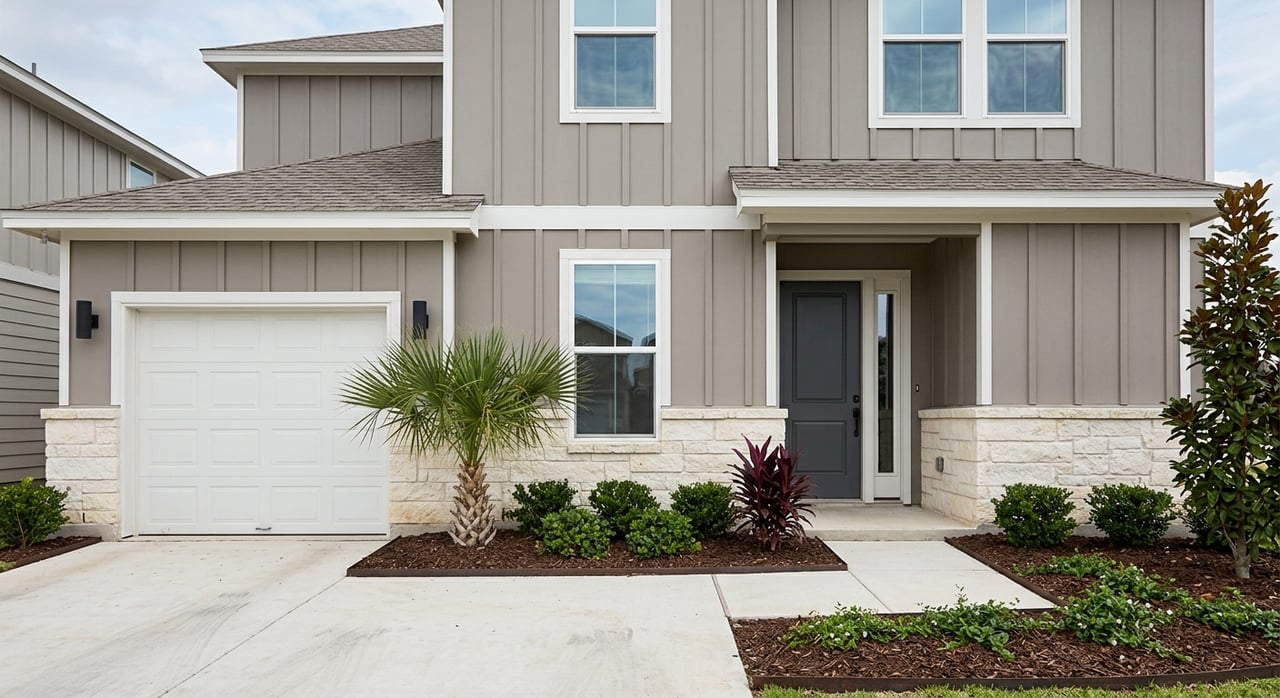
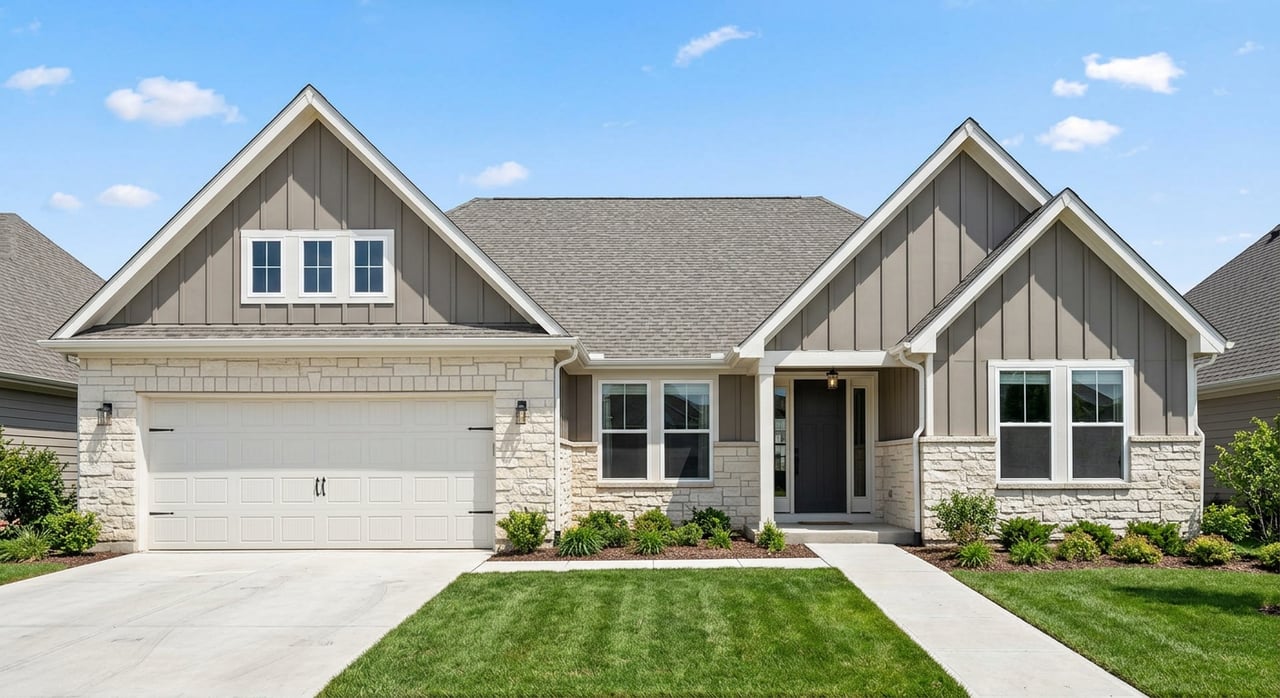
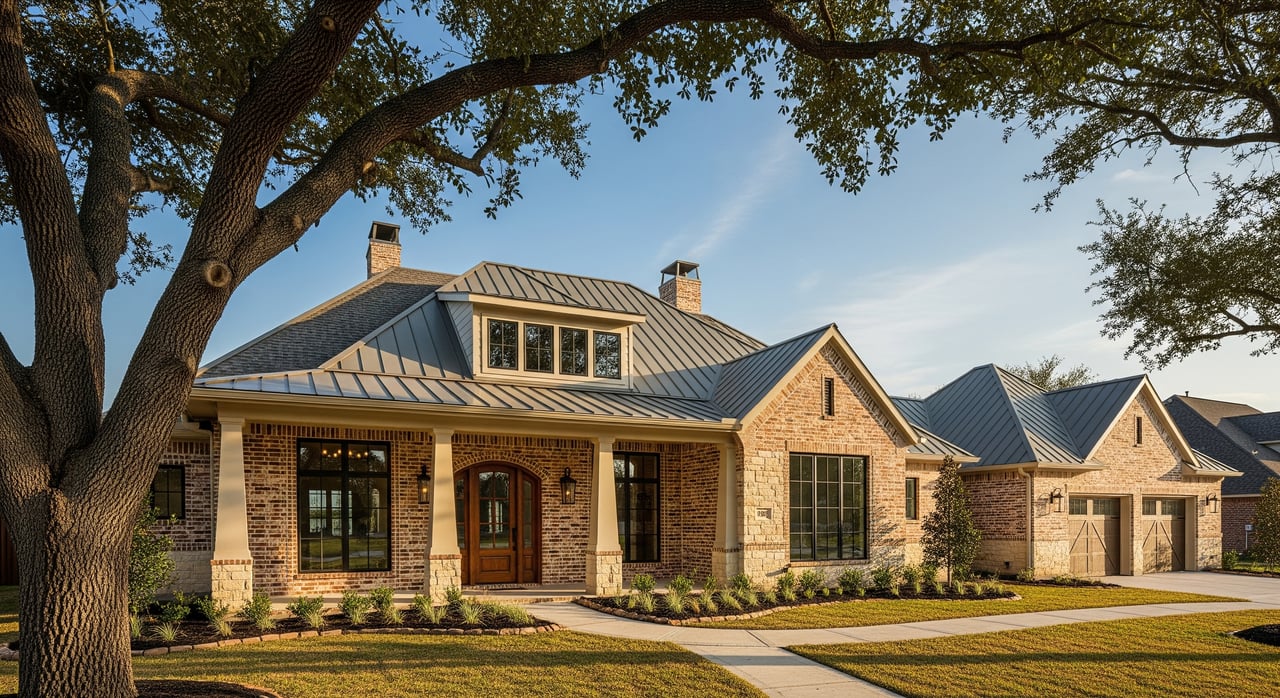
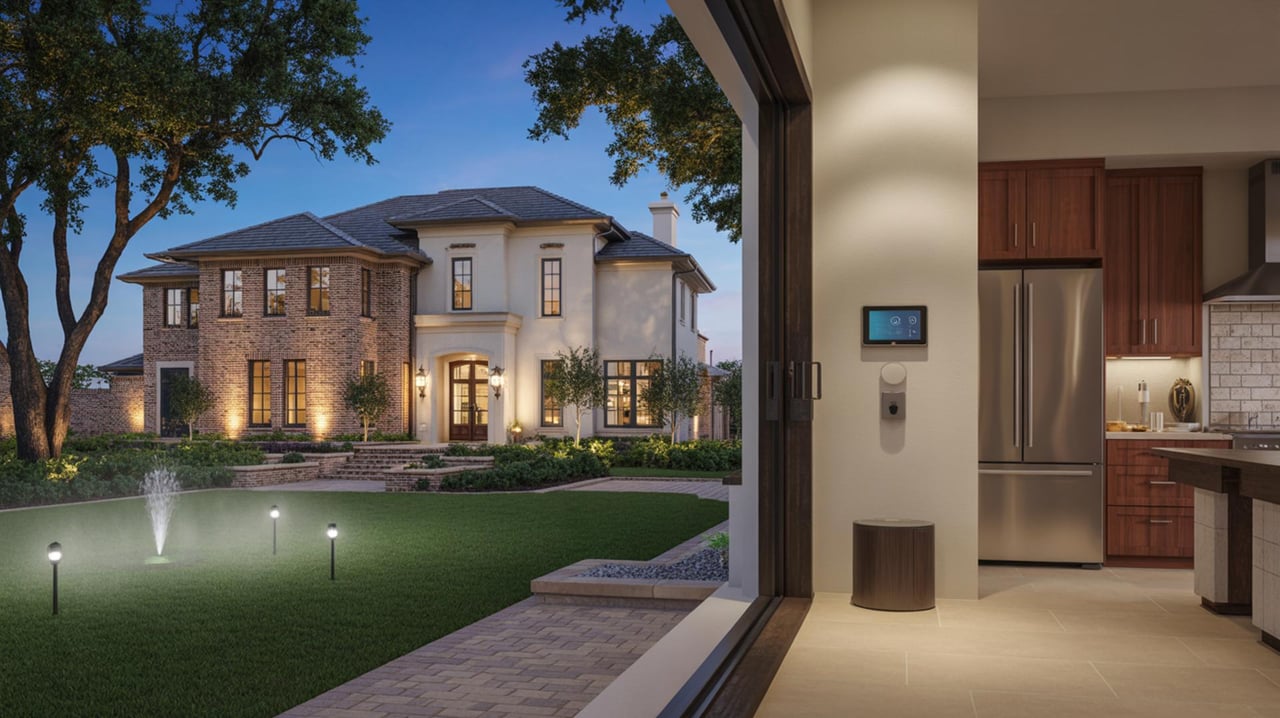
For many buyers, the biggest part of the Richmond story is newer master-planned development. These communities tend to offer newer construction, HOA structure, planned amenities, and a more predictable suburban layout.
If you are comparing newer homes in Richmond, four names come up often: Harvest Green, Veranda, Aliana, and Candela. Each has a different personality, but all reflect the newer-growth side of the market.
Harvest Green: outdoor living and agrihood style
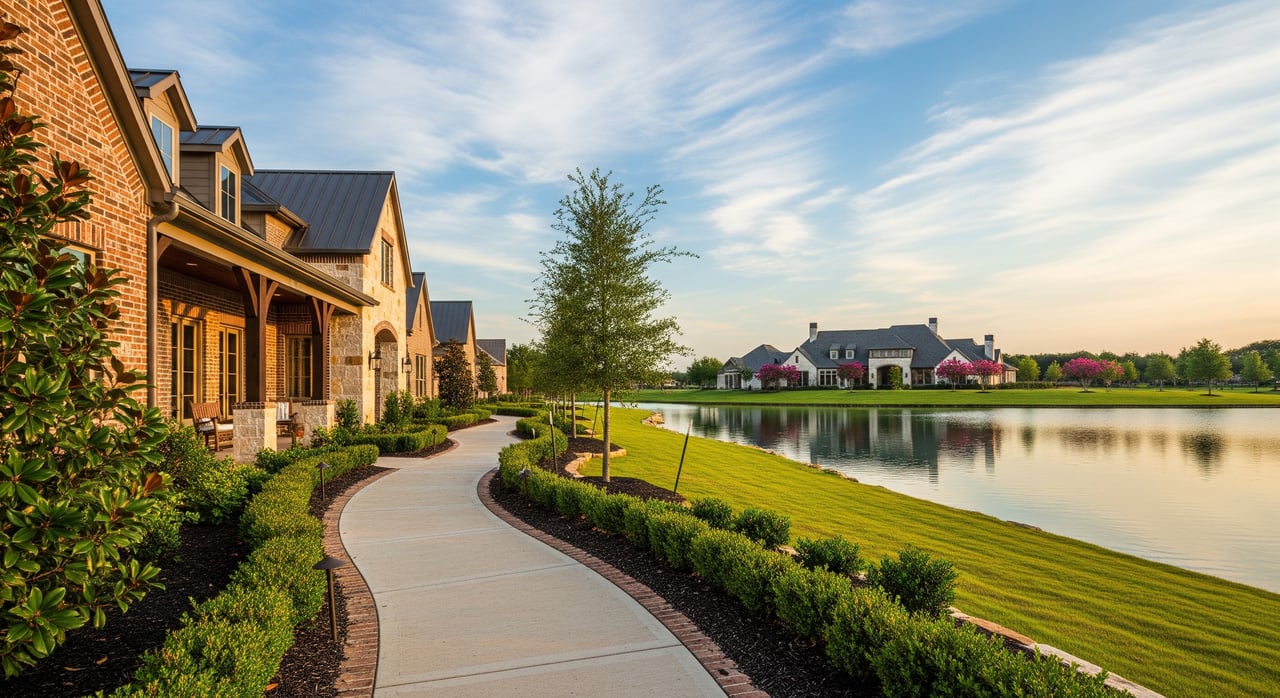
Harvest Green stands out because it is built around an agrihood concept rather than just standard suburban amenities. The community spans 1,700 acres and includes a 12-acre working Village Farm, more than 130 acres of lakes and waterways, 470 acres of greenbelts and open space, and a 20-mile walkable trail system.
Its amenities include a pool and splash pad, fitness center, parks, event center, tennis and volleyball courts, a dog park, and a lifestyle director. Buyers who want newer homes but also care about trails, green space, outdoor activity, and a farm-to-home theme often find Harvest Green especially appealing.
Veranda: new homes with a historic nod
Veranda offers a newer master-planned setting with design inspiration tied to local history. The community says it was designed to reflect the spirit of the historic Veranda Hotel and focuses on connections to the past, nature, and neighbors.
It also gives buyers a range of builder choices, with eight builders represented. Amenities include The Cottage House, a pool, fitness center, splash zone, playgrounds, event lawn, hike-and-bike trails, yoga lawn, and dog park.
Aliana: large-scale suburban living
Aliana is one of the larger master-planned communities in the Richmond area. It spans 2,000 acres, includes 13 neighborhoods, and is expected to have roughly 4,200 to 4,300 homes at buildout.
This is a strong fit if you want a larger community with extensive amenities and club-style access. The neighborhood features The Club at Aliana, The Westmoor Club, pools, fitness centers, tennis courts, and parks.
One detail buyers should not overlook is governance. A Richmond mailing address does not always mean city governance, and Aliana notes that its streets are governed by Fort Bend County.
Candela: newer homes and commuter convenience
Candela is another newer Richmond option for buyers who want modern construction and a more current suburban layout. The community covers 578 acres and offers more than 50 home designs, along with homes from the 300s.
Amenities include the Axis Amenity Center, water features, outdoor spaces, Sunshine Park, a resort-style pool, a fitness center, a yoga lawn, and a future dog park. Candela also emphasizes access to Highway 90, the Westpark Tollway, and the Grand Parkway, which makes it especially relevant for buyers who value commuting convenience.
Edge-of-market options: more land and privacy
Not every Richmond-area buyer wants a traditional neighborhood setup. Some people are looking for more land, more privacy, and a less conventional subdivision feel.
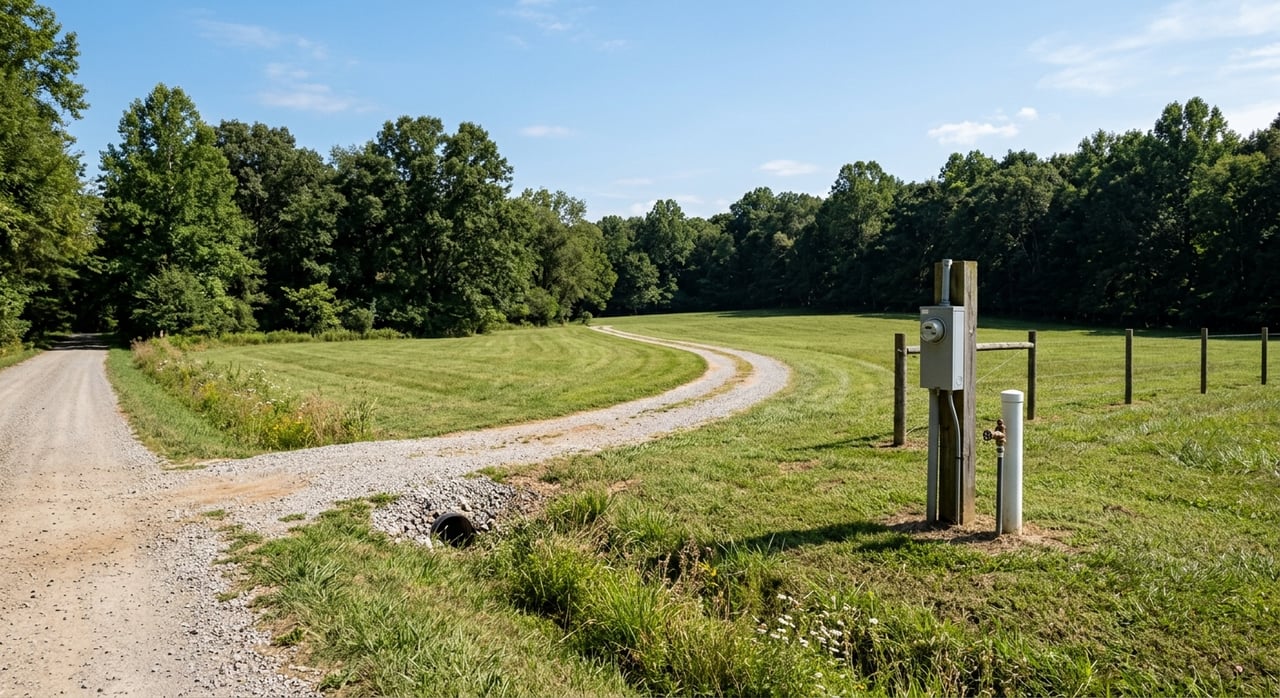
Richmond’s own planning documents point to future growth in the ETJ, where more developable land remains available. That helps explain why larger-lot and acreage-style options are often part of the broader Richmond-area conversation, especially along the market’s outer edges.
What semi-rural living can look like
A nearby example is Weston Lakes in Fort Bend County. The city describes it as a mostly rural area near the Brazos River with about 1,500 home sites, private roads, a golf course, a country club, and property types ranging from zero-lot-line patio homes to lots with several acres.
This kind of option may suit buyers who want extra space more than they want neighborhood walkability or a large amenity package. The tradeoff is usually greater reliance on driving for errands, dining, and day-to-day activities.
How to compare Richmond neighborhoods
If you are trying to choose between Richmond neighborhood types, start with lifestyle before square footage. A beautiful home can still feel like the wrong fit if the surrounding area does not match how you want to live.
Here are a few smart questions to ask as you compare:
- Do you want historic character or newer construction?
- Do you prefer a central in-town feel or a suburban master-planned layout?
- How important are trails, pools, clubs, or community events?
- Would you rather have mature surroundings or a newer home design?
- Do you want more land, even if it means less walkability?
- Are HOA, POA, MUD, or architectural-review rules a concern for you?
- Does the neighborhood fall under city, county, or other local governance?
Those questions can save you time. In Richmond, two neighborhoods may share a mailing address but offer very different rules, taxes, services, and daily routines.
The big takeaway on Richmond
Richmond is not one-note. It can feel historic and walkable in one area, mature and neighborhood-centric in another, amenity-heavy and newly built in another, and more open and semi-rural on the edges.
That range is one of Richmond’s strengths. Whether you are drawn to Olde Town character, an established neighborhood like Pecan Grove, a master-planned community such as Harvest Green or Veranda, or more land near the edge of the market, Richmond offers multiple paths depending on what matters most to you.
If you want help sorting through Richmond neighborhoods and matching your home search to your lifestyle, Denise Moore can help you compare the details that matter and move forward with confidence.
FAQs
What types of neighborhoods are available in Richmond, TX?
- Richmond generally offers four main neighborhood types: historic in-town areas, older established suburban neighborhoods, newer master-planned communities, and semi-rural edge properties.
What is the historic district like in Richmond, TX?
- Richmond’s historic core includes Olde Town and the broader Downtown and Historic District, with historic homes, the courthouse area, riverfront character, and a more traditional in-town feel centered around Morton Street.
Where can you find newer homes in Richmond, TX?
- Some of the clearest examples of newer construction in Richmond are master-planned communities such as Harvest Green, Veranda, Aliana, and Candela.
Are Richmond, TX neighborhoods always governed by the city?
- No. Some neighborhoods with a Richmond mailing address may be in the ETJ or governed by Fort Bend County, an HOA, a POA, or a MUD rather than by the city itself.
What should buyers check before choosing a Richmond, TX neighborhood?
- Buyers should compare governance, HOA or POA rules, architectural-review requirements, tax structure, lot-specific property details, and the overall lifestyle fit of each neighborhood.
Where can you find more land near Richmond, TX?
- Buyers looking for more land often look toward the ETJ and nearby rural Fort Bend areas, where larger lots and acreage-style properties are more common than in the historic core or newer subdivisions.