If the house that once fit your life perfectly now feels like more upkeep than comfort, you are not alone. In Sugar Land, many longtime owners are starting to ask whether a smaller, easier-to-manage home could better match this next season of life. The good news is that downsizing does not have to feel rushed or overwhelming, and with the right plan, it can be a thoughtful move that protects your routine, your finances, and your peace of mind. Let’s walk through it.
Why downsizing is on the radar in Sugar Land
Sugar Land is a city with many established homeowners, and that matters when you think about downsizing. The U.S. Census QuickFacts for Sugar Land estimate a 2024 population of 109,851, with 19.3% of residents age 65 or older and an owner-occupied housing rate of 80.3%. The same source reports a median owner-occupied home value of $430,200, which suggests many longtime owners may have built substantial equity over time.
That equity can open options. You may be able to move to a smaller home, reduce ongoing maintenance, or reshape your monthly expenses while staying close to the people and places you know. For many owners, the goal is not simply to move less house, but to create more ease.
What today’s market means for your move
If you are wondering whether this is a realistic time to sell, the local market is still moving. Redfin’s Sugar Land housing market snapshot for February 2026 shows a median sale price of $418,495, an average of about 45 days on market, and a 95.8% sale-to-list ratio.
That does not mean every home sells instantly, and it does not mean pricing should be aggressive. It does mean the market is active enough that a well-prepared home with realistic pricing can attract buyers. If you are downsizing, timing the sale and your next purchase carefully can help the whole process feel much more manageable.
Start earlier than you think
One of the kindest things you can do for yourself is give this process more time. AARP’s home sale checklist recommends thinking in terms of a one-year runway, especially for longtime owners who have many years of belongings, paperwork, and memories tied to one home.
That does not mean every move takes a full year. It means downsizing usually goes more smoothly when you can make decisions in stages instead of all at once. Extra time gives you room to sort, donate, repair, and plan without turning every weekend into a scramble.
A gentle downsizing timeline
Here is a simple way to think about the process:
- 9 to 12 months out: Start discussing your goals, budget, and ideal lifestyle for the next home.
- 6 to 9 months out: Begin decluttering room by room and identify items you want to keep, donate, sell, or discard.
- Around 6 months out: Choose your Realtor and begin building your support team if needed.
- 3 to 6 months out: Prepare the current home for the market and narrow down what type of next home fits best.
- 1 to 3 months out: Finalize moving plans, complete paperwork, and coordinate showings, packing, and closing timelines.
A slower pace can make hard decisions easier. It also gives you time to think clearly about what you want your next home to solve.
Focus on what the next home should fix
Downsizing works best when you frame it as a lifestyle decision, not just a square-footage decision. According to AARP’s 2024 Home and Community Preferences Survey, many adults 50-plus want to stay in their current home and community as long as possible, yet 44% expect to relocate at some point.
The same survey helps explain why people consider a move. Among adults 50-plus, 71% cite rent or mortgage costs, 60% want to lower housing and maintenance costs, and 55% cite property taxes. Those concerns are practical, and they often point to the same question: what kind of home would make everyday life easier?
Features worth considering
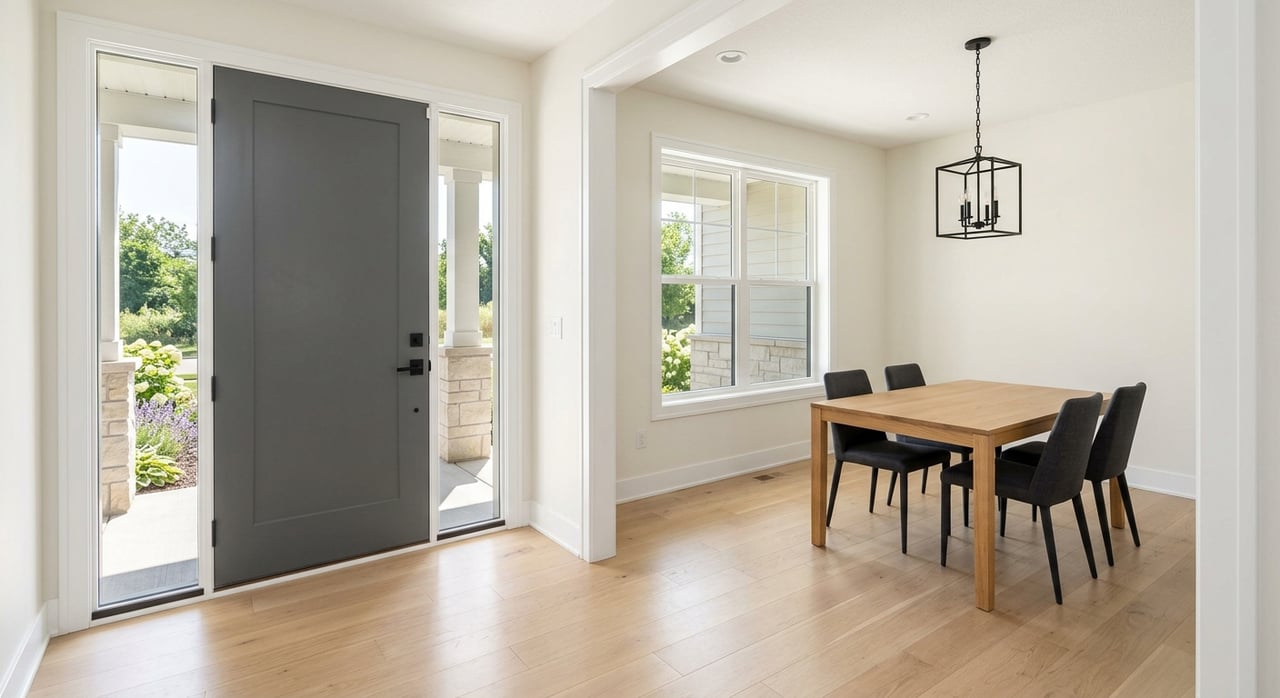
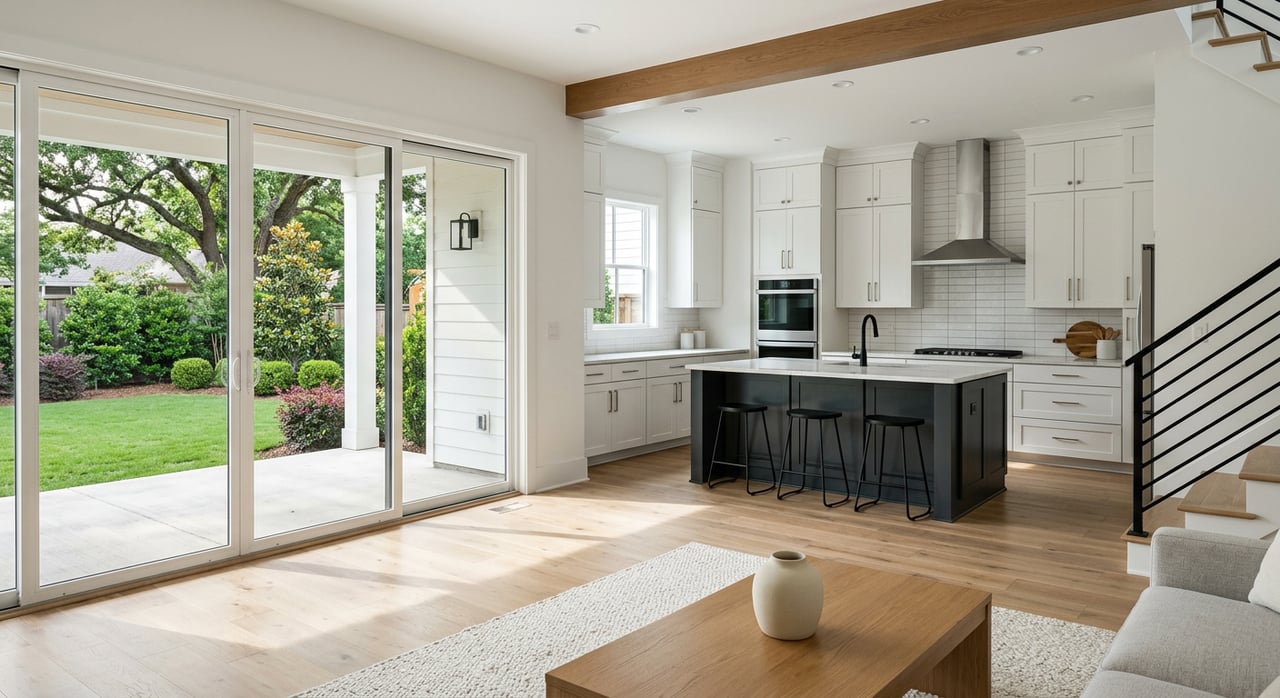
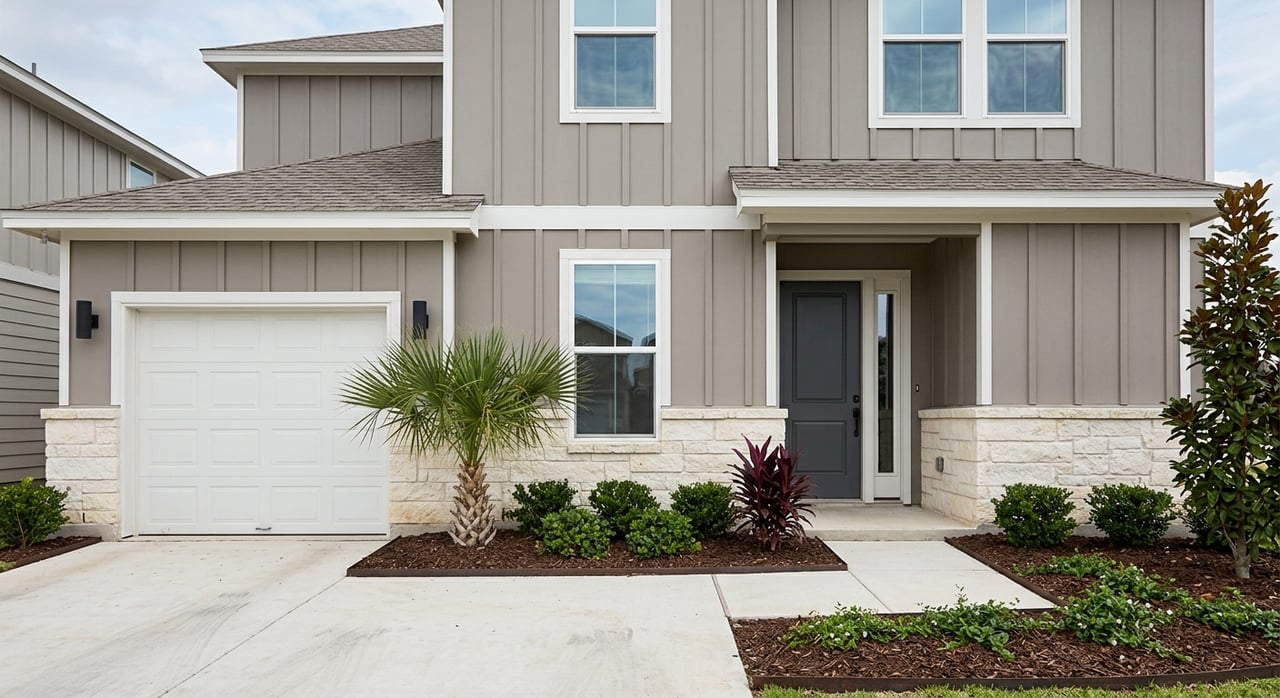
Your best next home may be a smaller single-family home, a townhome, or a condo. The right fit depends on your budget, mobility, storage needs, and how much maintenance you want to handle yourself.
As you compare options, think about whether you want:
- Fewer stairs or single-story living
- Less yard work and exterior maintenance
- A simpler layout with less unused space
- Lower monthly housing and upkeep costs
- Easier access to routines, shopping, recreation, or transit
AARP’s survey also notes that many older adults still prefer single-family homes, so there is no one-size-fits-all answer. A lower-maintenance move should feel like a better fit for you, not like a compromise someone else chose for you.
Decluttering without feeling overwhelmed
For many longtime owners, the hardest part is not selling the house. It is deciding what to do with decades of belongings. That is completely normal, and it is one reason to start early.
AARP’s decluttering advice recommends avoiding a vague “maybe” pile. Instead, sort items into four clear categories:
- Keep
- Donate
- Sell
- Toss
This simple system reduces second-guessing. AARP also recommends getting the floor plan for your next home, or at least knowing the room sizes and layout, so you can decide what will realistically fit before moving day.
A few decluttering tips that help
Try these practical steps:
- Start with low-emotion spaces like bathrooms, linen closets, or the garage.
- Work in short sessions so the process stays manageable.
- Keep one box for important paperwork that should stay with you.
- Measure large furniture before assuming it will fit in the new home.
- Remember that fewer items can mean lower moving costs.
Decluttering is not about throwing away your history. It is about choosing what still supports your life now.
Consider extra help if the move feels heavy
You do not have to do every part of this alone. If the process feels physically tiring or emotionally difficult, a professional support team can make a major difference.
According to the National Association of Senior & Specialty Move Managers, senior move managers help with downsizing, packing, unpacking, space planning, and coordinating vendors. NASMM also says its members carry liability insurance and follow a code of ethics, and certified members complete rigorous coursework and experience requirements.
That kind of help can be especially useful if you are moving after many years in one home, helping a parent move, or balancing a sale with estate-related details. Sometimes the biggest relief comes from having someone else manage the moving pieces.
Do not overlook tax details in Texas
For many Sugar Land homeowners, taxes are one of the most important parts of a downsizing decision. In Texas, property taxes are handled by local taxing units, and homeowners generally apply for exemptions through the appraisal district where the property is located.
The Texas Comptroller’s property tax exemption guidance says the mandatory school-district residence homestead exemption is $140,000, and homeowners who are age 65 or older or disabled receive an additional $60,000 school exemption. Local taxing units may also offer other exemptions.
Timing matters for exemptions
If you are planning a move, paperwork timing is worth discussing early. The Comptroller notes that the general deadline for filing a homestead exemption is before May 1. Fort Bend CAD also says over-65 applicants can apply on or after their 65th birthday, and the exemption is effective January 1 of the year applied.
That can affect how you budget for the current home and the next one. A little planning here can prevent surprises later.
Your tax ceiling may transfer
This is one of the most important details for older homeowners in Fort Bend County. According to Fort Bend CAD guidance, if you already have an over-65 or disability tax ceiling, that ceiling can transfer to a new Texas homestead. The percentage of school taxes paid on the former home transfers, not the dollar amount.
That distinction matters when you compare the cost of staying put versus moving. It is one reason a downsizing decision should include a close look at both home prices and property-tax implications.
A condo or townhome can still qualify
If you are considering a lower-maintenance property, you may wonder whether you will lose homestead treatment. Fort Bend CAD says a condo or townhome can still qualify as a homestead if you own the home and live in it.
That is helpful because downsizing in Sugar Land does not have to mean giving up the tax protections that matter to your monthly budget. Attached housing may still fit your long-term plan.
Keep capital gains and title issues in view
Taxes on the sale itself may or may not be a concern, depending on your situation. The IRS guidance on selling a main home says qualified homeowners may exclude up to $250,000 of gain, or $500,000 for many married couples filing jointly, if the ownership and use tests are met.
Some situations are more complex, especially if the home has been used for business, rental purposes, or has inherited-title issues. If title is unclear or the property is heir property, the same IRS page and Texas resources point to the value of speaking with a CPA, attorney, or legal-aid resource before listing. Clear answers early can help the sale move more smoothly.
Think about safety, not just size
A smaller home can do more than reduce maintenance. It can also support safer daily living if that is becoming a priority.
The CDC’s fall prevention guidance recommends practical steps such as removing throw rugs, improving lighting, and adding grab bars or other modifications where needed. When you evaluate your next home, it helps to think beyond square footage and ask how well the layout supports comfort and mobility.
Questions to ask about the next home
As you tour homes, consider:
- Is there a bedroom and full bath on the main level?
- Are hallways, entries, and bathrooms easy to navigate?
- Is the lighting strong and even?
- Would flooring reduce trip hazards?
- Will the home be easy to maintain over time?
These are not just future-facing questions. They are quality-of-life questions for right now.
Staying connected in Sugar Land
For many longtime owners, the best version of downsizing is one that keeps them close to familiar routines. That may mean staying near friends, favorite shops, faith communities, recreation, or places where you already spend your time.
Sugar Land offers resources that can help support that continuity. The city’s T.E. Harman Center provides programs for adults 50+, and city information about senior center and community needs reflects the broader value of staying connected to local services and activities. Fort Bend Transit is also part of the local support system mentioned in city resources.
That is why downsizing does not have to mean leaving your community behind. In many cases, it simply means choosing a home that makes it easier to keep enjoying it.
How Denise can help you move gently
A successful downsizing move usually involves more than a sign in the yard. It takes planning, pricing, timing, vendor coordination, and a steady hand through a lot of decisions.
That is where working with an experienced local guide can make the process feel lighter. Denise brings hyperlocal Sugar Land and Fort Bend knowledge, patient communication, and a relationship-first approach that fits life-event moves like this one. If you want a thoughtful plan for selling your current home and finding a better-fit next home nearby, Denise Moore is here to help you take the next step with clarity and care.
FAQs
When should I start downsizing in Sugar Land?
- AARP’s checklist suggests starting months ahead, often with up to a year of runway, so you have time to declutter, plan repairs, and coordinate your sale and move.
What should I do first when downsizing from a longtime home?
- Start by identifying what you want your next home to solve, then sort belongings into keep, donate, sell, or toss and use room sizes or a floor plan to decide what will fit.
How do over-65 property tax benefits work after moving in Fort Bend County?
- Fort Bend CAD says an over-65 or disability tax ceiling may transfer to a new Texas homestead, with the percentage of school taxes paid on the former home transferring rather than the dollar amount.
Can a Sugar Land condo or townhome still qualify for a homestead exemption?
- Yes, Fort Bend CAD says a condo or townhome can still qualify as a homestead if you own the home and live in it.
Do I need professional help for a downsizing move in Sugar Land?
- You may not need extra help, but if the move feels physically or emotionally heavy, a senior move manager, attorney, CPA, organizer, or experienced Realtor can make the process much easier.