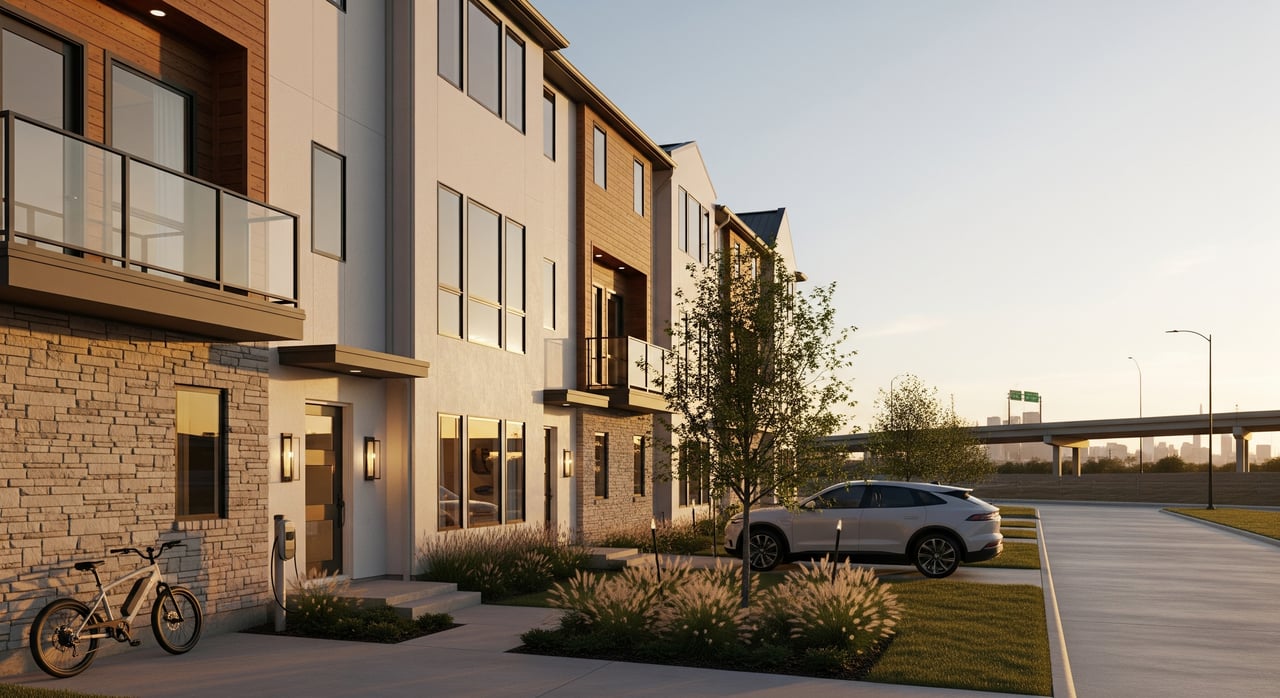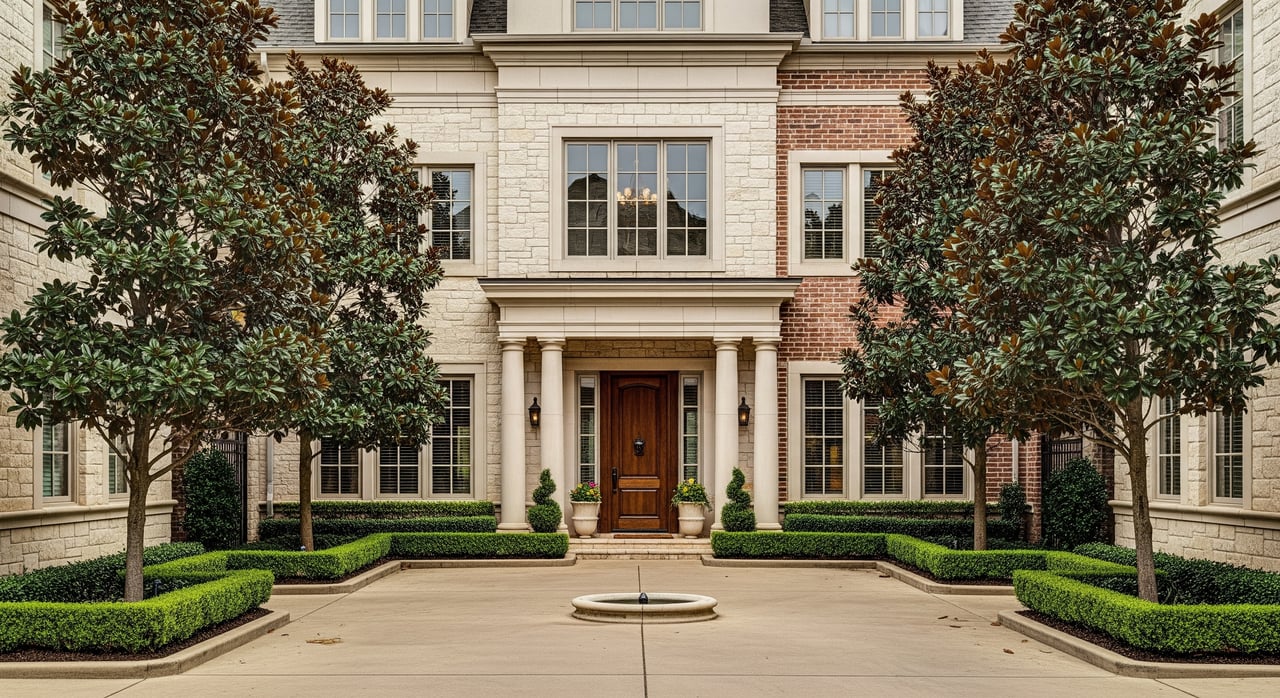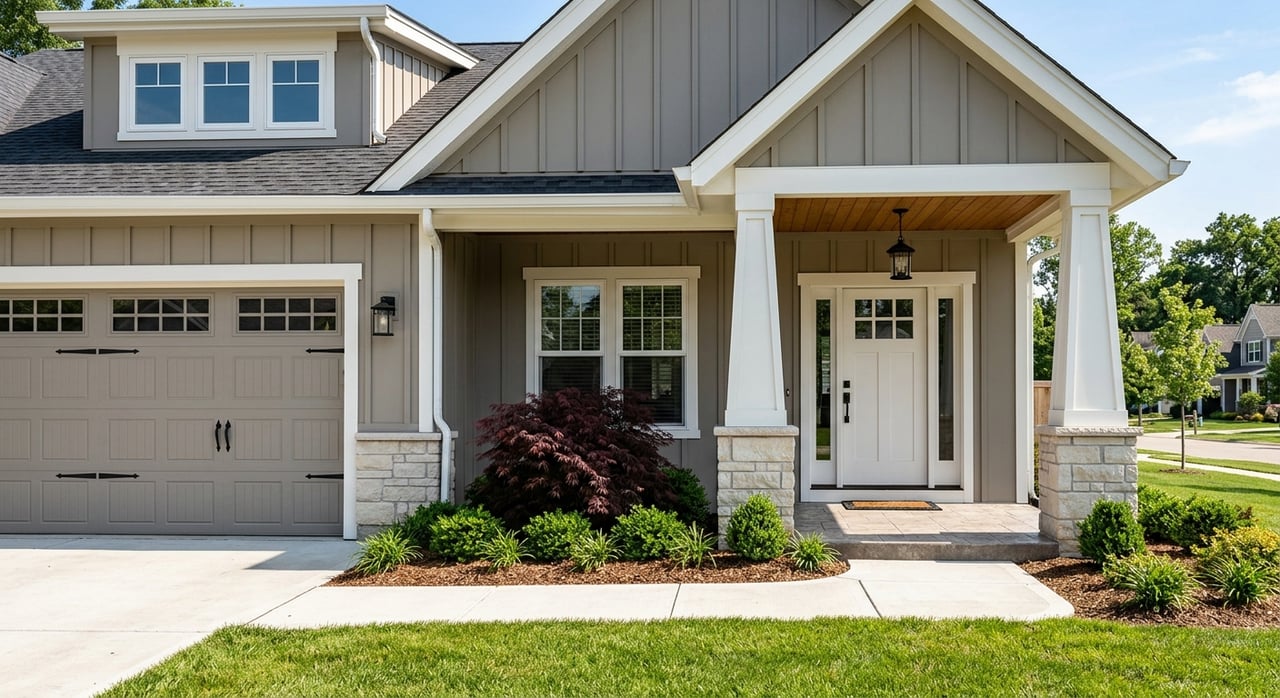
Thinking about a move to Houston, but not sure which suburbs should make your shortlist? If you want more than a simple bedroom community, Fort Bend County deserves a close look. It gives you access to Houston while offering distinct city centers, major employers, healthcare options, and a range of weekend amenities. Let’s dive in.
Why Fort Bend Gets Attention
Fort Bend County sits in Houston’s southwest suburban ring and continues to stand out for relocation buyers. According to the county sheriff’s office, Fort Bend has nearly 900,000 residents, 16 incorporated municipalities, and 21 unincorporated communities. The same source also notes it is the most diverse county in Texas.
That matters because relocation is rarely just about finding a house. You are also choosing a daily routine, commute pattern, and community feel that fits your life. In Fort Bend, you can compare several suburban settings without giving up practical access to the greater Houston area.
Fort Bend Offers Strong Houston Access
One of the biggest reasons buyers focus on Fort Bend is location. Sugar Land is about 20 miles southwest of downtown Houston, Richmond is about 31 miles from downtown, and Rosenberg describes itself as 25 miles west of Houston on I-69. Those distances help explain why the area often appeals to people moving into the region.
Just as important, buyers here often think in terms of travel corridors rather than city lines. Depending on where you work or spend time, one part of Fort Bend may feel far more convenient than another.
Key Roads Shape Daily Life
Several major roadways help connect Fort Bend to surrounding parts of the metro. The Fort Bend Parkway connects Beltway 8 with SH 6 and extends south to Sienna Parkway. The Westpark Tollway continues west to the Grand Parkway, and SH 99 Segment D runs from US 59 South in Sugar Land to I-10 West near Katy.
In practical terms, this gives you options. You may be able to target a home based on your most common drive patterns instead of feeling pulled toward central Houston. That flexibility is a big advantage when you are trying to balance work, errands, and home life.
Sugar Land Feels Like a Full-Service Hub
If you want a suburb with a strong live-work feel, Sugar Land usually stands out first. The city has one of the county’s strongest concentrations of corporate employers, with businesses across energy, biotech, manufacturing, healthcare, and technology. Official economic development materials list employers such as SLB, Texas Instruments, Applied Optoelectronics, CVR Energy, Houston Methodist Sugar Land Hospital, and Memorial Hermann Sugar Land.
That mix can be appealing if you want job access, healthcare, shopping, and recreation all within the same general area. It helps Sugar Land feel more established and self-contained than a suburb built only around housing.
Sugar Land Has Business and Healthcare Depth
Sugar Land Regional Airport adds another layer to the city’s business profile. The city’s economic development site says it is the fourth largest airport in the greater Houston area and is used regularly by more than 100 Fortune 500 companies. For relocating professionals, that points to a strong business presence beyond just office parks.
Healthcare is also a major draw. Houston Methodist Sugar Land Hospital describes itself as a full-service acute care hospital serving Fort Bend County and surrounding communities. Memorial Hermann Sugar Land is a 179-bed acute care facility offering more than 87 medical specialties.
Sugar Land Supports an Active Lifestyle
Beyond work and healthcare, Sugar Land offers a well-developed retail and recreation base. Sugar Land Town Square is known for dining, events, and specialty shopping, while First Colony Mall offers apparel, home furnishings, entertainment, and dining. If you want a suburb where errands and weekends can stay close to home, that convenience can be a real plus.
The city also maintains 27 parks, 1,174 acres of parkland, and more than 35 miles of trails. Fishing is popular at several parks, including Cullinan Park. For many buyers, that blend of indoor convenience and outdoor access makes daily life feel easier and more balanced.
Richmond Brings History and Renewal Together
Richmond offers a different feel from Sugar Land. Its appeal is tied less to large-scale retail and more to historic character, redevelopment, and local business activity. Develop Richmond highlights revitalized downtown space, small-business support, and OakBend Medical Center as important local anchors.
Downtown Richmond also brings a sense of continuity that some buyers really value. The city’s economic development materials note that downtown combines more than 200 years of history with shops, restaurants, and businesses. If you want a location with an older civic core and a growing business base, Richmond may be worth a closer look.
Richmond Keeps You Connected
Richmond’s development materials also point to direct access to I-69. For buyers relocating to the Houston area, that can make a meaningful difference when comparing communities in the southwest suburbs. Easy access routes often shape how convenient a place feels long after move-in day.
Richmond can be a strong fit if you want Fort Bend access with a setting that feels grounded in local history. It offers a different rhythm from newer master-planned and retail-centered areas.
Rosenberg Balances Retail and Open Space
Rosenberg brings yet another version of suburban living in Fort Bend. City documents describe Brazos Town Center as a master-planned mixed-use development with retail, residential, and professional space, anchored by national retailers and serving as a regional shopping and dining destination. That gives Rosenberg a strong practical side for everyday needs.
At the same time, Rosenberg also leans into nature and a more local small-town identity. This mix is a big reason some buyers find it especially appealing during a relocation search.
Rosenberg Stands Out for Recreation
Seabourne Creek Nature Park spans 208.9 acres and sits on the Great Texas Coastal Birding Trail. The city says more than 212 species have been sighted there to date. If outdoor access matters to you, that is a notable amenity to have nearby.
For broader weekend adventures, Texas Parks and Wildlife says Brazos Bend State Park is about 45 miles from downtown Houston. Together, these destinations help Rosenberg feel like more than a pass-through suburb.
Rosenberg Has a Distinct Downtown Identity
Historic Downtown Rosenberg adds another layer of appeal. The city says it is a Texas State Designated Cultural Arts District, with restored 1890s buildings, antiques, restaurants, theaters, museums, and events. That creates a noticeably different atmosphere from newer commercial centers elsewhere in the county.
If you are comparing Fort Bend communities, Rosenberg can stand out because it combines regional shopping with a more traditional downtown setting. Not every Houston suburb offers both.
Fort Bend Gives You Real Variety
One reason Fort Bend stays high on relocation lists is that it does not offer just one type of suburb. Sugar Land is the county’s most established corporate, retail, and hospital hub. Richmond blends history, redevelopment, and local business activity. Rosenberg combines retail convenience, outdoor amenities, and a distinct downtown character.
That variety is helpful when you are relocating because your priorities may not match someone else’s. You might care most about commute corridors, while another buyer is focused on healthcare access or weekend recreation. In Fort Bend, you can compare several different lifestyles within the same broader market.
What Relocating Buyers Should Compare
If you are narrowing your search, start with the factors that affect your everyday experience most:
- Commute routes: Look at which roads you are most likely to use each week.
- Employment access: Consider whether you want to be near major business and healthcare centers.
- Daily convenience: Compare shopping, dining, and service options close to home.
- Recreation style: Think about whether you prefer parks and trails, retail hubs, or historic downtown settings.
- Overall feel: Each city in Fort Bend has its own pace and identity.
When you focus on these basics, your search becomes much clearer. Instead of asking which suburb is “best,” you can ask which one fits your routine and goals.
Why Local Guidance Helps
Relocating to the Houston area can feel overwhelming because the metro is large and every suburb tells a slightly different story. Fort Bend stands out because it offers multiple strong options in one part of the region, but that also means details matter. Two neighborhoods that seem close on a map can support very different daily lifestyles.
That is where local, neighborhood-first guidance becomes especially valuable. When you understand the differences between Sugar Land, Richmond, Rosenberg, and nearby Fort Bend communities, you can make a more confident move and spend less time second-guessing your choice.
If you are planning a move to Houston and want help comparing Fort Bend suburbs, Denise Moore can help you sort through the options with clear, local insight and a personal approach.
FAQs
What makes Fort Bend County stand out for Houston relocation buyers?
- Fort Bend stands out because it offers Houston-area access, multiple city centers, major employers, strong healthcare coverage, and a wide mix of shopping, parks, trails, and historic districts.
How far are Sugar Land, Richmond, and Rosenberg from downtown Houston?
- Sugar Land is about 20 miles southwest of downtown Houston, Richmond is about 31 miles from downtown, and Rosenberg describes itself as 25 miles west of Houston on I-69.
What are the main commute corridors in Fort Bend County?
- Key corridors include the Fort Bend Parkway, the Westpark Tollway, and SH 99 Segment D, which help connect different parts of Fort Bend to surrounding parts of the Houston metro.
Why do relocating buyers look closely at Sugar Land, Texas?
- Buyers often focus on Sugar Land because it has a strong concentration of employers, major healthcare facilities, shopping destinations, parks, and trails, giving it a more complete live-work feel.
What is unique about Richmond for Houston-area homebuyers?
- Richmond offers a blend of historic character, downtown revitalization, small-business activity, and access to I-69, which can appeal to buyers who want a suburb with an established civic core.
What makes Rosenberg different from other Fort Bend suburbs?
- Rosenberg stands out for its combination of Brazos Town Center, Seabourne Creek Nature Park, and Historic Downtown Rosenberg, which gives it both practical convenience and a distinct local identity.