Trying to choose between the energy of Houston and the breathing room of Fort Bend suburbs like Sugar Land, Richmond, or Rosenberg? You are not alone. Your daily commute, the kind of home you want, and how you spend your free time all play a role. In this guide, you will see clear, local comparisons backed by current data so you can decide what fits your life today and in the years ahead. Let’s dive in.
Commute and transit reality
Average travel times
If time in the car is a top concern, the City of Houston tends to come out ahead. The mean one-way travel time to work for city residents is about 27.3 minutes. Fort Bend County averages are longer at roughly 33 minutes, which reflects both distance and car-dependent patterns. These figures come from the U.S. Census American Community Survey and are helpful for big-picture planning. You should still test your exact route at your commute hour.
- City of Houston mean commute: about 27.3 minutes
- Fort Bend County mean commute: about 33 minutes
Driving distances to job centers
Fort Bend suburbs are close enough for a daily drive, yet far enough that rush hour can add up. As a reference point, Sugar Land sits about 19 miles from Downtown Houston. Richmond and Rosenberg are farther out, so peak-hour drives typically stretch longer. Your experience will vary by corridor and time of day, so plan a few live tests from candidate addresses during the week you would normally commute.
Transit and park-and-ride options
If you prefer a partial-transit commute, Fort Bend County operates commuter bus routes from hubs like the University of Houston–Sugar Land area, First Colony, and the Fort Bend County Fairgrounds, with weekday peak service into Downtown, the Texas Medical Center, and Greenway or Galleria. You can review locations, fares, and policies in the county’s current program documents for the Fort Bend Express service. Many riders connect with METRO’s regional Park & Ride system, including the West Bellfort Park & Ride, to finish the trip into the core. Heavy rail and light rail service are concentrated inside Harris County, so Fort Bend commuters usually combine driving with park and ride, or drive the full route.
- Fort Bend Express commuter details: county program overview
- METRO Park & Ride information: how to access METRO by car
Home types and pricing
Inside Houston city limits
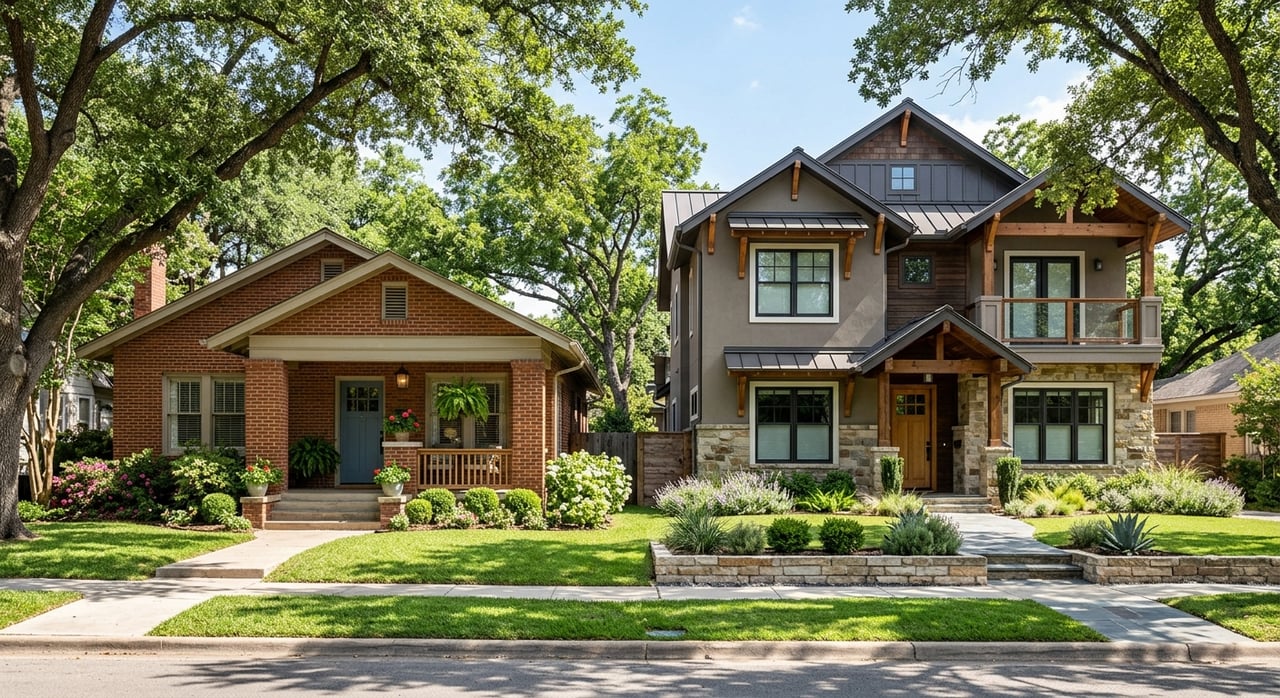
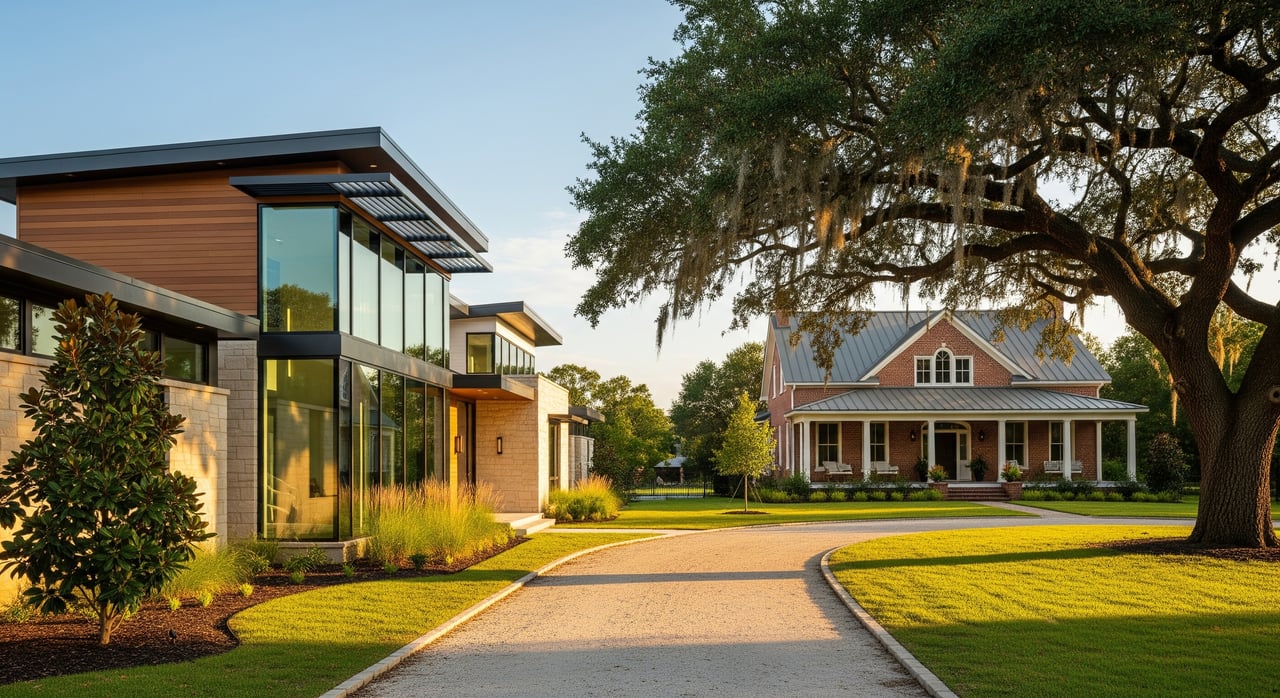
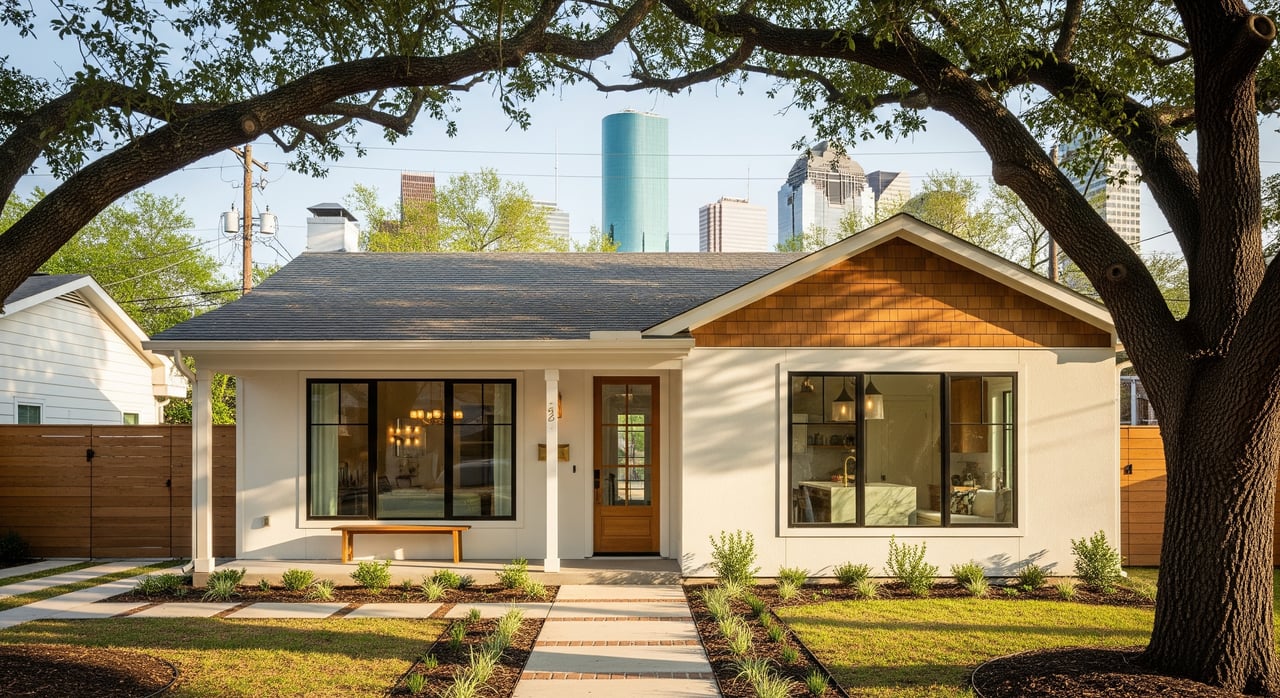
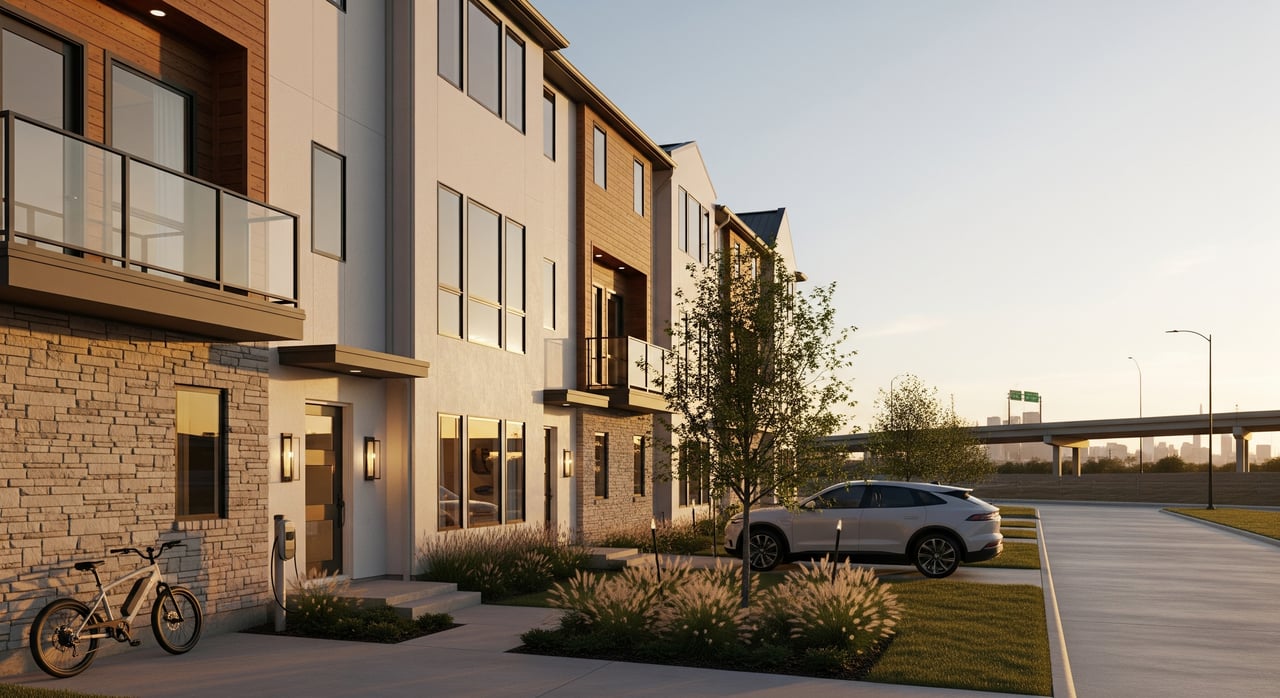
You will find a wide mix of housing in Houston’s city limits. Closer to the core, there are mid and high-rise condos, apartments, and many townhome communities. Infill single-family on smaller lots is common across inner neighborhoods. Houston’s development pattern is unique because the city does not use a conventional, citywide zoning map. This flexibility has encouraged a variety of housing types on nearby blocks, which can be a plus if you value options.
- For a deeper look at Houston’s land-use approach, see this overview of how the city’s flexible rules shape development: Houston’s development model explained
For pricing, remember that values swing widely by neighborhood. As a regional anchor, Greater Houston’s median single-family sale price in early 2026 was reported around $322,045, according to HAR’s January update. Inner Loop neighborhoods often exceed regional medians, while some outer-city pockets are closer to the metro average.
- Regional snapshot: HAR’s January 2026 median perspective
Fort Bend suburbs: Sugar Land, Richmond, Rosenberg
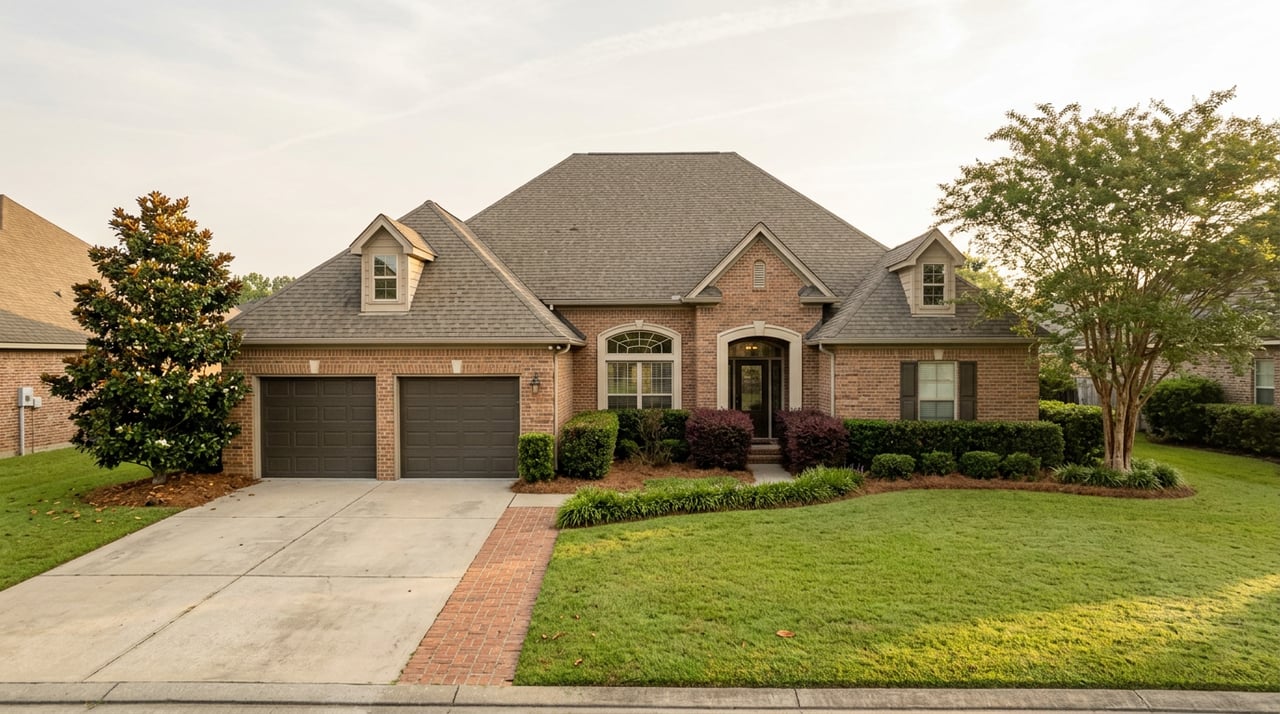
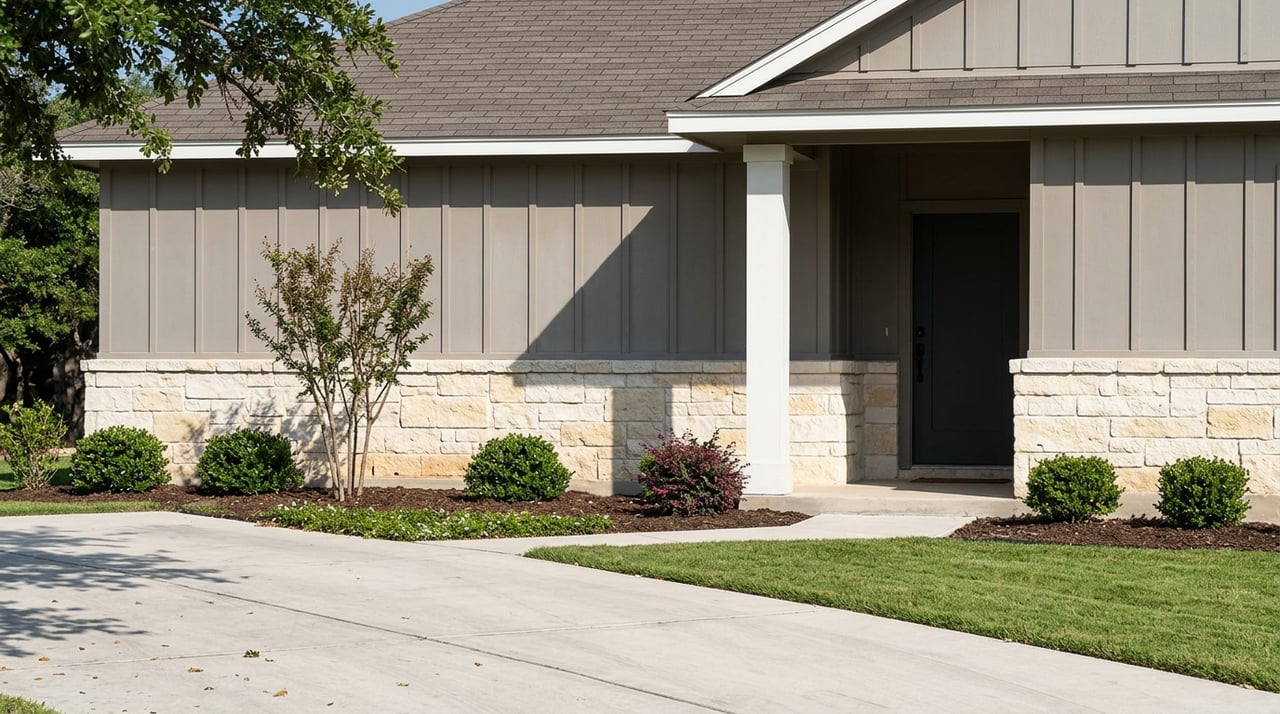
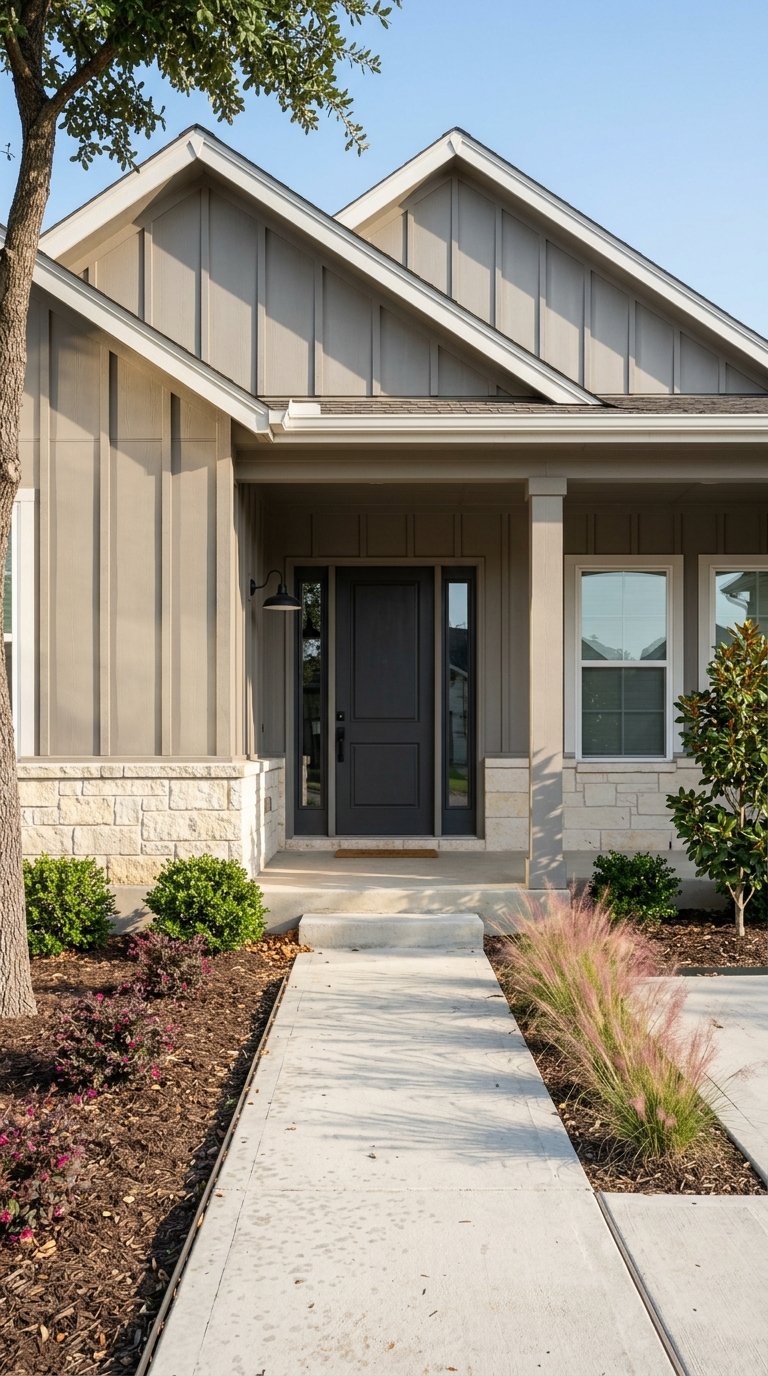
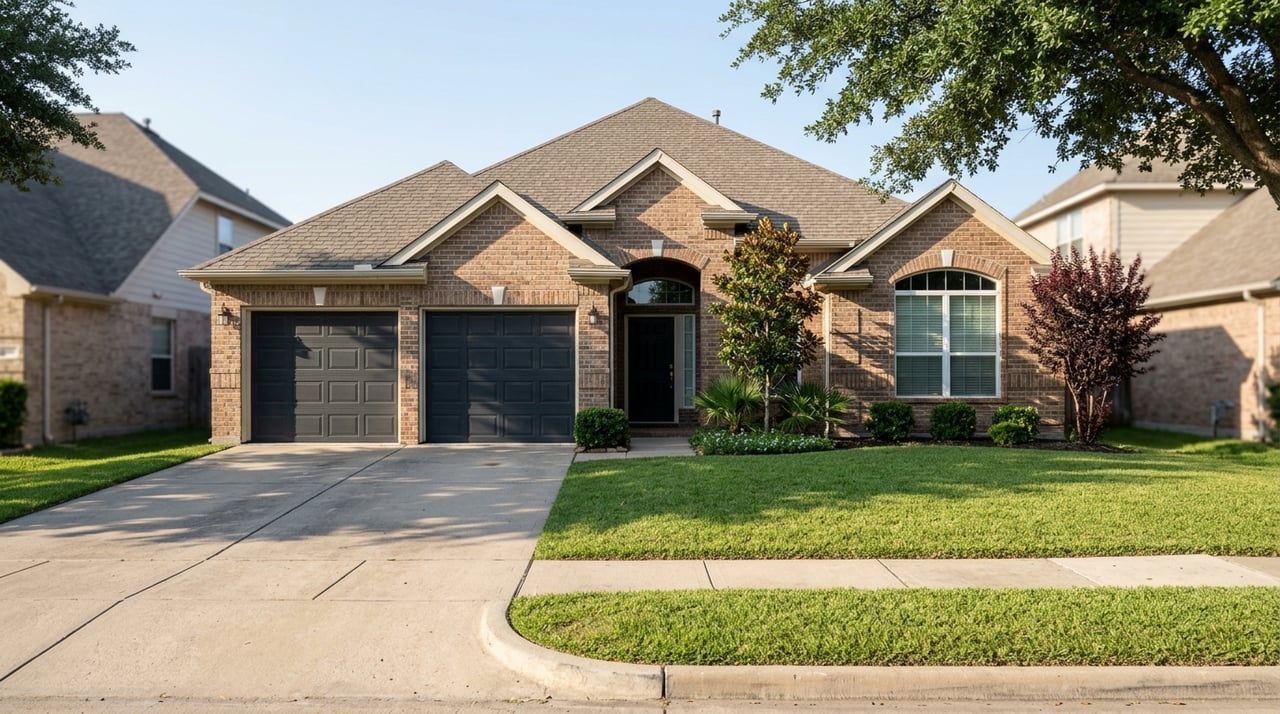
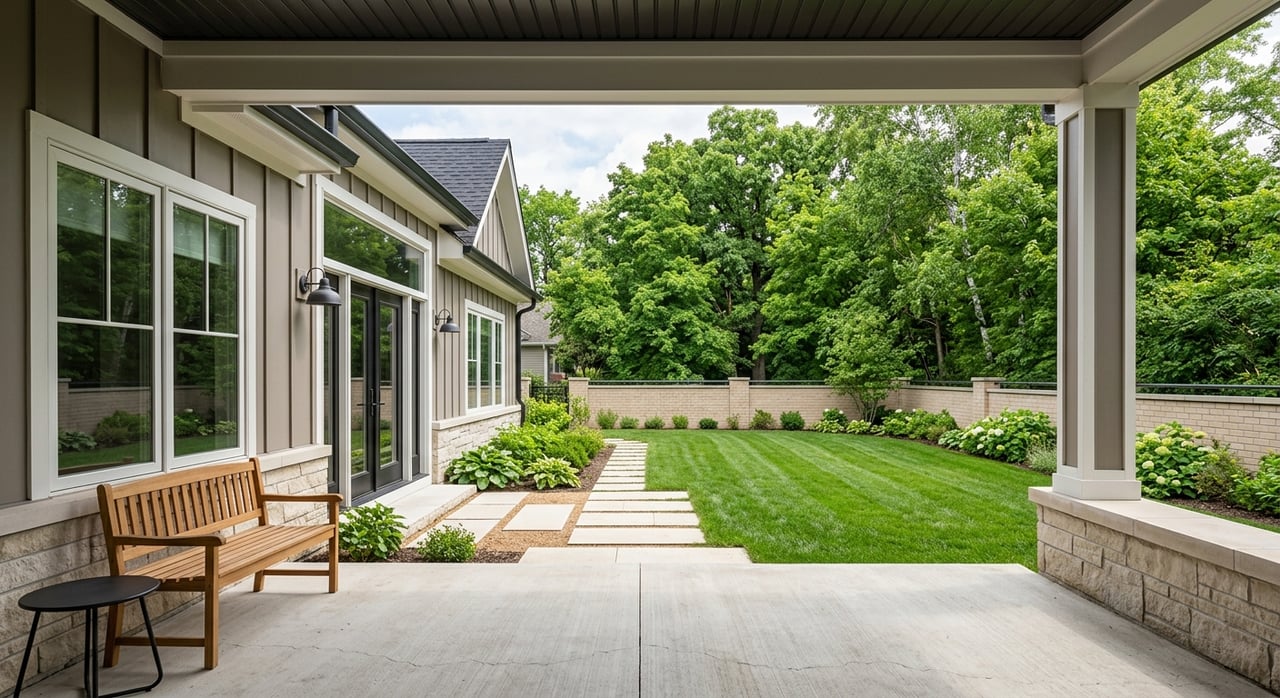
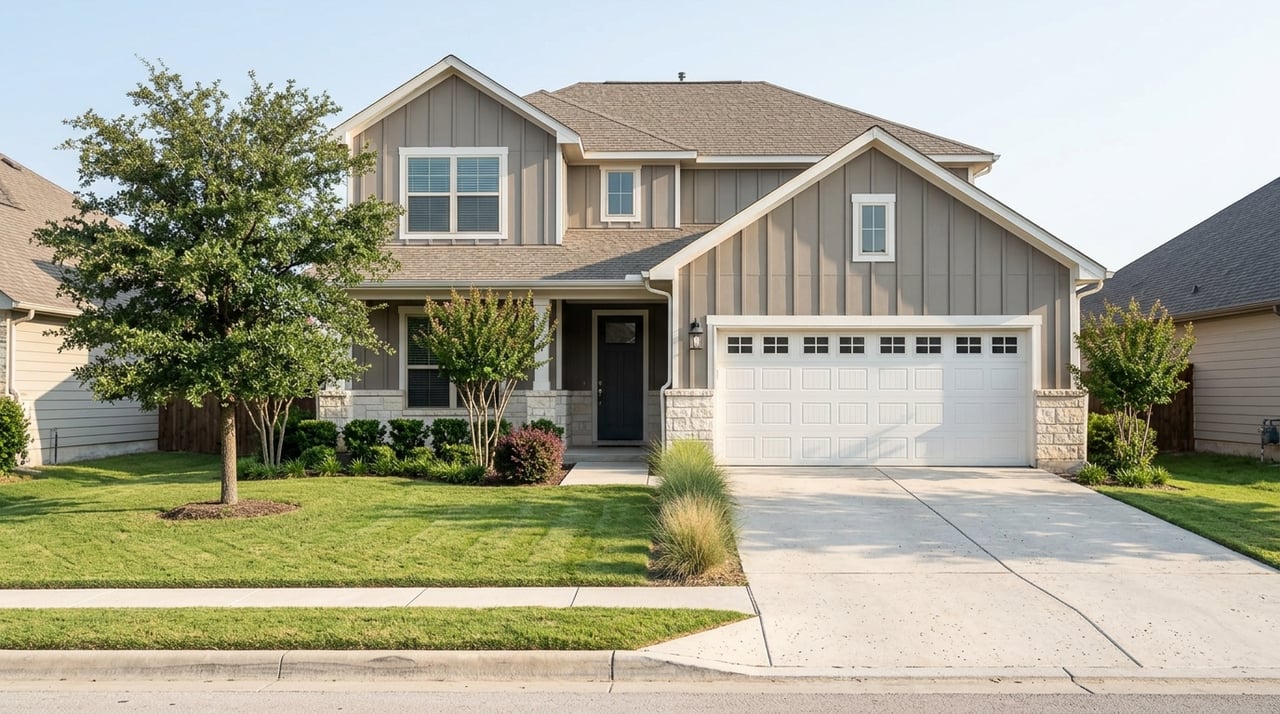
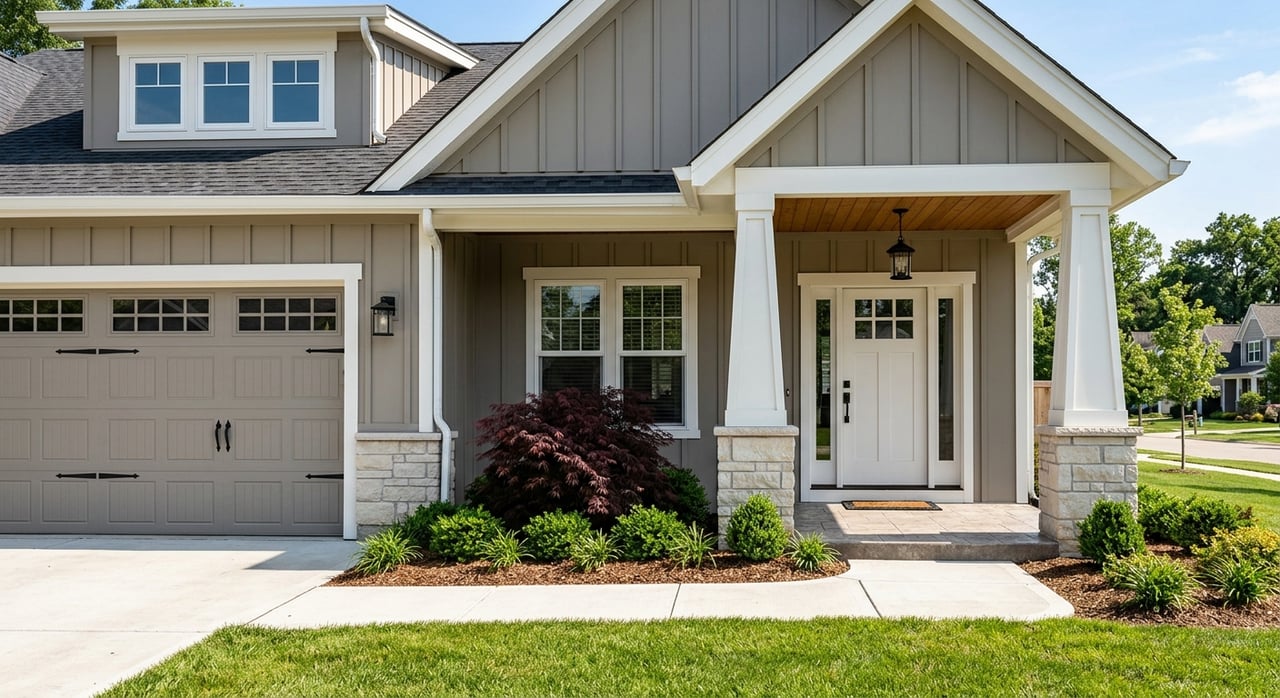
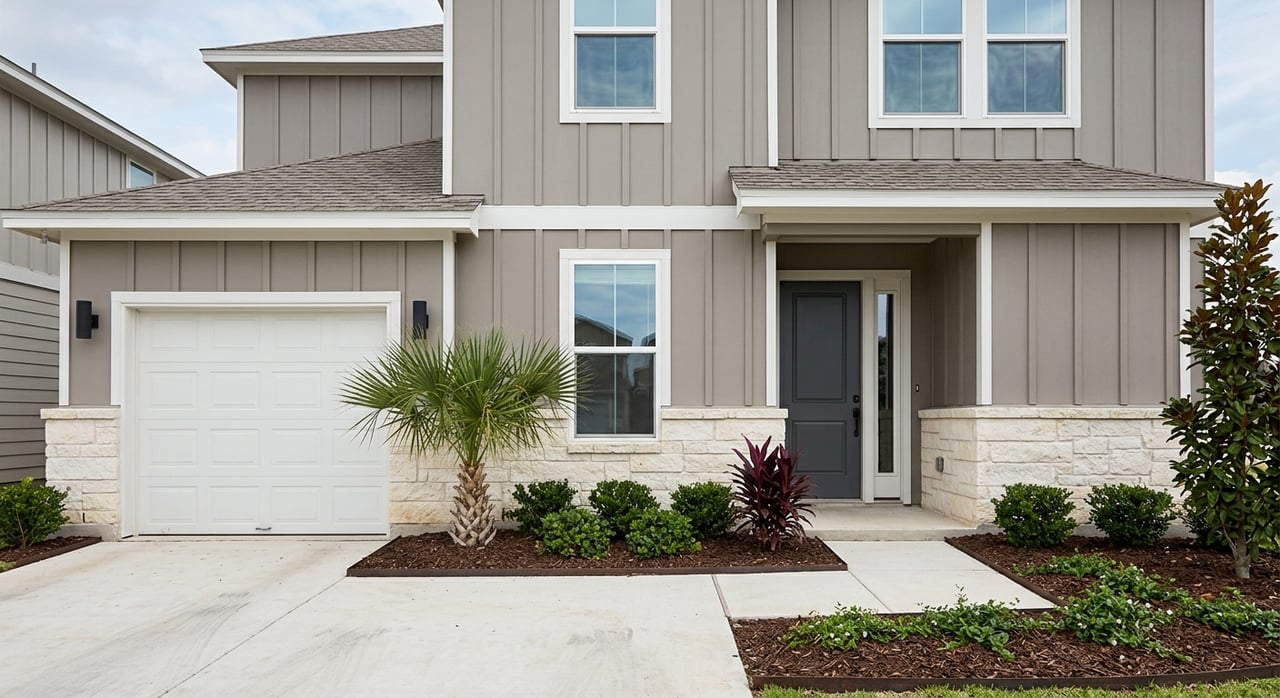
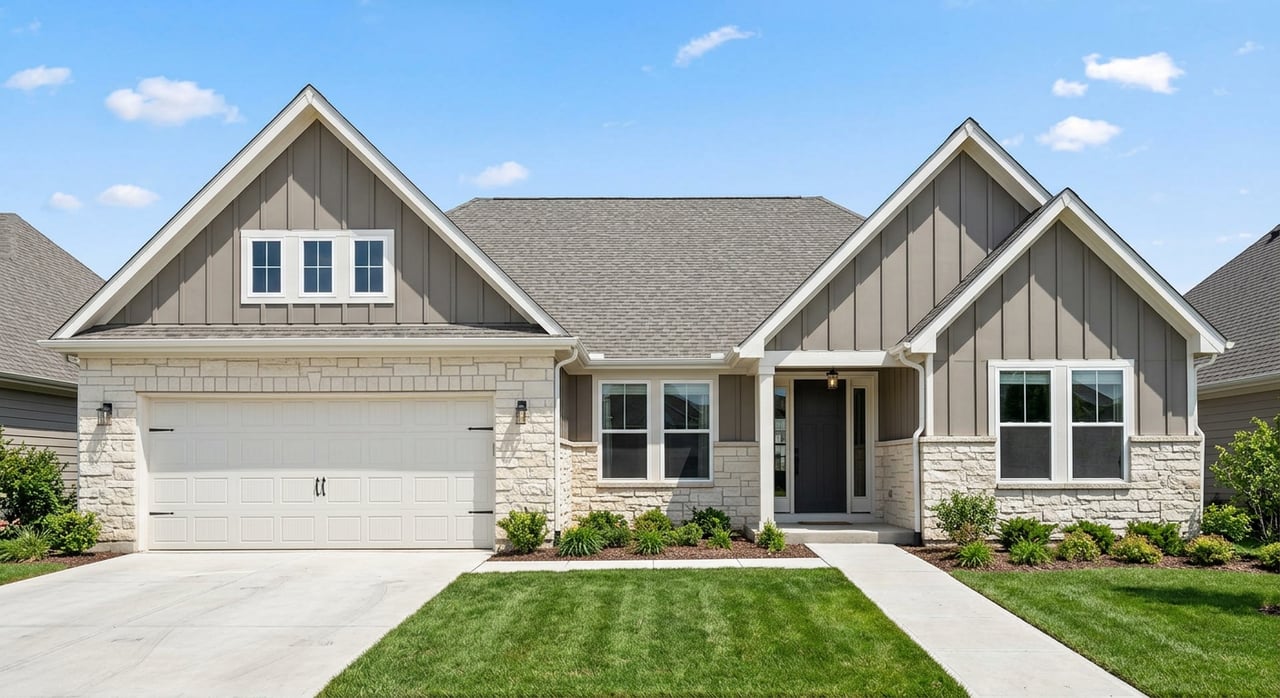
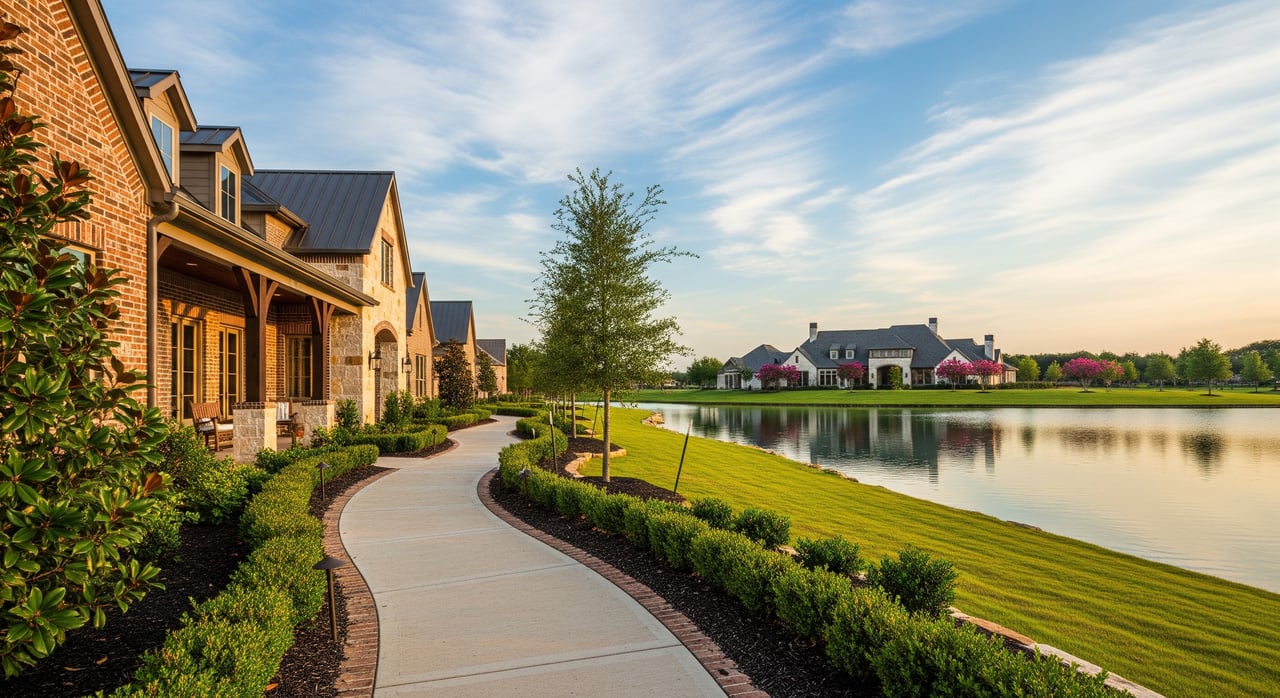
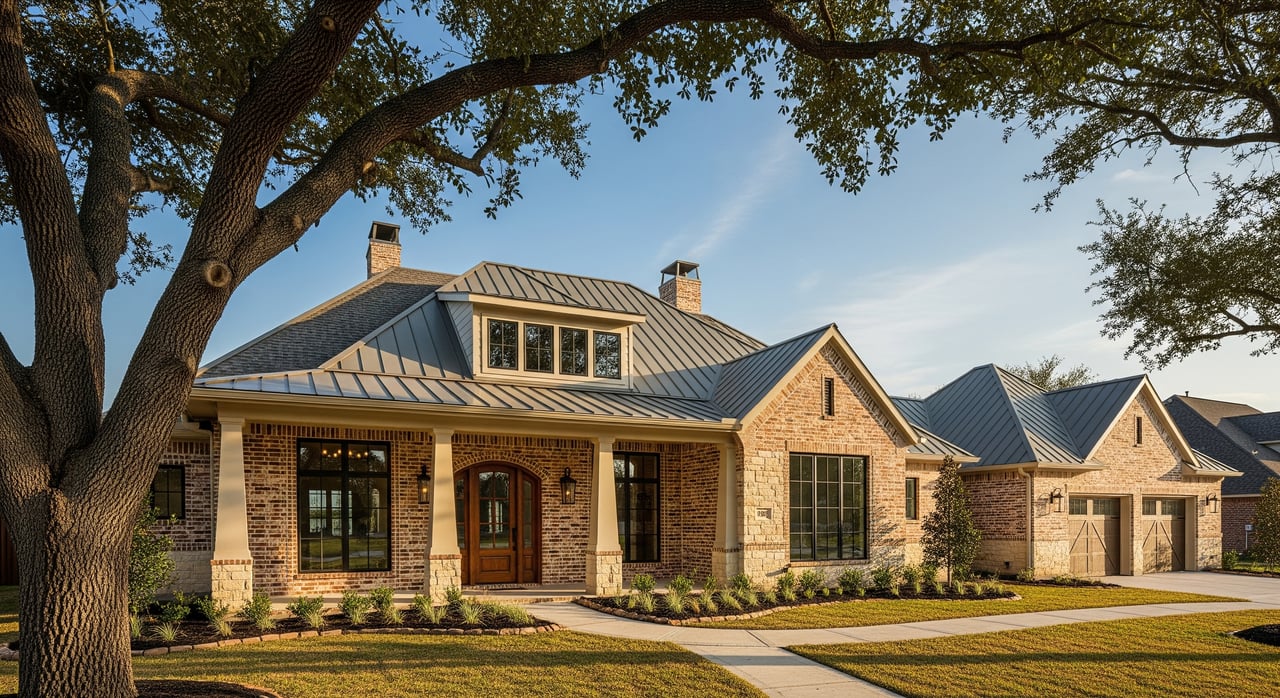
Fort Bend communities lean into master-planned living. You will see single-family homes across a range of lot sizes, gated sections in some neighborhoods, community recreation centers, pools, and walking trails. Sugar Land has many well-known master-planned neighborhoods and often commands higher price points within Fort Bend. Richmond and Rosenberg offer a blend of historic cores and new-build subdivisions, with many options that compare favorably on space per dollar. Neighborhood-level variation is significant, so it pays to look closely at recent sales on the streets you prefer.
- Explore the master-planned landscape: Sugar Land neighborhoods and amenities
What this means for your budget:
- If you want newer construction and neighborhood amenities, you will find many choices in Fort Bend master-planned communities.
- If you want a condo lifestyle or a short walk to urban entertainment, city neighborhoods usually offer more options.
- If your goal is more space per dollar, start with Richmond or Rosenberg and compare commute tolerance to your workplace.
Amenities and daily life
Houston’s access and convenience
Living in the city places you closer to cultural districts, major job hubs like Downtown and the Texas Medical Center, and a wide array of dining and entertainment. Shorter trips for nightlife, sports, and museums can make weekday downtime easier. If you thrive on variety and want to keep your weekend drive times low, city living helps.
Fort Bend’s community focus
Suburban life in Fort Bend emphasizes neighborhood amenities, parks, and local gathering places. Sugar Land Town Square and First Colony Mall anchor retail and dining. Most master-planned communities weave in pools, clubhouses, and trails that make it simple to unplug close to home. If you value a larger yard and a quieter street while still having convenient suburban shopping, this lifestyle checks many boxes.
Schools and attendance zones
School district boundaries shift by address, and they change over time. Sugar Land addresses are primarily served by Fort Bend ISD, while parts of Richmond and Rosenberg are served by Fort Bend ISD or Lamar Consolidated ISD depending on the property location. Always verify the exact campus assignment for any home you are considering, and confirm it again before you write an offer.
- District context: Sugar Land overview and district references
Property taxes, MUDs, and utilities
Texas property taxes are local, and effective rates vary by county, city, school district, and special districts. Many Fort Bend master-planned neighborhoods are located in Municipal Utility Districts, which finance water, sewer, and drainage infrastructure. MUD participation can affect your total tax rate and monthly payment. Before you commit to a property, review the MUD, HOA, and any special assessments. Your lender can help you estimate the full payment impact.
- MUD context in the Richmond area: local governance and utilities
- Fort Bend County appraisal trends: county market trends report
Which lifestyle fits you?
Choose Houston if you prioritize
- Shorter average commute and more frequent transit options.
- Walkable or short-drive access to cultural districts, dining, and nightlife.
- A mix of condos, townhomes, and small-lot single-family homes.
- Variety in nearby land uses and an active, urban feel.
Choose Fort Bend suburbs if you prioritize
- Larger yards and more space for the price.
- Newer construction and master-planned amenities like pools and trails.
- Suburban retail hubs such as Sugar Land Town Square and First Colony Mall.
- A quieter street environment with community programming.
How to decide with confidence
Use this quick checklist to compare real homes on your short list:
- Run live commute tests from each address at your actual morning and evening times on a weekday.
- If you plan to use transit, confirm Fort Bend Express stops and schedules, plus your METRO Park & Ride connection. Review the county’s current commuter program details before you rely on a route.
- Verify school attendance boundaries for the exact property address and confirm again before you submit an offer.
- Ask for the current property tax rate breakdown and whether the home is in a MUD or other assessment district. Use county appraisal resources like the Fort Bend market trends report to understand local context.
- Compare neighborhood-level sales in your price band. Values can differ block to block, so focus on recent, nearby comps.
Ready to compare neighborhoods?
Whether you lean urban or suburban, you deserve a clear plan that lines up with your commute, budget, and lifestyle. If you want a local, neighborly guide through Houston and Fort Bend communities, reach out to Denise Moore to talk through your short list and next steps.
FAQs
How do Houston and Fort Bend commute times compare?
- U.S. Census data show the City of Houston at about 27.3 minutes and Fort Bend County at about 33 minutes for mean one-way commute times.
Are there rail options from Sugar Land to Downtown Houston?
- Fort Bend does not have heavy or light rail; most commuters drive or use county commuter buses with METRO Park & Ride connections.
What kinds of homes are common in Fort Bend?
- Master-planned neighborhoods with single-family homes on a range of lot sizes, plus amenities like pools, trails, and community centers.
Does Houston have zoning that affects my property search?
- Houston does not use a conventional citywide zoning map, which allows diverse housing types; confirm deed restrictions and neighborhood rules for each property.
How do property taxes differ between Harris and Fort Bend?
- Rates vary by local entities like counties, cities, school districts, and MUDs; review the property’s specific tax rate and any special districts before you commit.
Which areas tend to have higher price points in Fort Bend?
- Sugar Land often trends higher within Fort Bend, while Richmond and Rosenberg include many options that offer strong space per dollar compared with regional medians.