Looking for a Fort Bend community that feels connected to its past without feeling stuck there? Richmond offers a day-to-day lifestyle shaped by the Brazos River, a walkable historic core, and a steady calendar of local events that make the city feel active and lived in. If you are thinking about a move to Richmond or simply want a clearer picture of what life here feels like, this guide will walk you through the rhythm of everyday living near the Brazos. Let’s dive in.
Richmond’s River-Town Identity
Richmond is the county seat of Fort Bend County and sits on the Brazos River about fifteen miles southwest of Houston. The city traces its incorporation to 1837, and that history still shows up in the way the community looks and functions today.
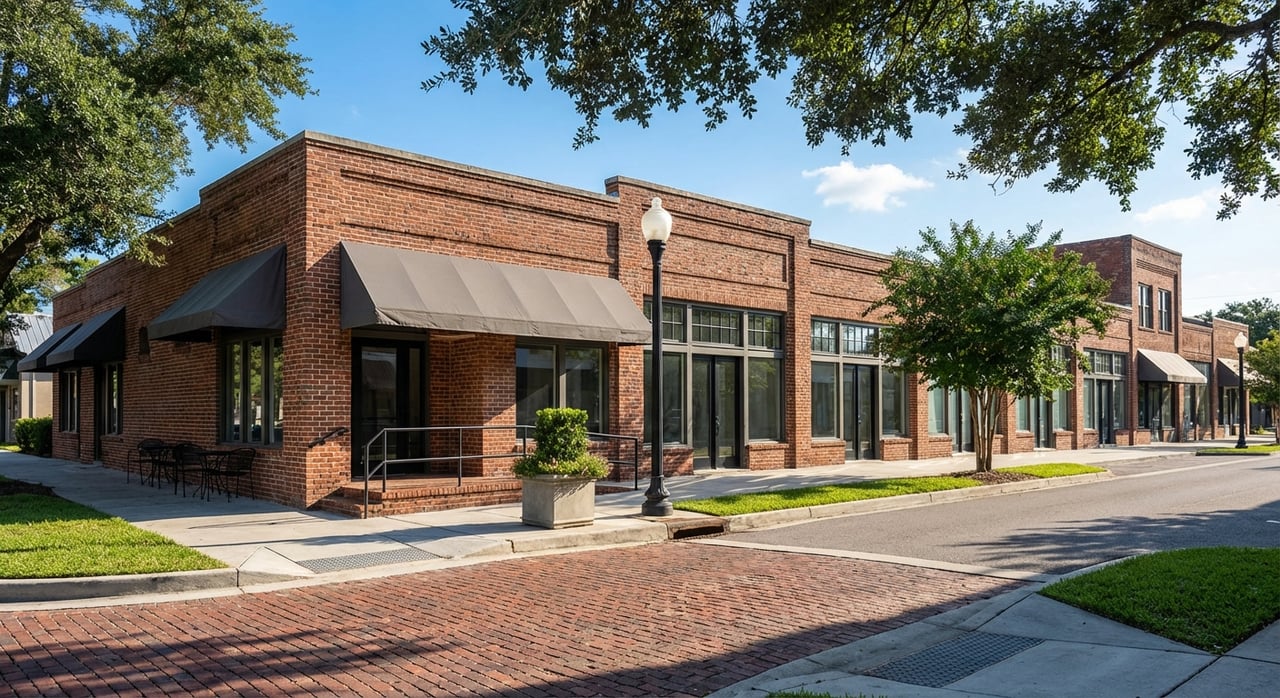
Olde Town Richmond is the clearest example. The city describes it as being on the west bank of the Brazos and centered on a traditional four-block main street district along Morton Street. That gives Richmond a distinct feel compared with more master-planned areas nearby.
Richmond also puts real effort into preserving that character. The city’s Historic Overlay District, Historical Commission, and public history resources show that preservation is part of local planning, not just a marketing phrase. In 2025, Richmond was named Scenic City of the Year, with the city tying that recognition to design standards, tree canopy, and protection of natural corridors like the Brazos River.
Daily Life Around Morton Street
If you want to understand everyday life in Richmond, start with Morton Street. Downtown is home to antique shops, local cafés and restaurants, and cultural stops like the Fort Bend Museum and the Moore Home.
That matters because downtown is not only a place to visit once in a while. It plays an active role in regular community life, giving you a central area for errands, casual meetups, and local events. For many buyers, that kind of familiar gathering place adds a sense of routine that can be hard to find in newer suburban settings.
The Fort Bend Museum adds another layer to the area’s personality. Visitors can explore guided or self-guided experiences along with historic homes such as the 1855 Long-Smith Cottage and the 1883 Moore Home. Even if you are not a frequent museum-goer, having those landmarks in the center of town helps shape Richmond’s everyday atmosphere.
The Farmers Market Adds Rhythm
One of the simplest ways a town starts to feel like home is through recurring events you can count on. In Richmond, the Farmers Market takes place on the first Friday of each month at City Hall Park Plaza on Morton Street.
The market features local produce, artisan goods, and prepared foods. That creates a regular downtown routine that feels practical and social at the same time. You are not just passing through the area. You are participating in a place where people gather on purpose.
For buyers comparing Fort Bend communities, this is part of Richmond’s appeal. The city’s core feels used and relevant, not preserved only for special occasions.
Parks Shape Everyday Living
Richmond’s park system plays a big role in how residents spend their free time. The city lists parks including City Hall Park Plaza, Clay Park, Crawford Park, Freeman Town Park, George Park, and Wessendorff Park.
George Park is the city’s larger sports-oriented park. It includes baseball and softball fields, football and soccer fields, sand volleyball, picnic areas, playgrounds, restrooms, and a walking trail. If your routine includes outdoor recreation, organized sports, or weekend park time, this is one of the city’s major lifestyle anchors.
Wessendorff Park offers a different pace. It is smaller and closer to the civic core, with a gazebo, walking trail, parking, and restrooms. Its location and layout make it a practical spot for a walk, a community event, or a relaxed evening outdoors.
Evenings and Events Feel Local
Richmond’s community calendar helps bring public spaces to life. Wessendorff Park hosts free family movie nights, giving residents an easy, casual option for evenings close to home.
The city also promotes seasonal events like Live on the Brazos, a free summer concert series, along with community gatherings such as Art in the Bend. These events help reinforce the idea that Richmond’s shared spaces are used regularly, not just maintained from a distance.
For buyers, that can be meaningful. A city’s lifestyle is often less about one big attraction and more about whether there are simple, repeatable ways to enjoy where you live. Richmond’s parks and event programming support exactly that kind of routine.
Trails and Outdoor Access Matter
Richmond is also planning for more connected outdoor movement. The city’s Trail Master Plan is designed to create a network that is safe, accessible, interconnected, and useful for both recreation and transportation.
That goal says a lot about where Richmond is headed. The city is planning growth while also trying to preserve its values, character, and history. For residents, that can translate into a more connected daily experience over time, especially for walking, biking, and local access between key parts of the community.
Living Near the Brazos
The Brazos River is part of Richmond’s identity, and living near it comes with both scenic appeal and practical awareness. The river helps shape the city’s natural setting and supports Richmond’s emphasis on preserving visual quality and natural corridors.
At the same time, river-adjacent living includes attention to drainage and water conditions. Fort Bend County maintains a Brazos River gauge at Richmond along with a broader river-level monitoring system. That makes the river more than a backdrop. It is also part of the area’s real infrastructure picture.
For buyers, this is a good reminder that lifestyle and practicality often go together. The Brazos adds beauty and character, but it also makes local awareness part of smart day-to-day living.
Commuting and Regional Access
Richmond often appeals to people who want local character without giving up regional access. The city’s history page notes U.S. 90A and U.S. 59 as key transportation links, which helps connect Richmond to the wider Houston area.
Fort Bend Transit adds another option. The system offers countywide demand-response service along with weekday Park and Ride connections to the Texas Medical Center, Greenway Plaza, and the Galleria through lots in Rosenberg and Sugar Land.
That kind of access can matter if your work, appointments, or family routines stretch across Fort Bend and Houston. Richmond is not defined only by commuting, but it does offer practical connections for people who need them.
How Richmond Stands Out in Fort Bend
Richmond becomes even clearer when you compare it with nearby communities. Rosenberg’s identity is tied strongly to its railroad history. Sugar Land presents itself as a larger master-planned and corporate-oriented city. Fulshear highlights its farm-and-ranch roots and growing commercial district, while Missouri City emphasizes access to major transportation corridors.
Richmond fills a different niche. Its strongest themes are historic preservation, local events, parks, and a downtown-centered civic life shaped by the Brazos River setting. If you are looking for a place that feels grounded in local history and public gathering spaces, Richmond offers something distinct within Fort Bend County.
Why Richmond Appeals to Buyers
For many buyers, Richmond offers a blend that can be hard to replicate. You get a historic core, regular community events, public parks, and a setting tied closely to the Brazos, all within reach of broader Fort Bend and Houston connections.
That does not mean every part of Richmond feels the same. Like any city, your day-to-day experience will depend on location, commute patterns, and the type of home and neighborhood setting you want. Still, the city’s public spaces and civic identity create a strong overall sense of place.
If you are considering Richmond, it helps to look beyond square footage and price alone. Everyday life here is shaped by where you spend your weekends, how often you use local parks and downtown spaces, and whether a historic river-town feel matches the way you want to live.
If you want help exploring Richmond and other Fort Bend communities, Denise Moore can help you compare neighborhoods, understand local lifestyle differences, and find a home that fits the way you live.
FAQs
What is everyday life like near the Brazos in Richmond?
- Everyday life near the Brazos in Richmond often centers on Morton Street, local parks, community events, and the city’s historic river-town setting.
What is Olde Town Richmond known for?
- Olde Town Richmond is known for its four-block main street district on Morton Street, historic character, local shops and restaurants, and nearby cultural sites like the Fort Bend Museum.
Are there regular community events in Richmond, TX?
- Yes. Richmond hosts recurring events such as the Farmers Market on the first Friday of the month, free movie nights at Wessendorff Park, and seasonal events like Live on the Brazos and Art in the Bend.
What parks are important to daily life in Richmond?
- George Park and Wessendorff Park are two key parks, with George Park offering sports fields and recreation space, and Wessendorff Park providing walking areas and event space near the civic core.
Is living near the Brazos River in Richmond mostly scenic or also practical?
- It is both. The Brazos adds scenic value and local identity, while Fort Bend County’s river-level monitoring reflects the practical importance of drainage and water awareness.
Is Richmond a good choice for commuters in Fort Bend County?
- Richmond offers access through U.S. 90A and U.S. 59, and Fort Bend Transit provides countywide demand-response service plus weekday Park and Ride connections from nearby lots in Rosenberg and Sugar Land.