Here is the number that surprised me when I pulled the actual tax disclosures for both communities: the gap between the cheapest and most expensive section of Harvest Green, a master-planned community that has been selling homes since the mid-2010s, is wider than the gap between that same community's priciest section and Candela, the newest master-planned neighborhood going up on the other side of town. Age is supposed to be the whole story with Texas utility district taxes. Older community, lower rate. Newer community, higher rate. That rule holds up fine as a general trend, but the moment you look at the specific numbers on the ground in Richmond, it stops explaining what actually happens on a closing statement.
If you are comparing Harvest Green and Candela, or any pair of Richmond's new-build neighborhoods, the community's name and age tell you less than you'd expect. What tells you the real story is which municipal utility district section your specific lot falls inside, because that number can vary by more within one community than it does between two communities built a decade apart.
The comparison everyone runs first
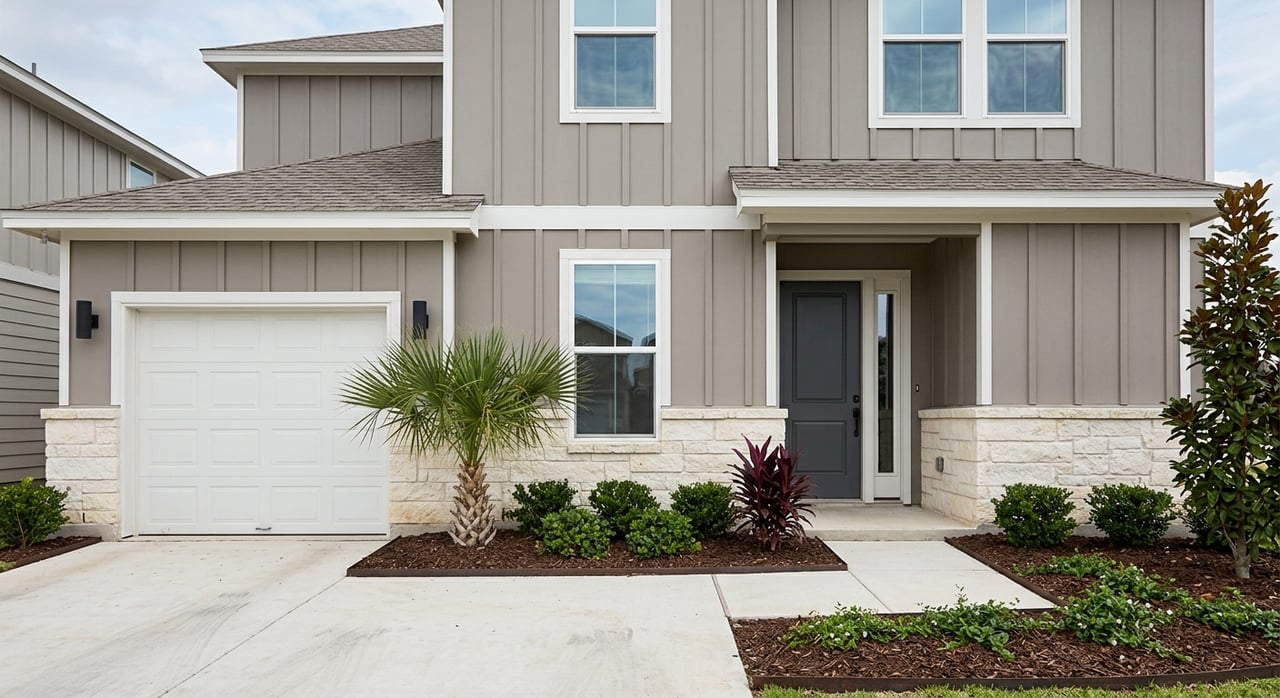
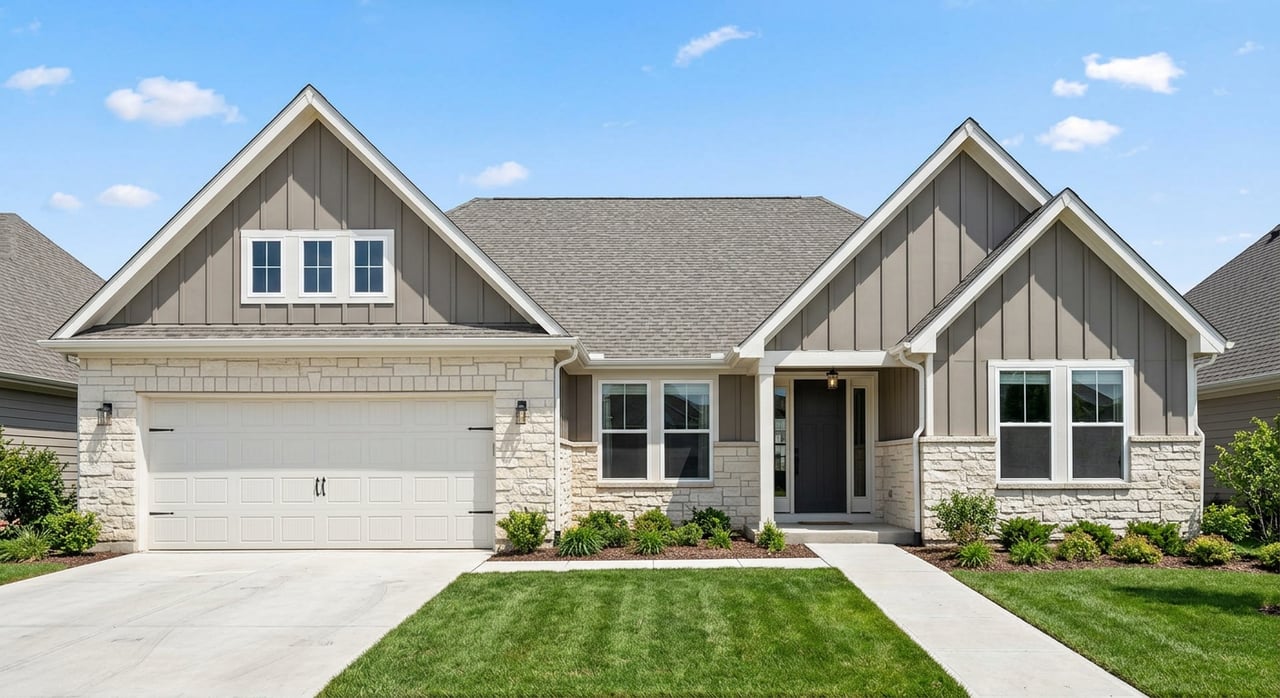
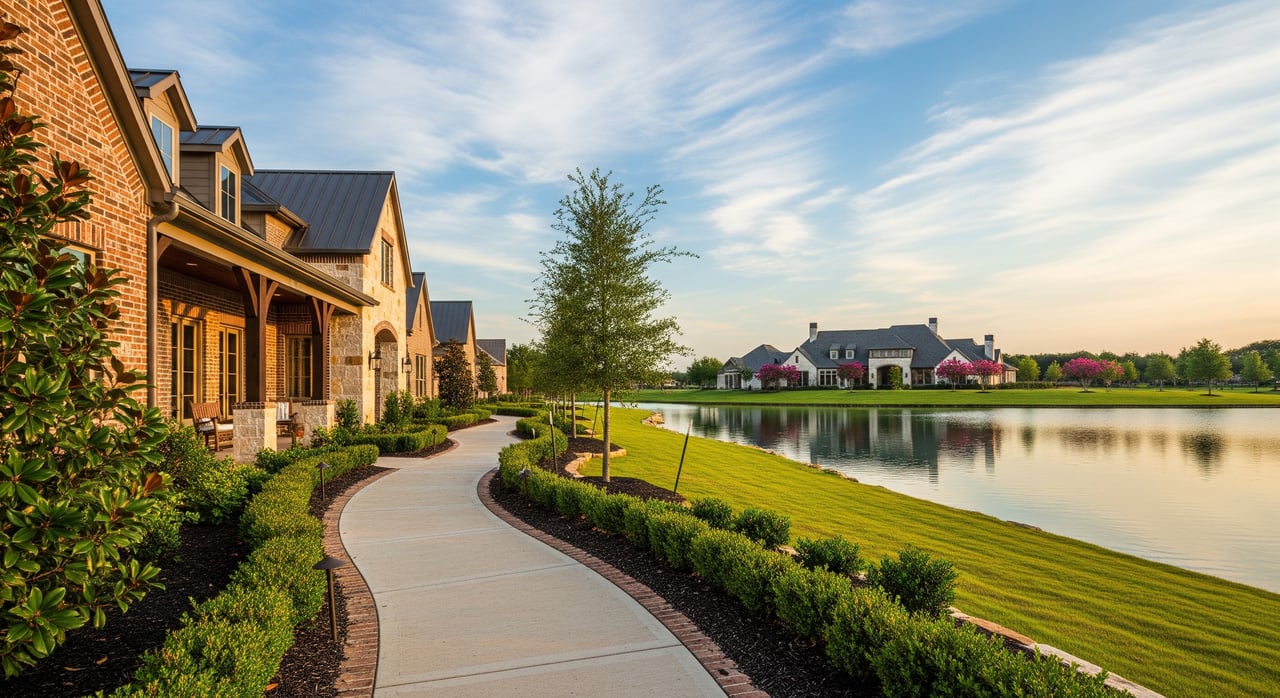
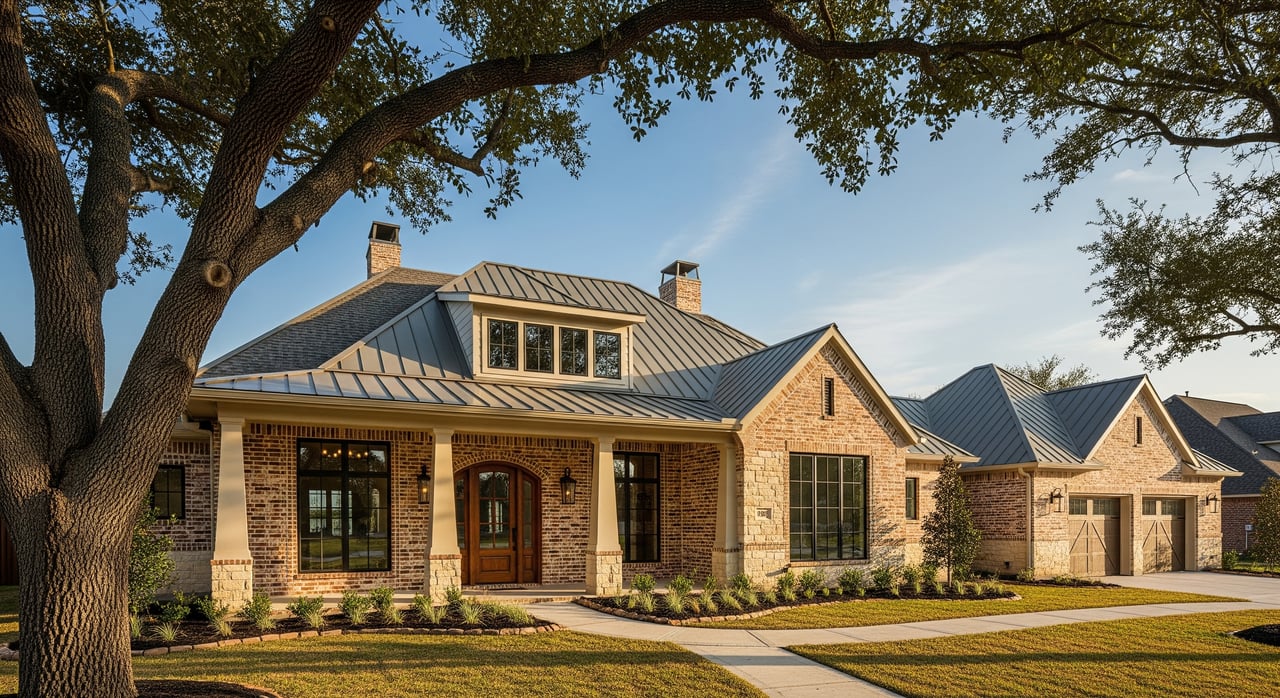
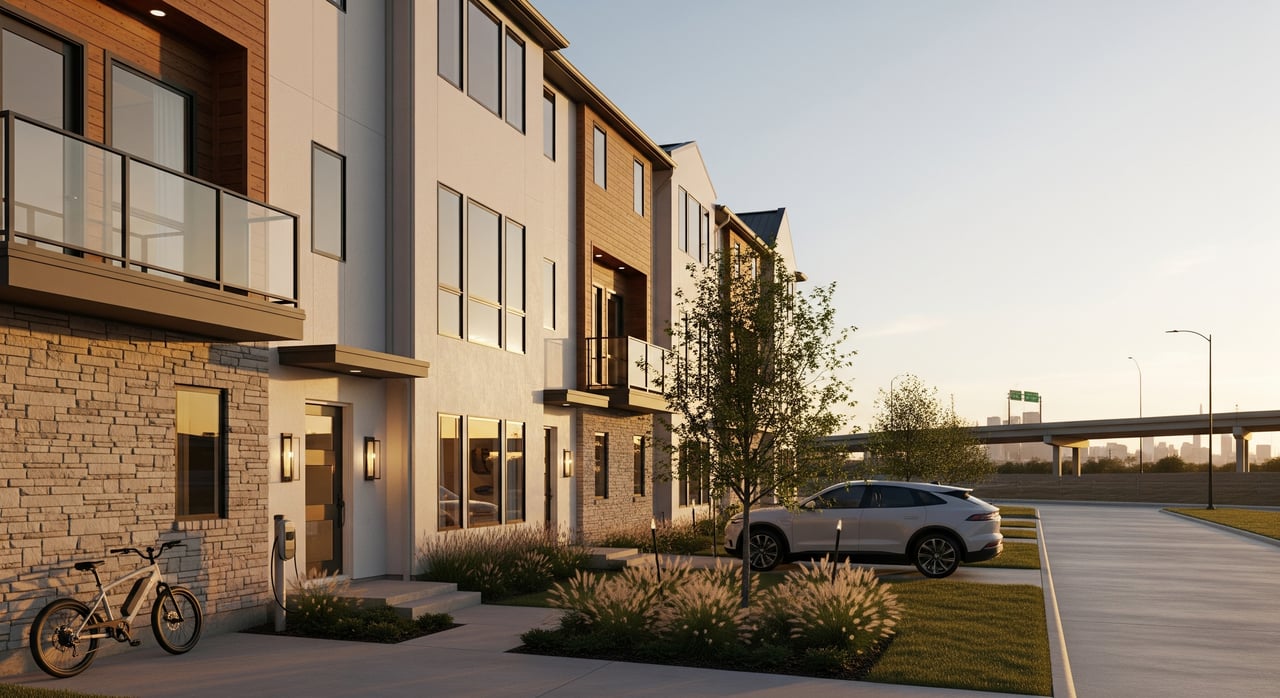
Richmond's new-construction buyers usually start with the obvious inputs. As of August 2026, homes across Richmond were listing at a median price near $465,000, with an average sale price around $521,000 according to local market data, and that pricing sits across a mix of resale neighborhoods and active master-planned communities still selling new sections. Harvest Green, developed by Johnson Development Corp on land that has grown to 1,700 acres, markets itself as an agrihood built around a working farm, with new construction starting around $474,990. Candela, a newer 578-acre community from the same Johnson family of developers, prices new homes from the $300s into the $800s, with Candela South sections currently listing between $360,000 and $600,000.
Put those two ranges side by side and a buyer's first instinct is to treat Harvest Green as the more established, presumably lower-tax option and Candela as the newer, presumably higher-tax option. That instinct is correct in direction. It just badly understates how much the answer depends on which part of Harvest Green you're actually looking at.
Tax-rate differences within Harvest Green
Harvest Green isn't taxed as a single district. It's split across at least three separate MUD sections, each carrying its own combined tax rate for 2026:
| MUD Section | Combined Tax Rate (per $100 valuation) |
|---|---|
| Harvest Green MUD 134D | 2.7689% |
| Harvest Green MUD 134E | 2.7189% |
| Harvest Green MUD 134F | 2.9289% |
Each of those combined rates folds in the Fort Bend County General Fund, county drainage, Fort Bend ISD, the applicable MUD, and the community's municipal management district. The spread between the lowest section, 134E, and the highest, 134F, is about 0.21 percentage points. That doesn't sound like much until you put it on a home price.
Candela, by comparison, sits inside a single district, MUD 229, with a combined rate of about 3.03%.
So the gap between Harvest Green's most expensive section and Candela's rate is only around 0.10 percentage points. The gap between Harvest Green's own cheapest and most expensive sections is roughly double that. A buyer who assumes "Harvest Green is the established community, so it must beat Candela on taxes" is right about the direction based on these rates, but the size of the difference depends on the section number.
Why a decade-old community still has a brand-new tax bill
Municipal utility districts finance their own water, sewer, and drainage infrastructure by issuing bonds, and homeowners retire that debt through the MUD's portion of the annual tax bill. As the bonds get paid down and more homes join the tax base, the rate typically declines, sometimes settling well under half a percent once a district is fully mature. That's the mechanism behind the general "older equals cheaper" rule.
What that rule leaves out is that a single master-planned community can contain more than one MUD, each with its own bond schedule. Harvest Green didn't stop growing after its first phase. The developer added 630 acres to the original 1,070-acre footprint, and later phases carry their own infrastructure debt on their own timeline. A homeowner in an earlier, more built-out section of Harvest Green can be paying down bonds that are years further along than a neighbor two streets over in a section that opened more recently, even though both addresses say Harvest Green and both closed through the same builder network.
The community name describes the amenities and schools, while the bond schedule depends on the specific lot.
What Candela's 3.03% is actually paying for
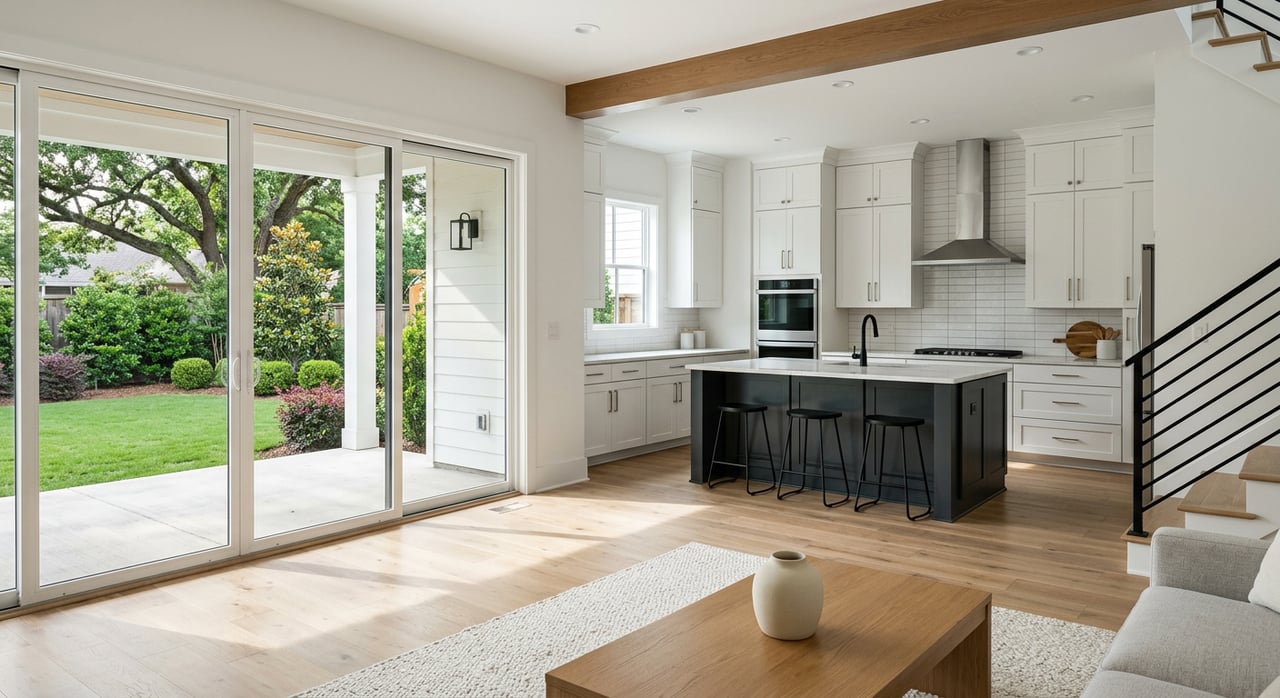
Candela's rate reflects a community still mid-build. The Axis Amenity Center anchors the neighborhood with a resort-style pool, splash pad, fitness center, dog park, and yoga lawn, and Sunshine Park has already opened with lake views and walking trails. Solstice Park is still coming. Three builders, Coventry Homes, Perry Homes, and Westin Homes, are actively selling across 40, 50, and 60-foot lots, with the community planned to reach 1,706 homes at build-out. Candela's HOA runs about $750 a year, noticeably lower than Harvest Green's roughly $1,271 annual dues, which partly reflects how much of Harvest Green's amenity and programming infrastructure, including its farm operations and full-time lifestyle staff, is already built and running.
None of that is a knock on Candela. A newer district with an actively growing tax base and fresh infrastructure debt is supposed to carry a higher rate right now. The point is narrower: 3.03% isn't dramatically higher than what a buyer might land on inside Harvest Green's 134F section. The story that Candela is meaningfully more expensive on taxes than Harvest Green only holds if you're comparing it to Harvest Green's cheapest section, not the community as a whole.
The monthly math on a comparable home
Run the same $600,000 purchase price through each rate, before any homestead exemption, and the differences get easier to feel in real dollars.
A home in Harvest Green's 134E section lands near $16,313 a year, or about $1,359 a month. The same price in 134D runs close to $16,613 a year, about $1,384 a month. Move to 134F and the annual bill climbs to roughly $17,573, or $1,464 a month. Candela's 3.03% on that same price comes to about $18,180 a year, or $1,515 a month.
The distance between the cheapest Harvest Green section and Candela is about $156 a month. The distance between Harvest Green's own cheapest and most expensive sections is around $105 a month, on the same home price, inside the same community, under the same entrance sign. That's the number that should change how a buyer compares these two neighborhoods. It's not really Harvest Green versus Candela. It's whichever specific MUD section your lot sits in versus every other option on the table, established or new.
These figures are illustrative math built on the disclosed 2026 combined rates. Actual bills also depend on the county's appraised value each year, homestead exemptions, and whether a district issues new bonds for a later phase, so the precise number on any address should be confirmed against that property's current tax certificate before an offer goes in.
Before you write an offer in either community
Ask for the specific MUD number tied to the address, not just the community name, before you get attached to a floor plan. The Texas Water Code requires sellers and builders to provide a MUD disclosure notice that names the district and its current rate, and that document is worth reading in full rather than skimming. If you're comparing lots across different sections of the same community, ask the builder directly whether the sections carry different rates, so you can compare the rate for your section with the rates in neighboring sections.
A few quick questions
Does a MUD tax rate ever go up after I buy? It can, if the district issues additional bonds for a later phase or infrastructure upgrade, though the more common pattern is a gradual decline as existing bonds are retired and the tax base grows.
Where do I find the MUD section for a specific address? The builder or listing agent should be able to provide the exact MUD number, and the Fort Bend Central Appraisal District's records will confirm which district and rate apply to that parcel.
Comparing Harvest Green and Candela on paper only gets you so far, and the address-level detail is where the real number lives. If you're weighing new construction in Richmond and want the specific MUD section, tax rate, and monthly math run on an actual home you're considering, Denise Moore can walk through it with you before you write an offer.
This article is general information, not legal, tax or financial advice. Consult a qualified professional about your situation.