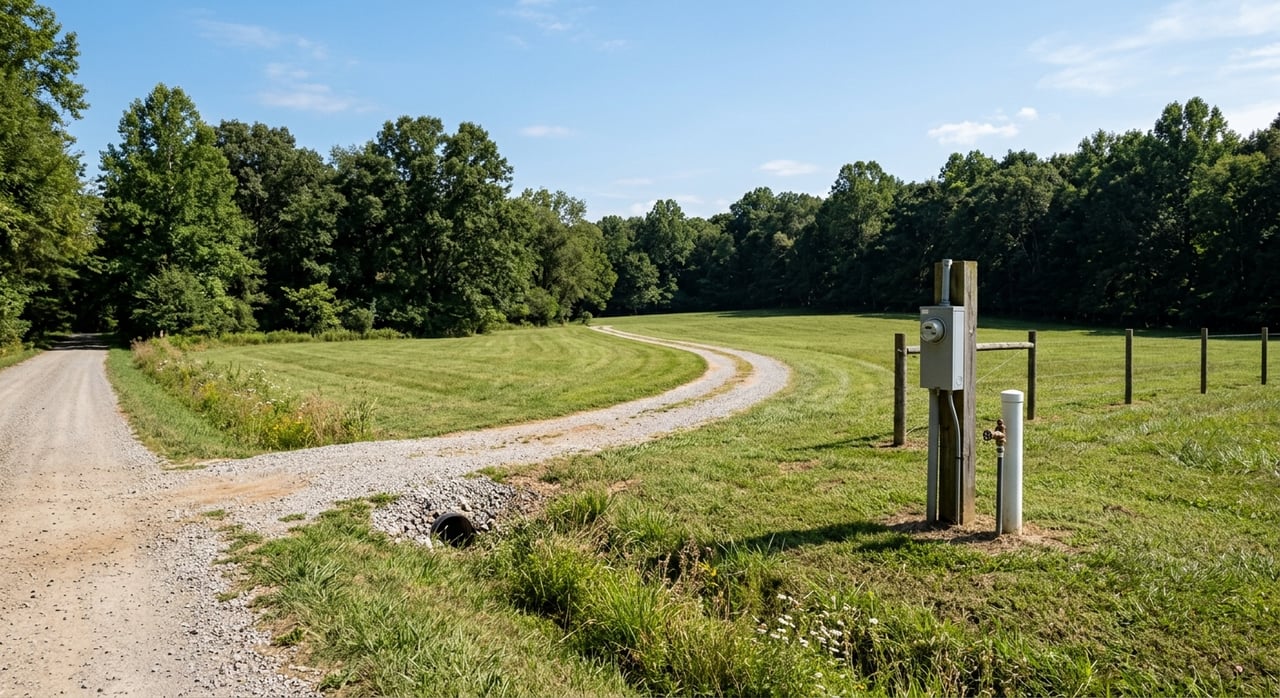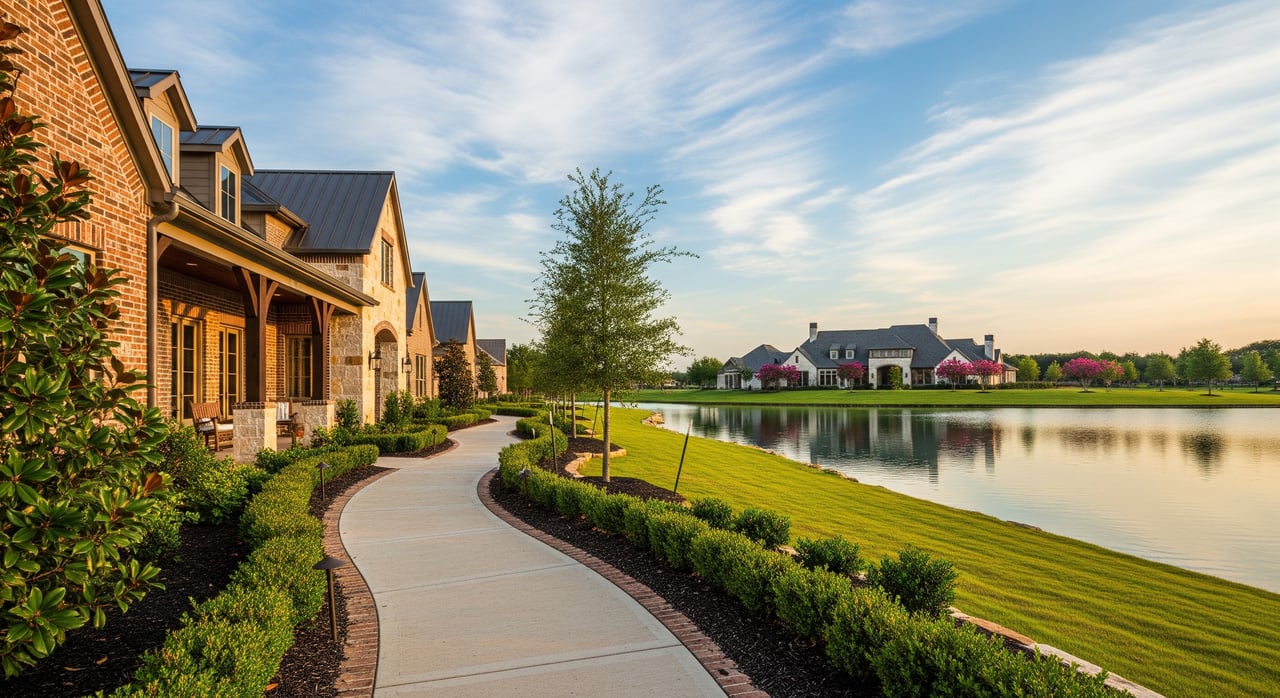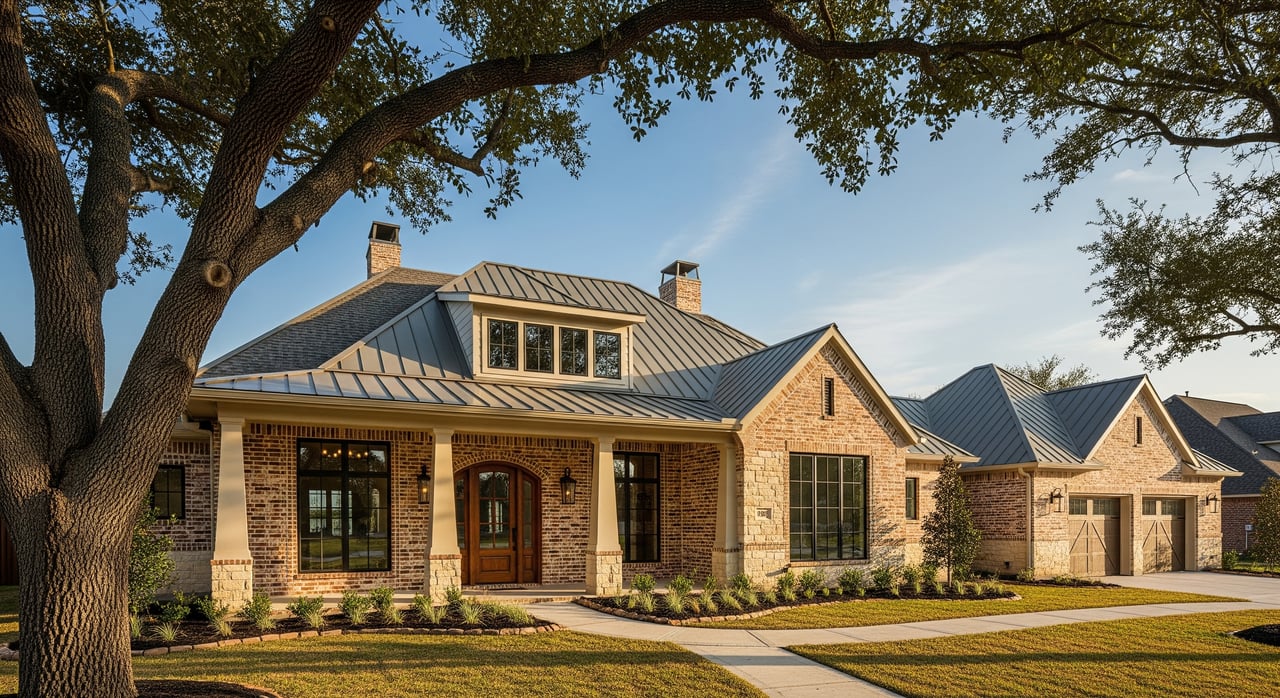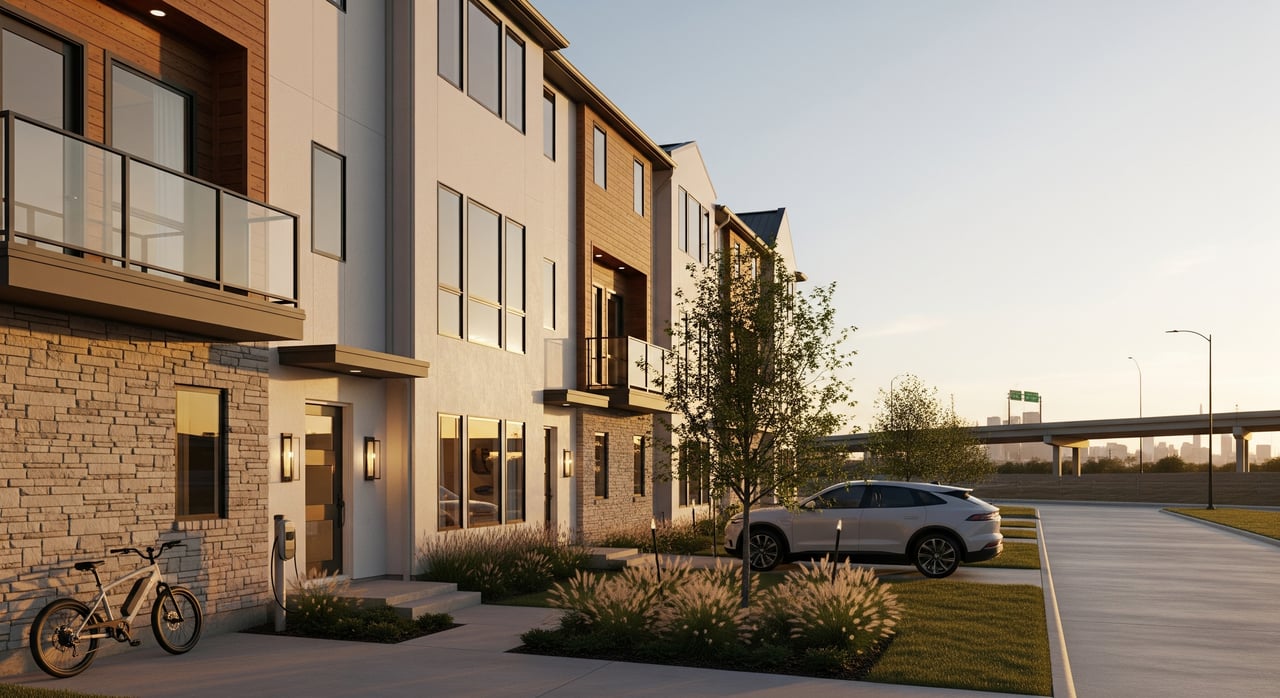
According to the Houston Chronicle, in June 2026, Rosenberg's city council approved a development agreement that will eventually put up to 1,100 homes on 370 acres near Brookwater, southeast of US 59 and northeast of Forrester School Road. The builder, Beazer Homes Texas LP, said the homes will start around $399,000, with the representative telling council members the project is priced as an upscale community rather than an entry-level subdivision. Elsewhere in the city, Quick Trip Corporation has a 34-acre tract under contract, waiting on surveys before the city finalizes an annexation ordinance. Down on Coblin Road, a landowner is asking the planning commission to cut a three-acre minimum lot down to just over an acre so a two-lot subdivision can go forward.
None of these are hypothetical. They are the current shape of land use change on Rosenberg's edges, and every one of them touches a question that shows up in almost every conversation I have with someone who owns acreage under an agricultural valuation: what happens to my tax bill when I sell?
Most sellers assume the worst. They picture a county appraisal district waiting for the closing to hit, ready to send a bill for years of back taxes the moment the deed changes hands. That fear is understandable, and it is also usually pointed at the wrong moment in the transaction.
The Trigger Isn't the Sale, It's What Happens After
According to SellNow Land Buyers, if your land carries the common 1-d-1 open-space agricultural appraisal, the kind most Fort Bend acreage owners have, selling the property by itself does not create a rollback tax. The rollback is tied to a change in how the land is used, not to a change in who owns it. A rancher who sells 40 acres to another rancher who keeps cattle on it does not trigger anything. The bill only appears when the qualifying agricultural use stops.
That distinction matters enormously for how a seller should think about listing acreage near a growth corridor like the one running through Brookwater and the Hwy 59 frontage. If a builder buys your land intending to build homes, the moment that changes the qualifying use is the moment that matters for tax purposes, not the closing date.
That means the real work for a seller isn't guessing at a tax bill you'll never see. It's making sure the contract says, in plain language, who absorbs the rollback exposure if and when it comes due after you're gone.
The Number You've Read Online Might Not Match Fort Bend's Rule
Search around for how rollback taxes work in Texas and you'll find plenty of guides quoting a five-year lookback period. That figure isn't wrong everywhere, but it's outdated for how Fort Bend County actually calculates open-space rollbacks today. Under the current version of the law referenced by Fort Bend-specific compliance resources, HB 3833 shortened the open-space rollback lookback to three years, not five. If you're estimating exposure using a five-year multiplier because that's what a national blog told you, you're overstating the number, sometimes by a lot.
To see why that gap matters, take a simple illustration. A 20-acre tract valued near $300,000 at market rates might sit at something like $75 a year in taxes under an agricultural valuation, compared to roughly $6,750 a year at full market value. If the qualifying use ends and the appraisal district reaches back, it recalculates the difference for each of the three years Fort Bend counts, then adds interest at 7 percent. That's a real number, easily reaching well into five figures once interest compounds, but it's a fundamentally different number than what a five-year calculation would produce. Getting the lookback period right, for your county specifically, is the difference between a rough estimate that scares people off a deal and one that lets everyone negotiate with real figures.
What This Looks Like When a Builder Comes Calling
The Beazer agreement near Brookwater didn't happen overnight. The proposal first came before council in November of last year, and it took months of discussion before the council was satisfied the deal delivered enough benefit to the city to approve it this summer. That kind of runway is normal, and it's exactly the window where a landowner with an ag valuation needs to have already thought through the tax question, not be scrambling to figure it out at the closing table.
Here's the sequence that actually protects a seller in that position:
- Confirm which type of special appraisal the land carries, since the older 1-d ag-use appraisal behaves differently at sale than the more common 1-d-1 open-space appraisal.
- Ask the Fort Bend Central Appraisal District directly what would trigger a change of use on your specific parcel, since intensity standards and interpretations vary property to property.
- Read the rollback language in whichever TREC contract applies, the Farm and Ranch Contract or the Unimproved Property Contract, and make sure the clause addressing who pays if a rollback is later assessed says what you think it says.
- If a builder is the buyer, get their intended timeline for breaking ground in writing, since that timeline is what will eventually determine when the rollback lands.
- Loop in a real estate attorney or tax professional before signing anything, since the contract language is the part a seller can actually control.
That last point deserves emphasis. The Texas Comptroller's own guidance confirms that owners under the older 1-d appraisal incur rollback tax and interest upon selling the property or discontinuing agricultural use, which is a meaningfully different exposure than the 1-d-1 rule most Fort Bend acreage owners are working under. Knowing which one applies to your land isn't a formality. It changes whether the sale itself is the trigger or just the handoff.
Why This Matters More in Rosenberg Right Now Than It Did Five Years Ago
Rosenberg's growth has been steady enough that the city updated its comprehensive plan for 2025 and 2026 specifically to get ahead of land use changes across the city and its extraterritorial jurisdiction. That kind of planning effort doesn't happen in a market where acreage sits quietly. It happens because parcels that were agricultural for decades are actively being annexed, platted, and rezoned, the Quick Trip tract and the Coblin Road variance being two small, current examples of a pattern playing out at a much larger scale with projects like the Beazer development.
For a landowner holding acreage anywhere near Rosenberg's growth areas, the question isn't whether interest from builders is coming. It's whether you understand, before that interest arrives, what your specific appraisal type means for you and what the contract needs to say to protect you when it does.
A Few Quick Questions
Does selling my land automatically trigger a rollback tax? Not if your land carries the common 1-d-1 open-space appraisal. The trigger there is a change in agricultural use, not the sale itself. The older 1-d ag-use appraisal is different, and selling can trigger rollback under that rule regardless of what the buyer plans to do.
Who ends up paying it, the buyer or the seller? It's negotiable, and the standard TREC farm and ranch or unimproved property contracts include language addressing it. Commonly, whoever causes the change in use is responsible, which in a builder sale usually means the new owner once construction begins.
How far back does Fort Bend County actually go? Under HB 3833, the open-space rollback lookback for Fort Bend is three years, plus 7 percent annual interest, which is shorter than the five-year figure many general guides still quote.
Can I protect myself before I even list? Yes. Confirming your appraisal type with the Fort Bend Central Appraisal District and having an attorney review the rollback clause before you accept an offer are the two steps that matter most, and both happen well before closing.
If you're sitting on acreage anywhere between Rosenberg's downtown and the growth corridor along US 59, the tax question is worth answering before you list, not after an offer lands on your desk. Denise Moore Homes works with land and estate sellers across Fort Bend County every day, and understanding how a parcel is valued is always the first conversation, not the last one. Let's Connect and walk through what your specific property looks like before you sign anything.
This article is general information, not legal, tax or financial advice. Consult a qualified professional about your situation.